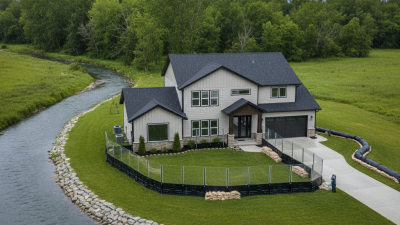
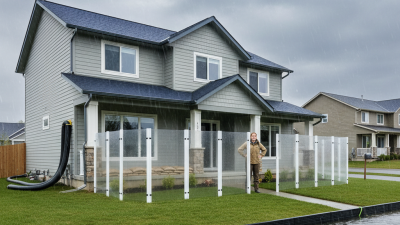
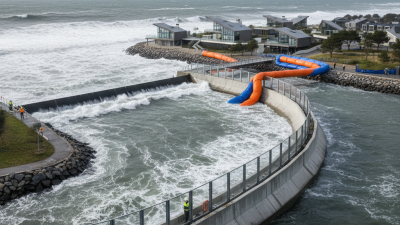
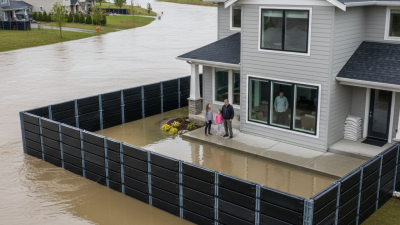
Flooding is a growing concern for homeowners worldwide. According to expert Dr. Emily Mason, "Effective flood protection barriers can significantly mitigate water damage." Homeowners are increasingly seeking solutions to protect their properties. Flood protection barriers come in various forms, tailored to different needs and locations. These barriers can range from simple sandbags to advanced inflatable systems.
Choosing the right flood protection barriers can be overwhelming. Factors such as landscape, flood risk, and budget must be considered. Many homeowners struggle to find a perfect solution. It is essential to evaluate each option carefully. Some barriers may offer quick deployment but lack durability. Others are strong yet may require professional installation. Finding a balance between effectiveness and ease of use can be challenging.
Homeowners often overlook maintenance requirements for flood protection barriers. Regular inspections are needed to ensure functionality when emergencies strike. Investing in quality barriers can save homeowners significant repair costs in the long run. As flooding events become more frequent, understanding these solutions is crucial for safeguarding homes.
When considering flood protection barriers for your home, several types stand out. These barriers can significantly reduce damage during a flood event. One common option is the sandbag barrier. Sandbags can be filled with soil or sand and stacked to create a temporary wall. Although effective, they require careful placement and can be labor-intensive.
Another interesting solution is the inflatable barrier. These barriers are lightweight and easy to deploy. They can be inflated quickly to create a barrier against rising water. However, they may have limitations in strong currents. Homeowners should also consider permanent and removable barriers. Permanent ones offer lasting protection but can be costly and take time to install.
Using a combination of these barriers may be beneficial. Each type comes with its own set of challenges. For instance, sandbags require time to set up. Inflatable barriers may not hold up in severe floods. Reflecting on these options helps ensure adequate preparation. Proper planning is essential to safeguard your home against flooding.
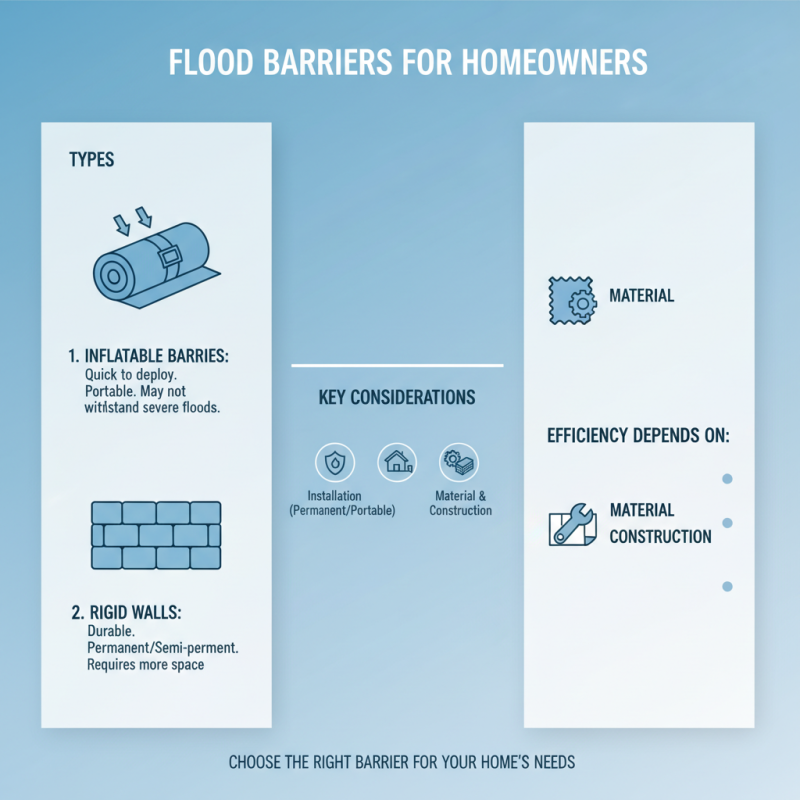
When evaluating the effectiveness of flood barriers, homeowners must consider various types. Each barrier offers unique features. Some are designed for permanent installation, while others are portable. The efficiency of these barriers largely depends on their material and construction. Common options include inflatable barriers and rigid walls. Inflatable barriers can be deployed quickly, yet they may not withstand severe flood conditions. Rigid barriers often offer better durability but require more space.
Installation is another critical factor. Homeowners should assess their property layout. Barriers need proper placement to be effective. If barriers are not correctly positioned, floodwaters can easily bypass them. Some systems may require professional installation, adding costs that homeowners must weigh. Continuous maintenance is essential, too. Dirt and debris can compromise a barrier's effectiveness.
Moreover, assessing local flood risks is crucial. Many homeowners overlook this aspect. Just because a barrier is available doesn’t mean it will suit every need. One area may flood differently than another. Seasonally changing conditions can alter a barrier's performance. Homeowners must regularly review their flood protection strategies.
When selecting flood barriers, several crucial factors come into play. The effectiveness of a barrier often hinges on its design and materials. According to a report by the National Flood Insurance Program, over 90% of flood damage in residential areas results from inadequate barriers. Homeowners should ensure that the chosen barrier can withstand expected water levels and is resistant to corrosion.
Durability is also vital. Materials such as aluminum, fiberglass, and heavy-duty plastics offer varied levels of resilience. Choosing a barrier that requires minimal maintenance can save homeowners time and money in the long run. Statistics show that 30% of homeowners overlook the importance of proper installation. This mistake can compromise even the best barrier's efficacy.
Another consideration is ease of deployment. Some barriers come as temporary solutions, like inflatable options, while others are permanent fixtures. Understanding these differences is essential for effective flood management. Additionally, aesthetics might play a role in some homeowners' choices, yet overlooking functionality can lead to dire consequences when flooding occurs. Prioritizing water resistance over appearance can prevent future regrets.
This chart illustrates the effectiveness and cost of various flood protection barriers commonly available to homeowners. The data represents the average cost (in USD) and effectiveness rating (on a scale of 1 to 10) of each barrier type.
When installing flood protection systems, homeowners should consider a few critical aspects. Choose a barrier that suits your property type and local flood risk. For instance, some homeowners may opt for temporary barriers that can be set up quickly. Others might prefer permanent solutions like levees and floodwalls. Ensure the materials used are durable and resistant to water damage.
Maintenance plays a crucial role in the effectiveness of flood barriers. Regularly inspect and clean barriers to remove debris. This is essential to prevent blockages during heavy rainfall. Homeowners sometimes overlook minor repairs, which can lead to bigger issues. Check seals and joints for wear and tear. Make necessary repairs immediately.
Moreover, homeowners should assess their flood risk periodically. Natural changes can alter flooding patterns over time. It’s essential to label your flood barrier clearly, showing how to use it in an emergency. Sometimes, the weight of a barrier can be misleading. Proper training on installation and maintenance can help avoid potentially damaging mistakes. Taking these steps may not eliminate flood risk, but they significantly reduce potential damage.
| Barrier Type | Effectiveness | Installation Cost | Maintenance Level | Lifespan |
|---|---|---|---|---|
| Sandbags | Moderate | Low ($50 - $100) | Low | 1-3 months |
| Inflatable Barriers | High | Medium ($200 - $500) | Medium | 5-10 years |
| Permanent Flood Barriers | Very High | High ($5,000 - $20,000) | Low | 50+ years |
| Portable Flood Barriers | High | Medium ($500 - $1,500) | Medium | 10-20 years |
| Flood Gates | Very High | High ($1,500 - $5,000) | Medium | 30+ years |
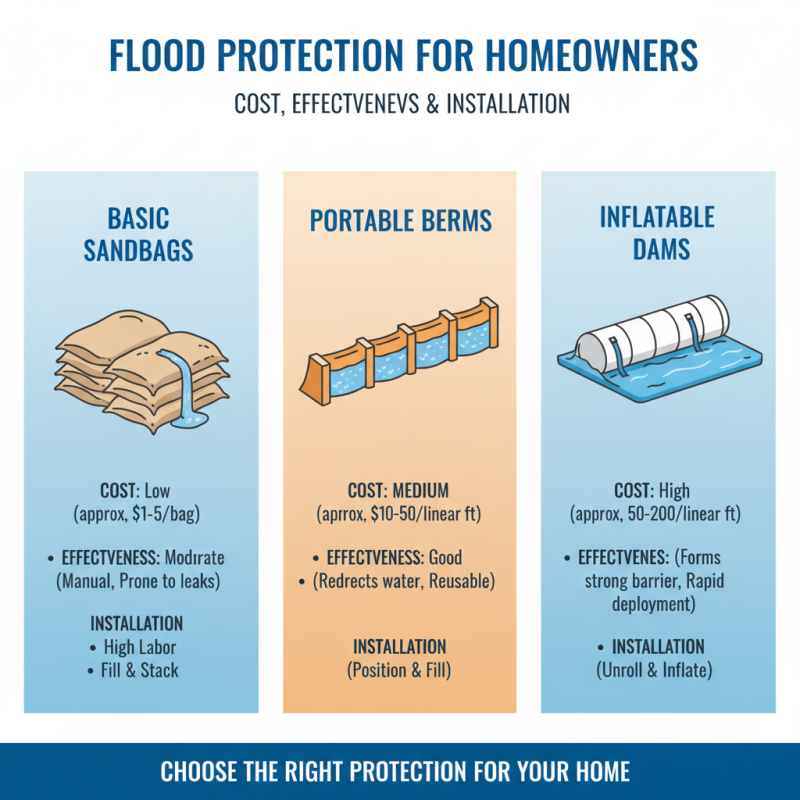
Flood protection barriers can vary in cost, effectiveness, and installation. Homeowners often face tough decisions regarding which barriers to choose. Basic sandbags might be the cheapest option. However, they require manual labor and can leak. More advanced barriers, like inflatable dams, tend to cost more but offer better protection.
When analyzing costs, it's crucial to factor in potential damage threats. Homeowners should consider the value of their properties and the cost of repairs after flooding. Investing in a reliable barrier could save thousands in restoration fees. However, some homeowners might hesitate to invest upfront. Reflecting on the long-term benefits helps.
**Tip:** Research local emergency services for useful advice. They can guide you on the best solutions for your area. Also, consider collaborating with neighbors. Sharing costs for bulk purchases might lead to overall savings. Taking preventive measures now can be less costly compared to future losses.
Please enter the details to download, thank you
Get in Touch With Us
Please enter the details to download, thank you