Top Removable Flood Barriers for Doors Which Is Best?
When floodwater reaches a doorway, a few centimeters can damage flooring, wiring, furniture, and family belongings. That is why choosing among removable flood barriers for doors requires more than comparing prices or advertised heights. The best solution must match the doorway, flood depth, installation time, storage space, and the building’s construction.
Dr. Ilan Kelman, a disaster-risk researcher, offers a useful warning: “Flood disasters happen when hazards meet vulnerability.” His point matters here. A barrier may look strong in a product photograph, yet perform poorly against uneven thresholds, side pressure, or careless installation. Small gaps can become serious leaks. Rubber seals can age. A heavy panel may protect well but remain difficult for one person to handle.
This guide examines practical barrier types, including water-filled tubes, sliding panels, doorway shields, and modular systems. It considers sealing performance, setup effort, reusability, portability, maintenance, and manufacturer testing. Real homes are rarely perfect. Doorsteps slope. Walls move slightly. Storage rooms become crowded. Those details can change the final choice.
No barrier removes every flood risk.
That limitation deserves attention.
The most expensive option is not automatically the safest. A lower-cost system may work effectively when the opening is simple and floods are shallow. However, uncertain measurements or repeated exposure may justify a more engineered design. The following comparison aims to clarify those trade-offs, while recognizing one uncomfortable truth: even a carefully selected barrier can fail when water levels, debris, or installation conditions exceed expectations.
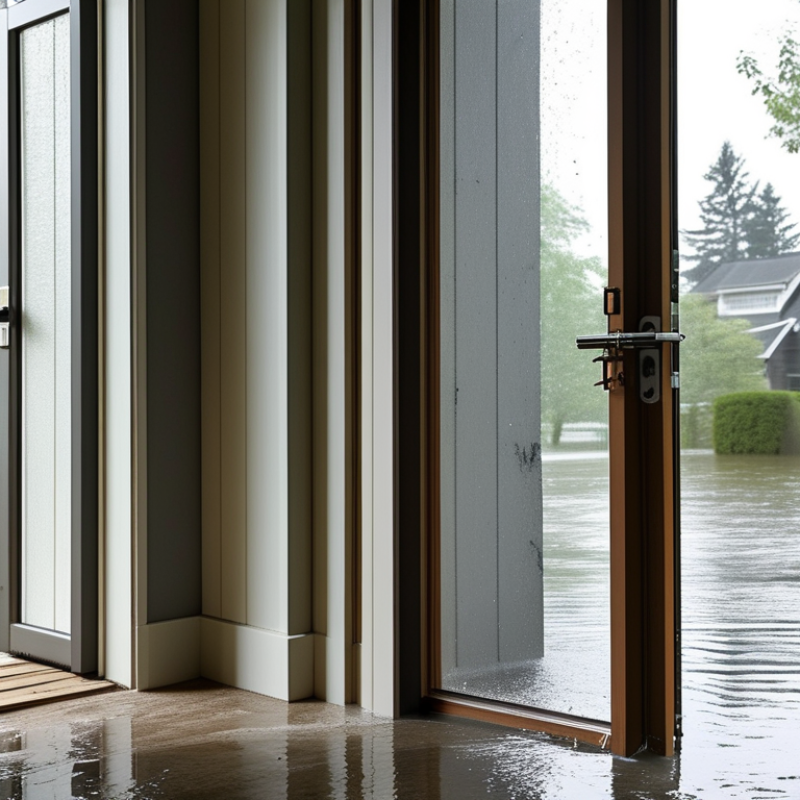
Types of Removable Flood Barriers for Doorways
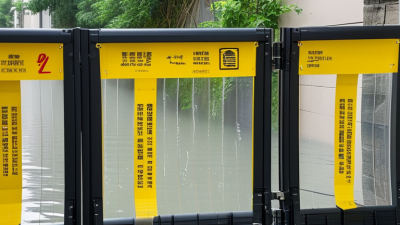
Removable flood barriers for doorways come in several practical forms. Slot-in panel systems use side channels fixed beside the frame. Their aluminum or composite panels lift out after flood season. They work well on straight, solid openings with enough wall strength. Fit matters. A small gap near the threshold can admit surprising amounts of water.
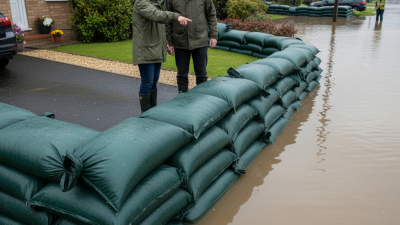
Hinged or folding barriers suit entrances that need frequent access. They can swing aside during normal use, then lock across the doorway before heavy rain. Inflatable barriers are lighter and easier to store. They need careful inflation and a clean, dry contact surface. Water-filled tubes offer another temporary option, especially for wide openings. However, they require storage space and may shift on uneven paving. Not every doorway agrees.
In my experience, the most dependable choice depends on threshold height, surface condition, expected water depth, and installation time. Measure the opening at several points, because older frames are rarely perfectly square. Check seals for compression, then inspect corners and fixing points. Test it wet. A dry installation can hide leaks around rough masonry. Removable systems also need regular practice, since hurried deployment during a storm often causes mistakes. Read the installation guidance, follow local flood advice, and replace damaged seals promptly. One weakness remains: even a well-fitted barrier cannot protect against water entering through walls, drains, or nearby ground.
Top Removable Flood Barriers for Doors: Which Type Is Best?
Typical nominal protection heights for common removable doorway flood-barrier systems
Typical heights are shown as representative midpoints of commonly available ranges: aluminum panel systems
approximately 30–90 cm, stop-log systems 30–120 cm, inflatable barriers 20–60 cm, and water-filled tubes
20–40 cm. Actual performance depends on opening width, anchoring, sealing, water pressure, ground conditions,
and correct installation. Rigid panel and stop-log systems generally provide greater height, while inflatable
and water-filled barriers are easier to deploy and store.
How Removable Door Flood Barriers Work
Top Removable Flood Barriers for Doors: Which Is Best?
How Removable Door Flood Barriers Work
Removable door flood barriers usually combine side posts, horizontal panels, and flexible seals. The posts attach to the wall on both sides of the doorway. Panels then slide or lock between them, creating a temporary water-resistant wall. Rubber seals press against the floor and frame. This pressure reduces leakage when water rises outside the entrance.
A reliable system depends on accurate measurements. The opening width, threshold height, wall strength, and surface condition all matter. Installers should check whether the floor is level and free from cracks. Even a small gap can become a fast leak during heavy rainfall. Some barriers use mechanical clamps, while others depend on guided channels and compression seals. Both designs need firm contact with the doorway.
Keep the panels accessible.
Before severe weather, remove dirt from the tracks and inspect the seals for cuts or hardening. Practice fitting the barrier when the doorway is dry. This exposes awkward steps, missing hardware, or poor storage choices. I have found that users often trust the barrier but neglect the surrounding wall. Water may travel around weak masonry or beneath an uneven threshold.
No removable barrier is completely waterproof. It slows or redirects water within its tested height and pressure limits. Select a system based on local flood depth, installation time, and the building’s structure. A professional assessment is worthwhile when flooding is frequent or the doorway has unusual dimensions.
Key Features for Comparing Flood Barrier Options
Top Removable Flood Barriers for Doors Which Is Best?
Key Features for Comparing Flood Barrier Options
Choosing a removable flood barrier requires more than checking its advertised height. Measure the doorway, threshold, frame, and nearby walls first. A barrier must fit tightly without blocking the door’s normal movement. Look for durable panels, compression seals, and secure side channels. Seals should remain flexible after repeated use. A stiff seal may leave a narrow but damaging gap.
Installation time matters during heavy rain. In practical checks, barriers requiring several tools can create dangerous delays. Choose a system that one person can position confidently, even with wet hands. Clear visual indicators help confirm proper locking. However, “tool-free” does not always mean effortless. Some designs still need accurate alignment and regular adjustment.
Compare tested water resistance, expected flood depth, and pressure tolerance. Independent test documents are more useful than vague performance claims. Check whether the barrier works with uneven floors, outward-opening doors, or emergency access plans. Storage also deserves attention. Panels should stay dry, clean, and easy to inspect before each season. Replace damaged seals promptly. Do not rely on a removable barrier as the only protection for deep or fast-moving water. I once underestimated a small floor slope during a comparison, and the result showed how quickly confidence can exceed evidence. Real conditions are less forgiving.
Installation, Removal, and Storage Considerations
Top Removable Flood Barriers for Doors: Which Is Best?
A removable flood barrier is only as reliable as its installation. For most doors, the best option has a rigid panel, compressible seals, and secure side channels. Measure the doorway at several points, because older frames may not be perfectly square. Clean the sill before fitting the barrier. Even small grit can create a leak path. Follow the manufacturer’s pressure sequence, but do not over-tighten fasteners. Excess force may bend the frame or damage the seal.
Removal should happen after floodwater has fully receded and pressure has equalized. Releasing clamps too early can make the panel difficult to control. Lift it with both hands, then inspect seals for flattening, cuts, or trapped mud. Let every part dry completely before storage. Store panels flat or upright in a protected area, away from sunlight, heat, and heavy objects. Plastic parts can warp. Metal parts can corrode.
Tips:
Photograph the installed barrier before removal. Label each channel and fastener. Keep seals in a clean bag. Test-fit the system before the wet season. A dry trial often reveals awkward gaps. No barrier is perfect, and I would recheck the doorway after every major repair or renovation. Overlooking that step is an easy mistake.
Choosing the Best Flood Barrier for Your Doorway
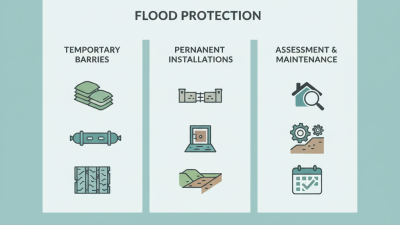
Choosing the best flood barrier for your doorway starts with the opening, not the product label. Measure the clear width, threshold height, nearby walls, and floor slope. A removable panel system may suit a flat, rigid threshold, while a modular system can handle wider entrances. Inflatable barriers are easier to store, but punctures and uneven pressure deserve careful attention. The best choice is the one that seals consistently after installation.
FEMA reports that one inch of floodwater can cause about $25,000 in damage to an average home.
NOAA also recorded 28 billion-dollar weather and climate disasters in the United States during 2023.
These figures make doorway protection more than a convenience. Look for tested water resistance, strong side seals, quick release, and clear installation instructions. A barrier that needs tools during rising water may be poorly matched to real emergencies.
Test the barrier before storm season. Hose water is useful, but it cannot copy fast-moving floodwater or debris. Check whether the seal compresses evenly and whether the door can still open safely from inside. I would not trust a barrier solely because it feels heavy. Weight is not the same as stability. Even a well-designed product can fail when the threshold is cracked, dirty, or uneven. That limitation is easy to overlook. Inspect it every few months, replace worn seals, and record the setup time for everyone in the household.