How to Choose Temporary Water Barriers for Your Project?

Choosing the right temporary water barriers is crucial for any construction or landscape project. These barriers prevent flooding and protect valuable assets. According to John Smith, an expert in water management, “Selecting the right temporary water barriers can make or break a project.” His insight emphasizes the importance of informed decision-making.

Understanding the specific needs of your project is vital. Temporary water barriers come in various shapes and sizes. Factors like the type of site, water volume, and project duration should influence your choice. There’s no one-size-fits-all solution. Many projects face challenges in effectively managing water flow, which can lead to costly setbacks.

Assessing the reliability and durability of different barriers is equally important. Some products may look appealing but fall short under pressure. A thoughtful evaluation of materials and reliability will pay off. It is essential to consider manufacturer reputation and warranty offerings. Rushed decisions can lead to failures in protection. Careful planning and selection will bolster your project's success.
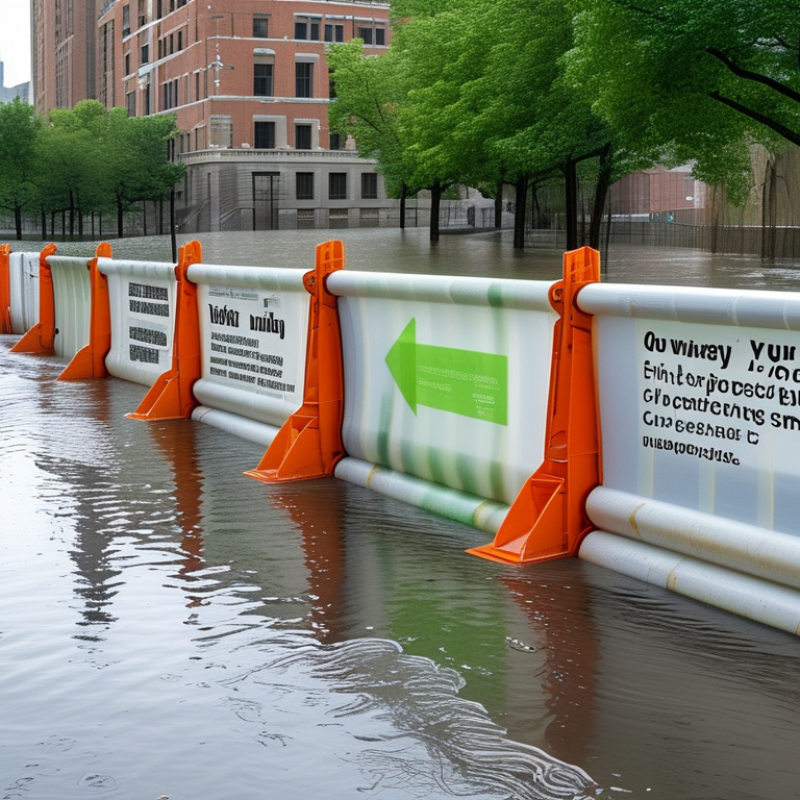
How to Choose Temporary Water Barriers for Your Project?

Understanding the Basics of Temporary Water Barriers

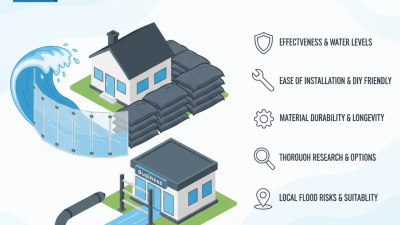
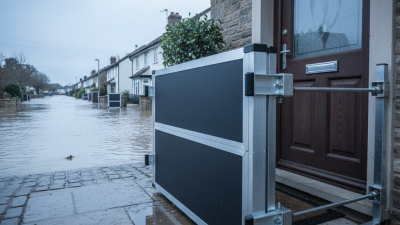
When choosing temporary water barriers, it helps to understand their basics to ensure your project's success. These barriers are designed to redirect, control, or stop water flow. They come in various types, including sandbags, inflatable barriers, and composite materials. Each type has its unique strengths and weaknesses.

Consider the environment where the barrier will be placed. Is the ground stable? Are there heavy rains or flooding anticipated? Choosing the right barrier requires assessing location-specific risks. Sandbags are affordable but can be labor-intensive. Inflatable barriers can be set up quickly but may be costly. Your choice should reflect project needs and available resources.

Tips: Always test your selected barrier in a small area before full deployment. Ensure it meets your requirements under realistic conditions. Regularly check the barriers during their use. This can prevent failures and costly damages. In emergency situations, don’t hesitate to adapt and rethink your initial plans. Flexibility can save time and resources.
Factors to Consider When Selecting Temporary Water Barriers

When selecting temporary water barriers for your project, several crucial factors come into play. Understanding the specific environmental conditions is essential. Recent reports indicate that projects in flood-prone areas often benefit from barriers rated for higher water pressure. For instance, barriers capable of withstanding at least 3 feet of water can significantly reduce flood risks in vulnerable zones.

Material choice is another key consideration. Some barriers are made of heavy-duty PVC, while others utilize inflatable technologies. Each material exhibits unique strengths and weaknesses. Studies show that barriers made from high-density polyethylene provide both durability and flexibility. However, these may not always be the most effective for tight spaces.

Installation and maintenance costs should also feature in your evaluation. Some barriers offer easy deployment, requiring minimal labor. Conversely, other systems may entail extensive setup and ongoing upkeep, which can inflate costs unexpectedly. It’s crucial to assess your project’s timeline and budget limits. Every project is distinct, and what worked previously may not be suitable now. Thus, adaptability and thorough research are essential for success.

How to Choose Temporary Water Barriers for Your Project?

Factor Description Importance Level Recommended Solutions
Height Choose a barrier height that can effectively manage potential flooding levels. High Inflatable barriers, steel plates
Material Select durable materials that can withstand water pressure and environmental elements. Medium HDPE, PVC, sandbags
Installation Time Consider how quickly the barriers need to be set up in response to flooding conditions. High Prefabricated systems, quick-deploy barriers
Portability Choose barriers that can be easily transported to different locations. Medium Foldable barriers, lightweight materials
Cost Assess the overall cost-effectiveness of the barriers in relation to your budget. High Renting, bulk purchasing

Types of Temporary Water Barriers and Their Applications

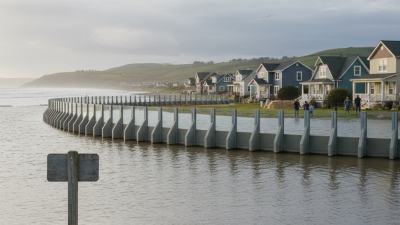
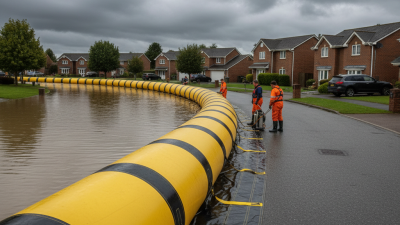
When selecting temporary water barriers for a project, understanding the different types available is crucial. There are various barriers, each designed for specific applications. For example, inflatable dams are ideal for larger areas where quick deployment is necessary. They can hold back significant water volumes. In contrast, sandbags offer a more manageable solution for smaller, localized flooding. However, they require careful stacking to ensure effectiveness.

Consider the construction site conditions when choosing the type of barrier. Hard surfaces may necessitate more robust options. In contrast, flexible barriers work well on uneven terrain. Always assess the expected water flow and the site's vulnerability to flooding. Environmental factors, like weather and soil conditions, also play a role in this choice.

Tips: Evaluate the installation process for each option. Some barriers might require special tools or training, increasing project complexity. Also, think about long-term use. Some materials can degrade quickly. Regular checks and maintenance are vital to ensure reliability. Reflect on potential challenges during deployment, as they can impact the effectiveness of the barriers.

Assessing Site Conditions for Effective Barrier Installation

Assessing site conditions is crucial before installing temporary water barriers. Understanding the terrain, weather patterns, and water flow is essential. According to industry reports, about 30% of installation failures occur due to inadequate site assessments. This highlights the importance of a thorough inspection.

Begin by analyzing topography. Terrain can significantly affect water movement and accumulation. Flat areas may retain water, while slopes can channel it. Soil composition also matters. Sandy soils drain quickly, while clayey soils retain moisture. These insights help determine the right barrier placement and material.

Weather forecasting is another vital factor. Frequent rain can overwhelm barriers. Local weather data can reveal patterns. Studies show that projects with accurate weather assessments reduce flood risks by 25%. Lack of such insights may lead to unexpected site challenges. Evaluating these elements ensures effective installation and long-term barrier performance.

Cost Analysis and Budgeting for Temporary Water Barriers

When planning a project that requires temporary water barriers, understanding cost is essential. These barriers can range from simple sandbags to more advanced systems like inflatable dams. Each type comes with varying price tags, which can greatly impact your budget. For instance, while sandbags are cheaper, they require more workforce and time to set up. In contrast, inflatable options offer easier installation but at a higher expense.

Budgeting for temporary barriers requires a detailed analysis of your project's needs. Consider the duration of use and the environment. Will they be exposed to heavy rainfall or strong currents? These factors can affect both the initial investment and ongoing maintenance costs. Consulting with industry experts may help clarify potential expenses and ensure that you choose the right solution without overspending.

Reflecting on past projects can provide valuable insights. Consider the effectiveness of previous barriers used. Did they adequately handle water flow? Were there unforeseen costs? This information can inform your current budget and choices. Make a list of potential issues you may encounter. Planning for the unexpected can prevent financial strain later in your project.

Cost Analysis for Temporary Water Barriers