How to Choose the Right Electrical Switchgear Box?
Choosing the right Electrical Switchgear Box begins with understanding the site, not browsing attractive product photos. A workshop, data room, and outdoor substation demand different protection levels. Dust, moisture, heat, vibration, and limited space can quickly expose a poor selection. The box must protect people, cables, breakers, and connected equipment during normal operation and abnormal faults.
Experienced engineers usually examine enclosure material, ingress protection, short-circuit withstand, insulation, ventilation, and access arrangements. Steel may provide strong mechanical protection, while stainless steel suits corrosive environments. A sealed enclosure can resist moisture, but trapped heat may reduce component life. That trade-off is easy to overlook. Measure the installation area carefully, including cable bends, gland plates, and future expansion space. A box that fits today may become difficult to service tomorrow.
Reliable selection also requires checking manufacturer documentation, test reports, ratings, and applicable regional requirements. Do not rely only on a sales description. Ask whether the assembly was tested as a complete system, rather than treating each component separately. During inspections, technicians should find clear labels, secure terminals, adequate earthing, and enough working clearance. Small details matter.
A perfect choice does not exist. Real projects involve budget limits, delivery pressure, and incomplete information. Still, a careful comparison reduces avoidable risk. This guide explains how to match an Electrical Switchgear Box with its environment, load, maintenance plan, and long-term operating demands. It also highlights common assumptions that deserve a second look.
What Is an Electrical Switchgear Box and Why Does It Matter?
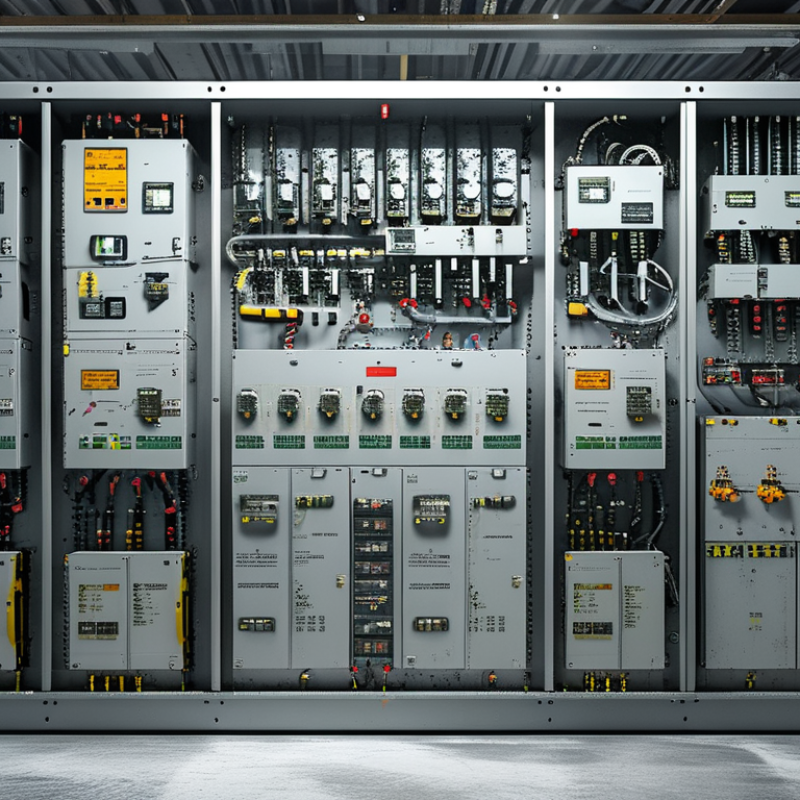
An electrical switchgear box is an enclosure that houses devices controlling, protecting, and isolating electrical circuits. Inside, you may find circuit breakers, disconnectors, busbars, meters, and protective relays. These components manage current safely during normal operation and faults. In a plant room, a reliable box can prevent a small wiring problem from becoming equipment damage or a serious shutdown. It also protects internal parts from dust, moisture, accidental contact, and mechanical impact. That protection matters every day.
Choosing the right box requires more than checking its size. Consider the system voltage, available fault current, heat buildup, cable entry, and installation environment. An outdoor enclosure may need stronger sealing and corrosion resistance. A crowded box can create hot spots, even when every component is correctly rated. I have seen tidy installations fail because ventilation and future cable space were overlooked. That is an uncomfortable lesson. Always verify ratings against local electrical codes and the project’s protection study. A qualified electrical professional should review the final design.
Tips: Measure twice. Leave practical working space. Check the enclosure rating, grounding path, door clearance, and maintenance access. Do not select a box only because it fits the wall. The box must fit the electrical duty.
How to Assess Voltage, Current, and Fault-Clearing Requirements
How to Choose the Right Electrical Switchgear Box?
Selecting a switchgear box starts with the system voltage, not the box size. Confirm the nominal voltage and the highest expected operating voltage. Check insulation levels against switching surges and lightning-related transients. A small voltage mismatch can create serious insulation stress.
Current assessment needs more than the nameplate load. Calculate the continuous current for motors, heaters, lighting, and future circuits. Include starting current, inrush, ambient temperature, and enclosure derating. Conductors and busbars must carry the load without excessive heating. Leave practical space for terminals and cable bending. Crowded wiring causes avoidable maintenance problems.
Fault-clearing requirements demand careful coordination. Obtain the available short-circuit current at the installation point. Then compare it with the switchgear’s short-circuit withstand and interrupting ratings. The protective device must clear the fault within its approved capability and expected time. Check upstream and downstream coordination, because a poorly selected breaker can disconnect more equipment than necessary. Arc-flash boundaries and access controls also deserve review.
Do not rely on a convenient catalog value. A clean calculation may still miss transformer impedance, generator contribution, or future expansion. Verify the utility data and confirm field conditions before ordering. When information is uncertain, document the assumption and reassess it with a qualified electrical engineer. That small pause can prevent an expensive replacement.
Which Switchgear Box Types Fit Different Electrical Systems?
Choosing the right switchgear box starts with the electrical system, not the enclosure’s appearance. A small office may need a low-voltage, fixed-mounted assembly for feeders, lighting, and molded-case breakers. A factory with large motors needs stronger busbar bracing and higher short-circuit withstand ratings. IEC 61439 provides verification rules for low-voltage assemblies. Medium-voltage networks require metal-enclosed switchgear tested under IEC 62271-200. That difference is practical.
For substations, outdoor metal-enclosed gear suits weather-exposed feeders when corrosion control and enclosure ratings are adequate. Gas-insulated switchgear fits crowded urban sites, tunnels, and industrial rooms where floor space is expensive. It costs more and demands disciplined installation and leak management. For renewable plants, modular medium-voltage units can connect collection circuits, transformers, and protection relays. The IEA’s Renewables 2024 report forecasts nearly 5,500 GW of new renewable capacity by 2030. That growth makes expandability more than a design preference.
Selection should follow fault current, voltage, altitude, humidity, maintenance access, and future load data. IEEE 1584-2018 supports arc-flash hazard calculations, but it does not replace site-specific engineering judgment. NFPA 70 requires equipment to match available fault current and installation conditions. Field reviews sometimes reveal compact boxes chosen too early. The result is cramped cable space and awkward testing. Leave measurable room for heat dissipation, isolation, and safe working clearance. No box fits every system.
How to Choose the Right Electrical Switchgear Box?
Typical switchgear box types matched with representative electrical system voltage levels.
Low-voltage assemblies are commonly used around 0.4 kV, while metal-enclosed medium-voltage switchgear is frequently applied on 6.6–13.8 kV systems. Gas-insulated switchgear is selected where compact construction and environmental protection are important, and air-insulated switchgear is commonly used in higher-voltage substations. Final selection should follow the system voltage, short-circuit rating, installation environment, protection requirements, and applicable IEC 61439 or IEC 62271 standards.
How to Compare Enclosure Materials, Protection Ratings, and Features
How to Choose the Right Electrical Switchgear Box?
When comparing enclosure materials, start with the installation environment, not appearance. Painted carbon steel suits many indoor panels and offers practical strength. Stainless steel handles moisture, cleaning, and corrosive locations more effectively. Polycarbonate can reduce weight and resist many chemicals, but heat and impact limits need checking. Measure twice.
In field inspections, small material assumptions often create expensive problems. A bright finish does not prove outdoor durability. Check the coating system, UV resistance, temperature range, and corrosion exposure. A stainless enclosure is not automatically suitable for every chemical area. The enclosure and cable glands must work as one sealed system.
Protection ratings also deserve careful comparison. An IP rating indicates resistance to solids and water under defined test conditions. It does not confirm impact strength, chemical resistance, or long-term outdoor performance. Match the rating to actual risks, including washdown spray, dust, condensation, and cable entry points. Small gaps matter. Consider hinges, locks, mounting plates, grounding points, drainage, and thermal management. A fan may improve cooling, yet it can weaken protection if poorly filtered. Review the complete assembly against applicable local standards and the switchgear manufacturer’s installation requirements. My early selections focused too heavily on the box rating; later reviews showed that door alignment and installation quality were equally important.
How to Verify Standards, Installation Needs, and Long-Term Maintenance
Choosing the right electrical switchgear box starts with standards, not appearance.
IEC 61439 requires documented design verification for low-voltage assemblies, including temperature rise, short-circuit strength, and protection. For outdoor locations, IEC 60529’s IP rating should match dust, water, and cleaning exposure. A coastal enclosure needs more than a convenient catalog rating.
Installation conditions matter just as much. Check available fault current, cable bending space, ventilation, working clearance, and future circuit capacity. The IEA’s 2023 Electricity Grids report estimates annual grid investment must exceed 1 trillion dollars by 2030. That pressure makes adaptable equipment increasingly valuable.
Yet larger is not always safer. An oversized box can restrict access and complicate heat management. Field inspection teams often find missing gland plates, poor labeling, or cables sharply bent at entry points. Small details become expensive problems.
Maintenance planning should be verified before purchase. NFPA 70B, the 2023 Standard for Electrical Equipment Maintenance, emphasizes documented, condition-based maintenance programs. Request test access, spare-part information, torque requirements, and cleaning instructions. IEEE 1584 methods can support arc-flash assessment where applicable.
Keep inspection records with thermal images, insulation results, and torque checks. A useful warning: maintenance schedules are often copied without reviewing dust, humidity, load changes, or corrosion. That shortcut deserves reconsideration. A box that passes commissioning may still fail its environment years later.
