How to Choose the Right Flood Pump for Your Needs?

Choosing the right flood pump can greatly impact your flood management efforts. Various factors affect the effectiveness of a flood pump. You need to consider your specific needs carefully.

Flood pumps come in different types and sizes. Each has unique features suited for various environments. An understanding of your property’s requirements will streamline your choice. Do you live in a low-lying area? If so, a more powerful pump might be necessary.

It's essential to assess water volume and flow rate needs. Some pumps are lightweight and portable, perfect for emergencies. Others are more robust and suited for prolonged use. Remember, making the right choice today can prevent problems later. If you pick poorly, you might face water damage even with a pump on hand. Evaluating your options and reflecting on past experiences can guide you effectively.
How to Choose the Right Flood Pump for Your Needs?

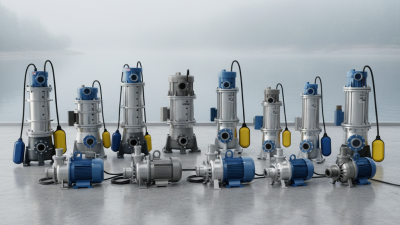
Understanding the Types of Flood Pumps Available on the Market

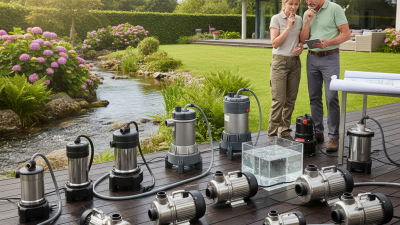
Flood pumps come in various types, each designed for specific needs. Knowing these types can help you make a better choice. For example, submersible pumps operate underwater. They are efficient for removing water from flooded basements. However, they may not perform well with debris. If your area has a lot of sediment, this might not be the right choice.

Then there are utility pumps. These are versatile and can be used for draining water from pools or ponds. They can handle some solids but are not as powerful as other pumps. Keep in mind that utility pumps are usually not designed for continuous use. This can lead to overheating if used for extended periods.

Additionally, there are sump pumps. Ideal for homes in flood-prone areas, they prevent water from accumulating in basements. These pumps serve a vital role but can be costly to install and maintain. You may face a decision on whether to go with a battery backup option or a primary powered one. Each option has its drawbacks, like the lifespan of batteries versus reliance on electricity during storms. Choose wisely based on your situation.

How to Choose the Right Flood Pump for Your Needs?

Pump Type Best Use Case Flow Rate (GPM) Maximum Head (ft) Power Source
Submersible Pump Residential basement flooding 30-80 15-25 Electric
Pedestal Pump Heavy-duty, large capacity 50-120 25-35 Electric
Trash Pump Construction site debris 40-100 20-30 Gasoline
Utility Pump General water removal 20-50 10-15 Electric

Evaluating Pump Capacity and Power Requirements for Your Situation

Choosing the right flood pump starts with understanding your capacity needs. Assess the area you need to drain. Measure the depth and the volume of the water. Consider the nature of the flooding. Is it from heavy rain, a broken pipe, or another source? Each situation may require different specifications.

Power requirements are just as critical. The pump should be strong enough to handle the volume of water efficiently. Check the pump’s horsepower. A unit with low horsepower might struggle in larger spaces. But, a pump that's too powerful can waste energy. Think about how long you expect to use the pump. Long durations can increase costs.

Consider the environment where the pump will operate. Some areas have specific electricity supply or connectors. Do you have enough access to power? Also, ponder if the pump needs a backup system. Inconsistent flooding may require a more reliable solution. It’s essential to reflect on these factors before making a final choice.

Identifying Key Features to Look for in a Flood Pump

How to Choose the Right Flood Pump for Your Needs?

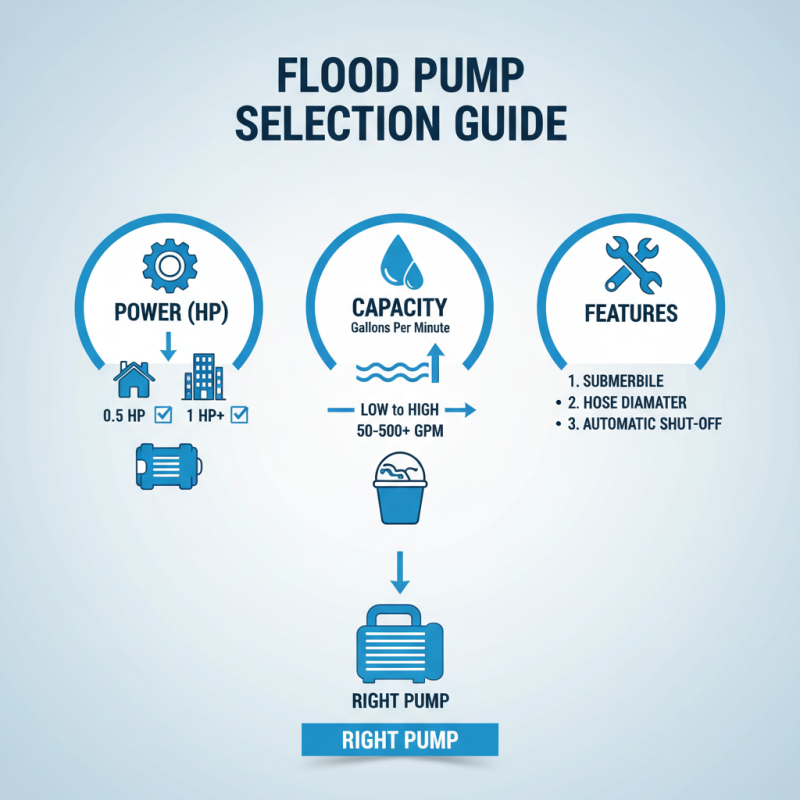
Choosing the right flood pump requires careful consideration of key features. Power and capacity are crucial. A pump's horsepower determines how effectively it can move water. For smaller areas, a 0.5 HP pump may suffice. Larger flood-prone spaces often need 1 HP or more.

Additionally, look for a pump with a solid build. Materials like stainless steel can resist corrosion. Make sure the pump has a reliable float switch. This feature automates operation, preventing overflow when water levels rise. Some models even have alarms that signal when water is detected.

Don’t forget about portability if you need to move the pump often. Weight matters a lot here. A lightweight model can save time and energy. Yet, consider the trade-off between weight and durability. It's not unusual to overlook these details in the buying process. Reflect on your specific needs before making a choice.

Considering Budget and Maintenance Factors When Choosing a Pump

When selecting a flood pump, considering your budget and maintenance factors is crucial. Pumps come at various price points. A lower-cost pump may save money upfront but could cost more in repairs later. Assessing how much you can invest initially will help narrow your options.

Tips: Look for user reviews. They often indicate long-term reliability. A well-rated pump might be worth a higher price.

Maintenance is another critical aspect. Some pumps require regular upkeep, while others are more user-friendly. A pump with minimal maintenance can save time and hassle. However, be wary; less maintenance doesn't always mean better quality. Regular checks can prevent costly malfunctions.

Tips: Opt for pumps with accessible parts. Ease of repair can make a huge difference. Avoid complicated models unless you have technical knowledge.

Think about replacement costs too. Invest wisely to avoid recurrent expenses. Sometimes, choosing the cheapest option leads to regret down the line. Building a balance between cost and performance is essential.

Assessing Manufacturer Reputation and Warranty Options

When selecting a flood pump, evaluating the manufacturer's reputation is essential. A reputable manufacturer often indicates a commitment to quality. Look for companies with a history of durable pumps and satisfied customers. Check online reviews and ratings. Social media can also provide insights into user experiences. Pay attention to common praises or complaints, as these can reveal potential problems or benefits.

Warranty options are also crucial in the decision-making process. A strong warranty reflects confidence in the product. Some manufacturers offer several years of coverage. This can protect your investment and provide peace of mind. Compare the warranty terms carefully. Some may exclude certain parts or conditions. Understanding the nuances is vital before purchasing.

It’s normal to have doubts about your choice. The vast array of options can be overwhelming. Take the time to reflect on your specific needs and priorities. A flood pump is an important investment, and it should serve you well for years. Consider consulting with professionals for further guidance. They can help clarify your options and ease uncertainty. This thoughtful approach can lead you to the right decision.