
A Curved Glass Cooler is a commercial refrigeration unit designed to display chilled drinks, dairy products, desserts, and ready-to-eat foods. Its rounded front glass improves product visibility while creating a clean, inviting presentation. Customers can see shelves clearly without opening a door. That small difference matters.
The cooler works through a familiar refrigeration cycle. A compressor pushes refrigerant through the system, where heat moves away from the storage cabinet. The evaporator absorbs warmth from the interior air. A condenser then releases that heat outside the unit. Fans circulate cold air across each shelf, helping maintain a stable temperature. Many models use heated or treated glass to reduce fogging and condensation. Without that feature, a busy shop can quickly lose visibility during humid weather.
In practical use, performance depends on more than the compressor. Door alignment, airflow, product spacing, and regular cleaning all affect cooling consistency. A crowded shelf can block circulation. Dust around the condenser can also increase energy use. I have found that clear glass often encourages better merchandising, but it can expose poor maintenance immediately. That is worth remembering. Temperature checks should follow the manufacturer’s guidance, and food businesses should verify local safety requirements before operation. Curved glass looks elegant, yet its value comes from dependable cooling, efficient air movement, and disciplined daily care. Some designs perform better than others. Comparing insulation, energy ratings, temperature control, and service support remains essential before purchase.
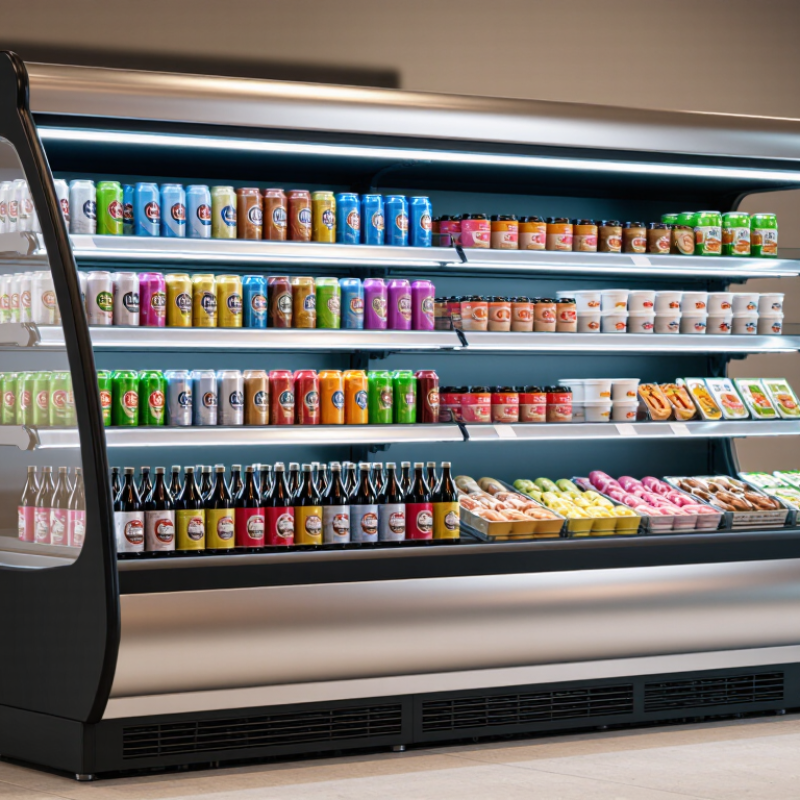
A curved glass cooler is a refrigerated display cabinet with a bow-shaped front panel. It stores chilled drinks, dairy products, or ready-to-eat foods while keeping them visible. The curved glass increases viewing angles and can create more usable display space in narrow retail aisles. It is not simply a refrigerator with decorative glass.
Inside, a compressor moves refrigerant through a sealed cooling circuit. An evaporator coil removes heat from the cabinet, while fans circulate cold air around the shelves. Many models use automatic defrost cycles to control ice buildup. Heated glass may reduce condensation in humid stores. Door seals, shelf loading, and air vents still matter greatly.
The curved shape has practical limits. Poor airflow can produce warm corners. A 2024 Grand View Research report estimated the global commercial refrigeration market at about 39 billion U.S. dollars in 2023, showing strong demand for efficient display equipment. ENERGY STAR commercial refrigeration guidance also emphasizes insulation, efficient compressors, and tight door seals. These details often reduce operating costs more than appearance alone.
In daily use, keep products below the internal load line. Do not block the return-air grille. The glass should stay clear. A simple temperature log can reveal uneven cooling before customers notice it. I have seen attractive displays perform poorly when shelves are overfilled. That is the part worth questioning. A curved glass cooler looks efficient, but its real performance depends on airflow, maintenance, ambient temperature, and careful loading.
A curved glass cooler is a display refrigerator designed to keep products visible while maintaining a stable chilled environment. Its main components begin with curved tempered glass panels, which improve viewing angles and resist daily impact. A sealed door frame, magnetic gasket, and insulated cabinet reduce warm-air leakage. Small gaps matter. They can increase compressor runtime.
Inside, the evaporator coil absorbs heat from the cabinet air. A compressor then raises the refrigerant pressure and sends it to the condenser coil, where heat leaves the system. Fans move air across these coils and circulate cooler air around bottles or packaged food. A thermostat, temperature sensor, and electronic controller regulate this cycle. Many units also use LED lighting, sliding doors, drain channels, and automatic defrost controls.
The International Institute of Refrigeration reports that refrigeration uses about 17% of global electricity, making component efficiency commercially important. ASHRAE Handbook—Refrigeration, 2022, emphasizes correct airflow, insulation, and control settings for reliable cabinet performance. In practice, a blocked condenser can make the rear grille feel unusually hot. Dust worsens the problem. Curved glass may also develop condensation when store humidity is high, despite good sealing. This is where specifications can feel less perfect than real operation. Technicians should check airflow, gasket compression, sensor accuracy, and defrost timing rather than trust the display temperature alone.
| Main Component | Primary Function | Common Materials | Typical Design or Specification | How It Supports Cooling |
|---|---|---|---|---|
| Curved Glass Panel | Provides product visibility while separating the refrigerated display area from the surrounding room. | Tempered or laminated safety glass, often with a protective coating. | Commonly bent into a cylindrical or bowed shape; low-emissivity coatings may be used to reduce heat transfer. | Limits the entry of warm ambient air and radiant heat while maintaining a clear product view. |
| Insulated Cabinet | Forms the structural enclosure and reduces heat gain from the surrounding environment. | Powder-coated steel, stainless steel, aluminum, and rigid polyurethane foam insulation. | Insulation thickness is commonly around 40–80 mm, depending on cabinet size and temperature class. | Improves energy efficiency by slowing the transfer of heat into the refrigerated compartment. |
| Compressor | Compresses refrigerant vapor and raises its pressure and temperature. | Steel compressor housing with copper or aluminum refrigerant connections. | Usually hermetically sealed; capacity is selected according to cabinet volume, temperature range, and ambient conditions. | Provides the pressure difference required to circulate refrigerant through the cooling circuit. |
| Condenser Coil | Rejects heat from the high-pressure refrigerant to the surrounding air. | Copper tubing with aluminum fins, or aluminum tubing and fins. | May use natural convection or a fan-assisted airflow system. | Changes hot refrigerant vapor into a high-pressure liquid by releasing absorbed heat. |
| Evaporator Coil | Absorbs heat from the air inside the display cabinet. | Copper or aluminum tubing with metal fins. | Positioned near the air-return or air-distribution path; fin spacing depends on the required temperature and humidity control. | Boils low-pressure refrigerant and removes heat from the refrigerated space. |
| Expansion Device | Reduces refrigerant pressure before it enters the evaporator. | Brass, stainless steel, or copper components. | May be a capillary tube or thermostatic expansion valve, depending on system capacity and control requirements. | Creates the low-pressure condition needed for refrigerant evaporation and heat absorption. |
| Circulation Fan | Moves cold air through the display area and across the evaporator coil. | Plastic or metal fan blades with an electric motor. | Airflow is designed to reduce temperature differences between shelves and product zones. | Promotes consistent cooling and helps prevent warm spots inside the cabinet. |
| Air Ducts and Return Grilles | Direct cooled air into the display area and return warmer air to the evaporator. | Galvanized steel, stainless steel, aluminum, or molded plastic. | Often located at the top, rear, or base of the cabinet, depending on the airflow pattern. | Maintains a controlled air curtain or circulation loop around the stored products. |
| Temperature Controller | Monitors and regulates the internal cabinet temperature. | Electronic control module with thermistor or digital temperature sensor. | Many refrigerated display cases operate within approximately 0–10°C, depending on the products being stored. | Cycles the compressor and fans to maintain the selected temperature range. |
| Defrost System | Removes ice or frost that may accumulate on the evaporator coil. | Electric heating element, drain pan, timer, and control sensor; some units use off-cycle defrost. | Defrost frequency varies with humidity, door or opening design, and operating temperature. | Preserves airflow and heat-transfer efficiency when frost builds up on the evaporator. |
| Shelves and Product Supports | Hold products at organized levels and allow cold air to circulate around them. | Coated wire, stainless steel, or formed sheet metal. | Adjustable shelf spacing is common; open areas beneath products help maintain airflow. | Supports even exposure to refrigerated air and improves product presentation. |
| LED Lighting | Illuminates products inside the display compartment. | LED modules, aluminum heat sinks, wiring, and protective covers. | Typically installed along the top, sides, or shelf fronts; LED lighting produces less heat than many older lighting technologies. | Improves visibility while adding relatively little heat load to the refrigerated space. |
| Drainage System | Collects and removes condensate and defrost water. | Plastic or stainless-steel drain pan, tubing, and drain outlet. | The drain path must remain sloped and unobstructed to prevent standing water. | Prevents water accumulation, odors, leakage, and ice formation around the evaporator area. |
Note: Typical specifications vary according to cabinet size, product category, ambient temperature, refrigerant type, and local safety requirements.
A curved glass cooler is a refrigerated display cabinet with bowed glass panels. Its shape improves product visibility and can reduce sharp corner gaps. The cooling process begins when a thermostat detects that the cabinet temperature has risen. It sends power to the compressor. The compressor squeezes the refrigerant and raises its pressure. Hot, high-pressure refrigerant then moves through the condenser coil. A fan pushes room air across the coil, releasing heat outside the cabinet.
The refrigerant becomes cooler after passing through an expansion device. It enters the evaporator coil as a low-pressure fluid. Inside the cabinet, it absorbs heat from the air. A circulation fan spreads the chilled air around drinks, desserts, or packaged foods. The thermostat stops the compressor after reaching the selected temperature. Then, the cycle repeats when the cabinet warms again.
The glass also has an important role. Double-layer panels slow heat transfer and limit condensation. Door seals must remain flexible and clean. Even a thin gap can pull warm air inside.
In daily use, I would avoid blocking the air vents with crowded products. That mistake creates warm spots near the back. Temperature readings may also differ between shelves. This is easy to overlook. Regular checks with a separate thermometer provide more reliable evidence than the display alone. Curved glass looks efficient, but its cooling performance still depends on airflow, sealing, loading, and room temperature.
A curved glass cooler is designed to display chilled products while keeping them within a controlled temperature range. Its rounded glass front improves visibility from several angles. Customers can see colorful drinks, bottled water, juices, and ready-to-eat beverages without opening the door. The curved surface also creates a softer appearance than a flat cabinet. Small stores often use it near entrances or checkout areas.
It can store dairy products, including milk, yogurt, cream, and packaged cheese. Shelves may also hold sandwiches, salads, fresh-cut fruit, and sealed deli foods. Desserts such as cakes, puddings, and chilled pastries can attract attention through the clear glass. Some models support fresh produce, but leafy vegetables may dry out when airflow is too strong. Product placement matters.
Cold air must circulate around every item. Overloading the shelves can create warm spots, especially near the rear corners. I have found that clear labels and small gaps make restocking easier. The curved glass may slightly distort product sizes, so attractive packaging should not be judged from one viewing angle. Not every product belongs inside this cooler. Frozen foods, hot meals, and temperature-sensitive goods need different equipment. Staff should check the manufacturer’s temperature range and monitor the cabinet with a calibrated thermometer. A visual display is useful, but it cannot replace food-safety controls.
A curved glass cooler is a refrigerated display cabinet with a bowed glass front. Its cooling system removes heat through an evaporator coil, while fans circulate cold air around drinks, desserts, or fresh food. The curved panel improves product visibility and creates a wider viewing angle in busy retail spaces. It also supports impulse purchases because customers can see several shelves without opening a door. However, the rounded surface may reflect overhead lighting and make labels harder to read.
Its benefits include attractive presentation, organized stock rotation, and better access in cafés, convenience stores, bakeries, and hospitality venues. Energy performance depends on insulation, door design, loading, and compressor control. ENERGY STAR reports that certified commercial refrigerators and freezers are about 20% more energy-efficient than standard models. Still, that figure is not guaranteed for every curved unit. Poor installation can cancel much of the advantage. The U.S. Department of Energy also identifies refrigeration as a major electricity load in food retail, so small operating losses matter.
Tips: Keep products below the recommended loading line. Blocked air vents create warm pockets. Clean the condenser coil regularly, and inspect door seals for gaps. Use a soft, non-abrasive cloth on curved glass. Harsh chemicals can damage coatings. Record internal temperatures daily, following guidance from the ASHRAE Handbook—Refrigeration. A neglected cooler may look clean while consuming excessive power. That is easy to miss. Schedule professional servicing when temperatures fluctuate, frost builds unusually fast, or the compressor runs almost continuously.
A curved glass cooler is a refrigerated display cabinet that uses a curved transparent door or front panel to improve product visibility while maintaining a controlled cold-air environment. The chart shows typical recommended storage-temperature ranges for common product applications.
Temperature requirements vary by product, packaging, loading level, and local food-safety rules. Regular cleaning, unobstructed air vents, door-seal inspection, and temperature checks help maintain cooling performance and product quality.
Please enter the details to download, thank you
Get in Touch With Us
Please enter the details to download, thank you