
When considering outdoor tasks, an Electric Utility Cart can be a valuable asset. These carts offer reliable transportation for materials, tools, and even groceries. They are designed for convenience and efficiency, making them popular among homeowners and professionals alike.
Choosing the right Electric Utility Cart involves understanding specific needs. Factors such as load capacity, terrain type, and battery life play a crucial role. For instance, some carts excel on rugged surfaces, while others are suited for smooth paths. Buyers often overlook these details, which can lead to dissatisfaction.
Not all Electric Utility Carts are created equal. Researching brands and reading reviews is essential for making informed decisions. Users should also consider warranty and support options. An informed choice not only saves time but also enhances functionality.
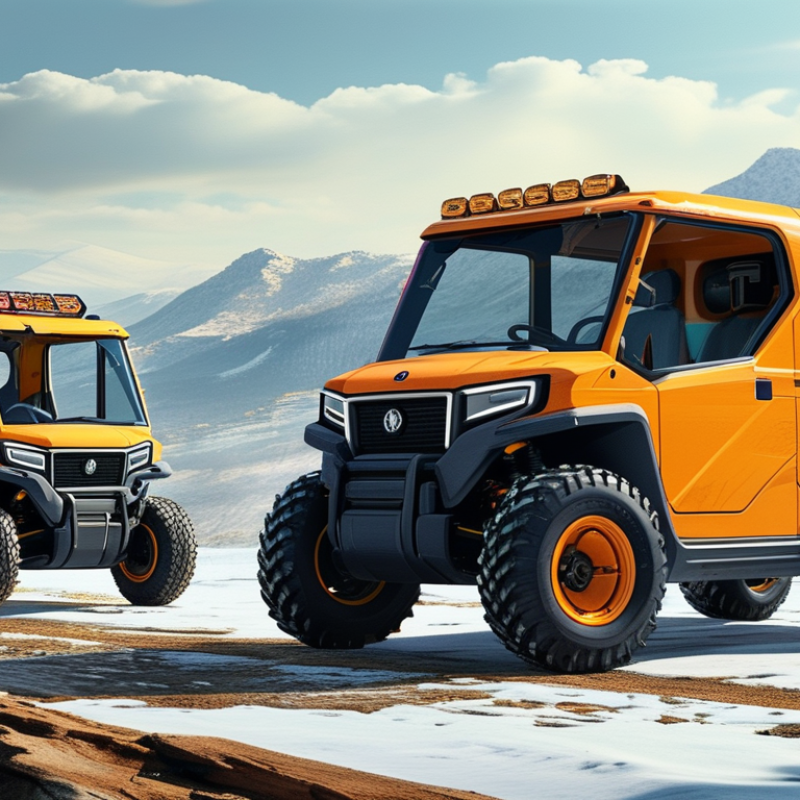
Electric utility carts are versatile vehicles designed to transport goods and personnel in various environments. They are popular in large venues, warehouses, and farms. These carts come in different sizes and capacities, catering to specific transport needs. Made with durable materials, they can handle rough terrains and heavy loads. With electric motors, they contribute to reduced emissions and quieter operations compared to traditional gas-powered vehicles.
When choosing an electric utility cart, consider your specific needs. Weight capacity is crucial. Ensure the cart can handle your intended load without strain. Battery life is another vital factor. A longer battery life allows for extended usage without interruptions. Think about the terrain where you will use it. Some carts are better suited for uneven surfaces, while others excel on smooth paths.
**Tip:** Always test drive the cart before purchasing. This helps assess its maneuverability and comfort. Also, check for warranty and after-sales service options. They can save you money and frustration down the line. Remember, not every cart fits everyone’s requirements. Reflect on what features you truly need versus those that are simply tempting.
Electric utility carts are increasingly popular in various industries. They simplify tasks and enhance productivity. When selecting one, several key features are essential to consider.
First, pay attention to the load capacity. Most electric utility carts can carry between 800 to 1,200 pounds. This range directly impacts their efficiency for specific tasks. Next, consider the battery life, which can vary significantly. Some models run for up to 8 hours on a single charge, making them ideal for full-day use. A cart with a longer battery life reduces downtime.
Additionally, examine the terrain capabilities. Some carts are designed for flat surfaces, while others can handle rough, uneven ground. This is crucial for outdoor operations. For instance, a recent industry report indicated that 40% of users encountered terrain challenges. Another aspect to consider is the size and maneuverability. The dimensions should fit your workspace comfortably. A model that turns easily can save time in tight spots. As you assess options, think about the specific tasks and environments in which you'll operate. Understanding these features allows for a more informed choice that meets real-world needs.
| Feature | Description | Importance |
|---|---|---|
| Load Capacity | Maximum weight the cart can carry, typically ranges from 800 to 2000 lbs. | Critical for ensuring the cart meets your hauling needs. |
| Battery Type | Types include lead-acid, lithium-ion, and nickel-metal hydride. | Affects weight, run time, and lifespan of the cart. |
| Speed | Common speeds range from 5 to 15 mph depending on model. | Important for efficiency in getting tasks done quickly. |
| Terrain Performance | Capability to maneuver over various surfaces like grass, gravel, or slopes. | Essential for outdoor use and uneven terrains. |
| Turning Radius | The smallest circular turn the cart can make, typically between 6 to 10 feet. | Important for navigation in tight spaces. |
| Safety Features | Includes features like seat belts, headlights, and turn signals. | Critical for operator safety, especially in crowded areas. |
| Price Range | Typically ranges from $5,000 to $15,000 depending on features. | A major consideration for budget planning. |
Electric utility carts come in various types, each designed for specific tasks. One common type is the flatbed cart. It has a spacious platform, allowing users to transport heavy items easily. This design is ideal for landscaping, warehouses, or construction sites. Flatbed carts often have a high weight capacity, making them reliable for moving bulky materials.
Another popular option is the enclosed utility cart. This variant protects cargo from weather and debris. It’s a great choice for those who operate in adverse conditions. These carts often feature lockable doors, ensuring that tools and equipment remain secure. However, the enclosed design may limit visibility while driving.
Electric utility carts also vary in terms of power and battery life. Some models come with powerful motors, providing a quick ride over terrain. Others focus on longer battery life for extended use. However, users must consider the terrain where the cart will be used. Battery performance might decline on steep hills or rough surfaces. Therefore, careful evaluation of the specific needs is crucial when selecting an electric utility cart.
Choosing the right size for an electric utility cart involves several key considerations. To start, you need to assess the space where you will be using the cart. Measure both the pathways and the intended storage areas. If you have tight corridors or narrow gateways, a compact model may be more suitable. Larger carts can handle more weight but might not fit easily in small spaces.
Next, think about the tasks you want to accomplish. For transporting heavy tools or equipment, opt for a cart with a higher weight capacity. Conversely, if you simply need to move lightweight items, a smaller cart might do just fine. Keep in mind the number of passengers too. If you expect to carry multiple people occasionally, consider a cart designed for additional seating.
Reflect on your frequent usage scenarios. Casual users may not need a fully featured, large-capacity model. For those who are using the cart daily, investing in a larger, multifunctional cart may save time and effort in the long run. Ultimately, finding the perfect size balances between function and practicality. Knowing your environment and needs will guide you toward the best choice.
This chart illustrates the weight capacity of various sizes of electric utility carts. When choosing an electric utility cart, consider your specific needs based on the load you plan to transport.
When selecting an electric utility cart, several factors come into play. Consider the cart's weight capacity. Ensure it can handle your typical load. Also, think about the size. It should fit your space while being easy to maneuver. Smaller carts can navigate tight areas but may lack storage.
The battery life is crucial. Look for a cart that can run long enough for your needs. Some users find that a short battery life interrupts work. Think about the terrain as well. Is it flat or uneven? Choose wheels that suit your environment. Bigger wheels can handle rough surfaces but may add weight.
Lastly, think about additional features. Some models offer side shelves or tool holders. These can enhance usability but may affect overall space. Check user reviews to gain insights. They can highlight real-world performance and reliability concerns. A cart might look great, but feedback can reveal shortcomings.
Please enter the details to download, thank you
Get in Touch With Us
Please enter the details to download, thank you