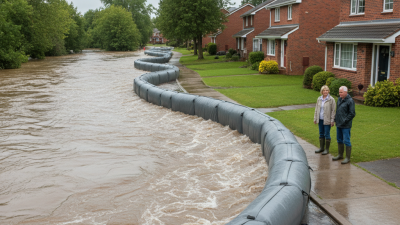
Inflatable flood barriers have become vital tools for flood management. Their ability to provide temporary protection against rising waters is impressive. However, using these barriers effectively requires knowledge and planning. Many users find themselves unprepared, leading to inadequate protection during floods.
One common mistake is underestimating the potential water levels. It's essential to assess the area carefully and choose the right size of inflatable flood barrier. Also, inflating the barriers correctly is crucial. If they are not fully inflated, they will not hold back water effectively.
Understanding the terrain helps improve placement. Some users might overlook obstacles in the way. Water can flow around barriers if they are not positioned well. Ensuring all seams are secure also matters. Small leaks can undermine the barrier's effectiveness. In summary, using inflatable flood barriers effectively involves attention to detail and proper planning. Each step taken makes a difference when faced with flood threats.
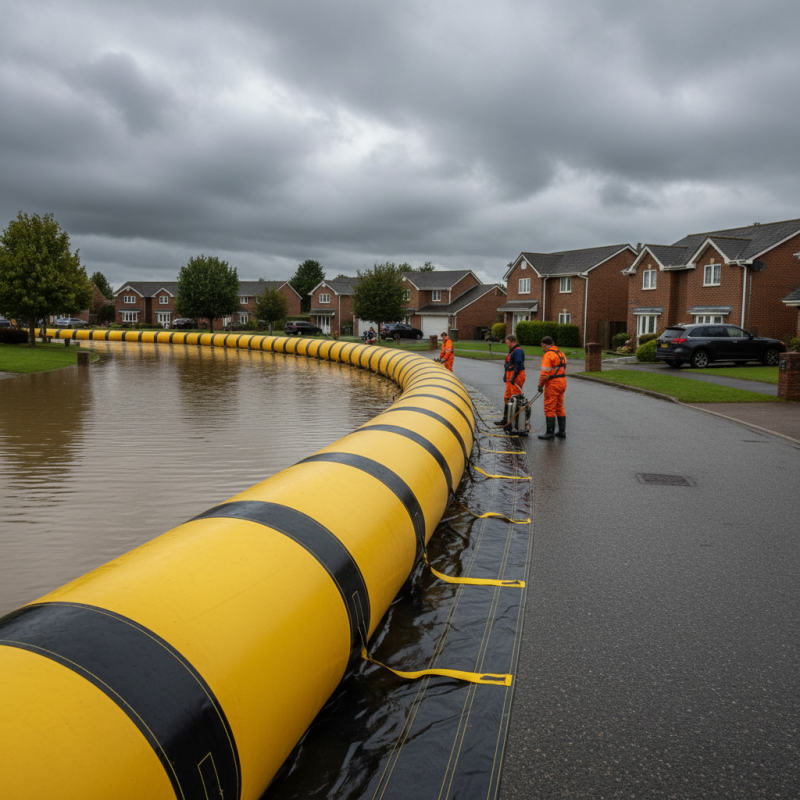
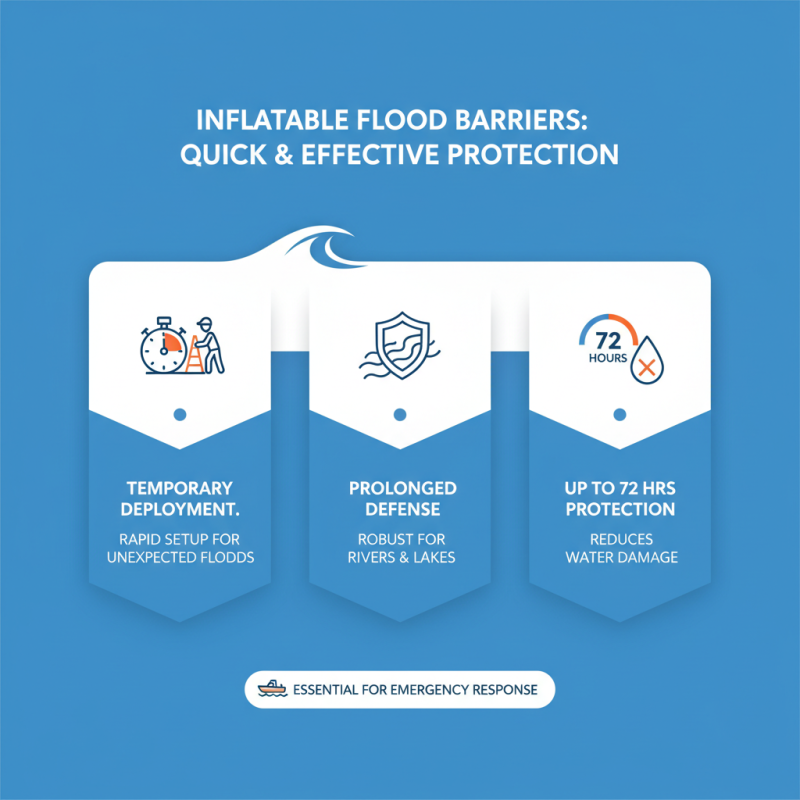
Inflatable flood barriers come in various types, each tailored for specific applications. Some are designed for temporary use, ideal for quick deploys during unexpected floods. Others are more robust and suited for prolonged protection against lake or river flooding. Reports suggest that these barriers can prevent water damage effectively for up to 72 hours in severe conditions. Their portability and quick setup make them essential for emergency response teams.
Different materials impact performance significantly. For instance, polyurethane barriers tend to be lighter but may lack durability. In contrast, PVC barriers generally offer better resistance to punctures. A study indicated that barriers made from high-quality materials can withstand pressures of up to 1.5 meters of water. They are also reusable, requiring minimal maintenance. However, end-users often overlook the need for regular inspections, which can lead to failures during crucial moments.
The versatility of inflatable flood barriers is impressive. They can be deployed in urban areas, and rural locations, or even around sensitive infrastructure. Yet, challenges remain. Improper usage sometimes leads to ineffective water management strategies. Compromised seals or faulty inflation can cause barriers to fail. As reported, a significant percentage of barriers used in real emergencies did not perform as expected due to these oversights. Understanding these limitations is vital in improving flood response strategies.
Inflatable flood barriers are vital in flood management. Proper installation can significantly enhance their effectiveness. According to the National Flood Insurance Program, effective flood barriers can reduce flood damage by up to 60%. However, improper placement can lead to failure.
Before installation, assess potential flood areas carefully. Identify zones prone to rising water. Pay attention to variables such as terrain and wind. Each site is unique; cookie-cutter approaches don’t work. A 2019 report by the American Society of Civil Engineers highlighted that 30% of flood management strategies fail due to inadequate site assessment.
Once you select a location, ensure barriers are anchored securely. Loose barriers can be swept away by strong currents. Watch for debris that could compromise the barrier’s integrity. Installation requires teamwork. Communication is key to ensure all hands are on deck. One misstep could lead to costly mistakes. Evaluate your installation regularly, and be prepared to adapt as conditions change.
| Tip Number | Tip Description | Key Benefits |
|---|---|---|
| 1 | Choose the right location for installation | Maximizes effectiveness and minimizes flood risk |
| 2 | Ensure a proper seal at the base | Prevents water leakage |
| 3 | Regularly inspect the barriers | Ensures readiness and identifies potential issues |
| 4 | Follow manufacturer instructions | Guarantees correct setup and operation |
| 5 | Practice installation before an emergency | Increases speed and efficiency during actual use |
| 6 | Use additional weights or anchors | Enhances stability in windy conditions |
| 7 | Monitor weather conditions | Informs timely installation and adjustments |
| 8 | Implement a quick response plan | Facilitates swift action during emergencies |
| 9 | Educate team members on usage | Ensures everyone knows their role |
| 10 | Consider professional assistance if needed | Benefits from expertise and experience |
Proper maintenance of inflatable flood barriers is crucial for their longevity and effectiveness. Regular inspection is essential. Research indicates that nearly 30% of flood barrier failures are due to inadequate maintenance. Users should visually check for leaks or punctures. Small damages can be easily repaired if caught early. Use soap and water to clean the exterior, ensuring no debris remains trapped.
Storage conditions significantly impact the lifespan. Barriers should be stored in a cool, dry place to prevent mold and material degradation. A report from the Flood Protection Association highlights that improper storage can shorten a barrier's life by up to 50%. Ensure they are deflated completely before storage to avoid any creasing or stress on the material. Additionally, users often overlook the importance of knowing the manufacturer’s recommended service intervals. Following these guidelines ensures that barriers remain effective when needed most, yet many users fail to keep accurate records of inspections and repairs.
It's surprising how often people underestimate these simple tasks. Neglecting maintenance can lead to costly repairs or replacements. Taking a few minutes for regular upkeep can save significant time and money during emergencies. Reflection on past experiences often reveals missed opportunities for better care. Prioritize routine checks and proper storage as integral parts of flood preparedness.
Deploying inflatable flood barriers requires careful planning.
Assess the area at risk before an event. Take note of the environment. Identify obstacles like trees and buildings.
This helps determine the best placement for barriers. Ensure they are away from water flow
to maximize effectiveness.
Team coordination is vital during deployment. Everyone should know their role.
Practice drills can help, but they are often overlooked. Real situations can be chaotic.
Clear communication can make a difference in urgent moments. Barriers must be secured properly to withstand strong currents.
Each barrier's connection point needs attention.
Malfunctions can occur despite thorough preparation. Regular inspections are essential to
ensure barriers are intact. Sometimes, unexpected weather changes can compromise plans.
A backup strategy is always useful. Adaptation is key when facing a crisis.
Not every plan works as expected, and reflection can lead to improvement.
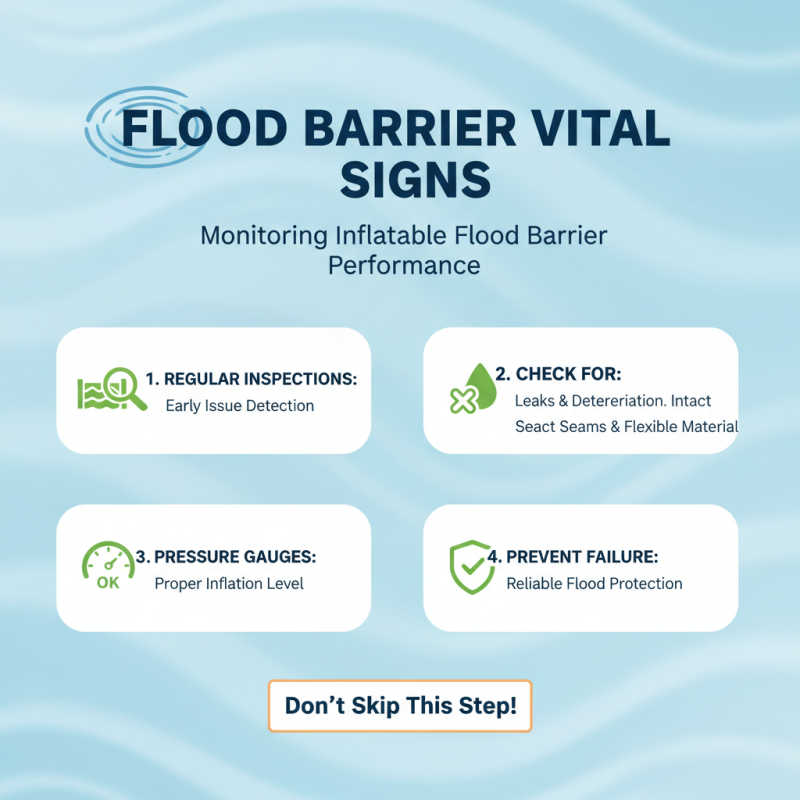
Monitoring and assessing the performance of inflatable flood barriers is crucial for effective flood management. Regular inspections can catch potential issues early. Look for any signs of leaks or deterioration. The seams should be intact, and the materials should remain flexible. This prevents unexpected failures during a flood event. Using pressure gauges can help ensure that the barriers are appropriately inflated. It might seem simple, but missing this step can lead to inadequate protection.
During heavy rainfall or flooding, continuous monitoring becomes even more important. Use portable devices to measure water levels and barrier effectiveness. These tools provide real-time data. Feedback loops from actual flood conditions can unveil weaknesses in barrier placement. Understanding these limits is vital. After an event, reflect on barrier performance. Did it hold up? Where did it fail? This practice fosters improvements for future deployments. Regular training sessions for team members also enhance readiness and adaptability. They learn to respond better to real-time challenges.
Please enter the details to download, thank you
Get in Touch With Us
Please enter the details to download, thank you