What is Flood Protection Barriers and How Do They Work?
Flood protection barriers are essential tools in mitigating the impacts of flooding. According to the National Oceanic and Atmospheric Administration (NOAA), coastal flooding affects over 3 million people annually in the United States alone. This alarming statistic highlights the urgent need for effective flood management solutions. Flood protection barriers come in various forms, including levees, flood walls, and portable barriers, each designed to defend against rising waters.
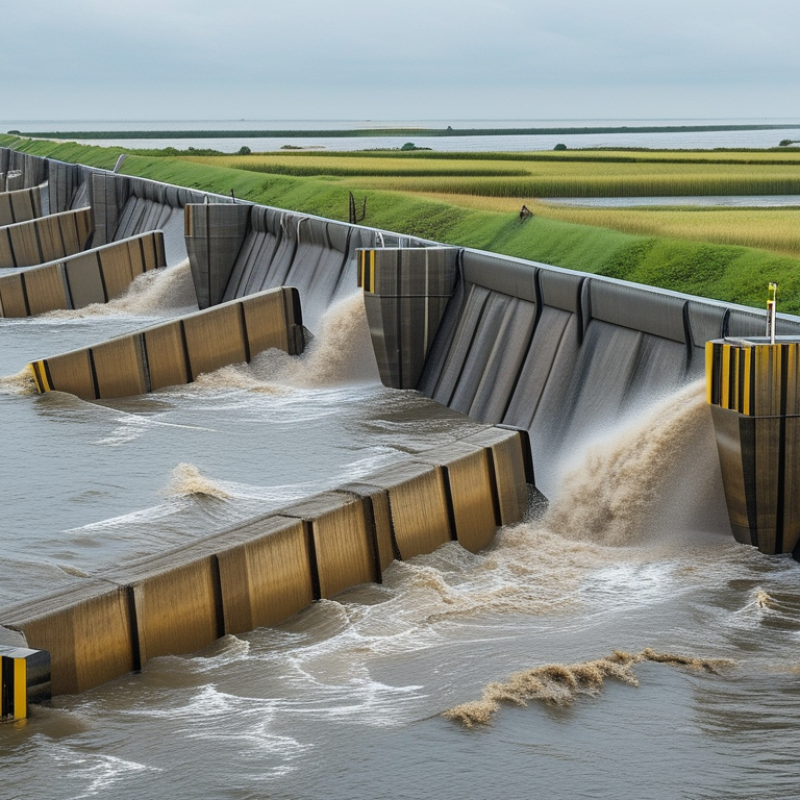
These barriers function by redirecting water away from vulnerable areas. Their effectiveness is often measured in terms of height and design. For example, the Holland Storm Surge Barrier in the Netherlands can withstand surges up to 3 meters. Despite their importance, the design and maintenance of these structures can be challenging. Some facilities may require regular assessment to ensure strength and reliability.
While flood protection barriers provide critical protection, they are not foolproof. Experts from the International Journal of Disaster Risk Reduction have pointed out that a combination of barriers, community awareness, and comprehensive planning is essential. Relying solely on barriers without considering climate trends may lead to vulnerabilities. Thus, ongoing research and adaptation are necessary to enhance flood resilience in a rapidly changing climate.
What Are Flood Protection Barriers?
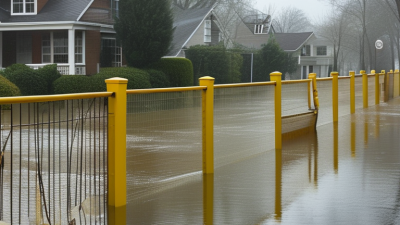
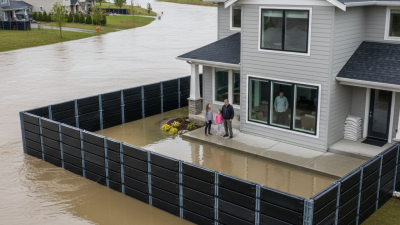
Flood protection barriers are vital structures designed to prevent water from entering areas during flood events. These barriers can take various forms, including temporary walls, permanent levees, or inflatable dams. Their primary function is to redirect or block excessive water flow, thus safeguarding communities, infrastructure, and natural habitats from potential damage.
When installed properly, flood protection barriers can significantly reduce the risk of flooding. Their design often includes factors such as the expected water level and surrounding topography. Engineers may use materials like sandbags, concrete, or earth to construct effective barriers. However, some barriers may fail if they are poorly designed or constructed without proper expertise. It's crucial for local authorities to conduct regular assessments and maintenance. This ensures that the barriers remain reliable and effective in times of need.
Understanding the nuances of how these barriers work is essential for effective flood management. While they offer protection, they also require a community response in preparation for severe weather. Some regions may still experience flooding despite barriers due to intense storms or rising water levels. This unpredictable nature should not be overlooked. It's a reminder that while barriers enhance safety, they are just one part of a comprehensive flood response strategy.
Types of Flood Protection Barriers
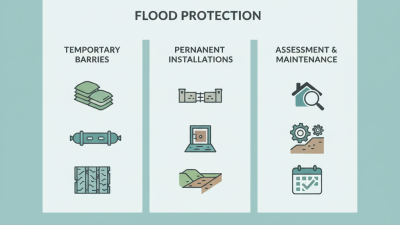
Flood protection barriers are critical for managing the impacts of rising water levels. Various types of barriers exist, each designed for specific scenarios. The most common types include levees, floodwalls, and temporary barriers. Levees are earthen structures that help control river overflow. According to a report by the American Society of Civil Engineers, levees prevent flooding in communities, but they may deteriorate over time. Regular maintenance and inspections are essential to ensure they function effectively.
Floodwalls, often made of concrete or steel, provide a stronger and more permanent solution. They are typically built in urban areas to protect critical infrastructure. Data from the National Flood Insurance Program indicates that well-designed floodwalls can significantly reduce flood damage, saving millions in potential losses. However, they require extensive planning and investment.
Temporary barriers are versatile and can be deployed rapidly in response to flooding threats. Examples include sandbags and inflatable dams. A study by the Federal Emergency Management Agency highlights the need for proper training in their use. Mismanagement can lead to insufficient protection. While flood protection barriers are vital, limitations remain. For instance, extreme weather events may overwhelm these systems. Continuous evaluation of these barriers is crucial to adapt to changing environmental conditions.
What is Flood Protection Barriers and How Do They Work? - Types of Flood Protection Barriers
| Barrier Type |
Description |
Height (ft) |
Material |
| Temporary Barriers |
Inflatable barriers or sandbags used for short-term protection. |
3-6 |
PVC, Sand |
| Permanent Barriers |
Structural walls built to provide ongoing protection against floods. |
6-20 |
Concrete, Steel |
| Moveable Flood Barriers |
Removable barriers that can be deployed and retracted as needed. |
4-12 |
Aluminum, Steel |
| Floodgates |
Gates that can be closed to prevent floodwaters from entering. |
4-10 |
Steel, Reinforced Concrete |
| Levees |
Earthen mounds or barriers built alongside rivers. |
Variable |
Soil, Rock |
How Flood Protection Barriers Function
Flood protection barriers are essential tools for managing flood risks. They are designed to help communities mitigate the impact of heavy rainfall and rising water levels. These barriers can take many forms, such as temporary walls, inflatable structures, or permanent levees. Understanding how they function can help local authorities make informed decisions about flood management strategies.
The barriers work by redirecting and containing water. When heavy rains occur, the barriers can be deployed quickly. They can block incoming water from rivers or rising tides. Some barriers are detachable and can be placed where needed most. This flexibility allows communities to address specific flood risks effectively. However, maintaining these barriers can be challenging. They must be regularly inspected for wear and tear.
Proper installation is crucial for efficiency. The barrier's effectiveness relies on solid ground and correct sealing. Failure in these aspects can lead to leaks or breaks. Communities often face budget constraints, making it hard to invest in high-quality materials. This can create gaps in flood defenses. Inadequate training for personnel can also undermine the barriers' performance during emergencies. These factors highlight the importance of continuous evaluation and improvement in flood management systems.
Installation and Maintenance of Flood Barriers
When it comes to the installation of flood protection barriers, several key factors are essential for effectiveness. These barriers can be made from various materials, such as steel and concrete, or from flexible fabrics. According to the National Oceanic and Atmospheric Administration (NOAA), flood barriers must be customized to fit specific environments and scenarios. This customization often includes considering local flood history and potential water levels, which requires a reliable analysis of past flood events.
Proper installation is crucial. Engineers recommend ensuring a flawless seal between the barrier and the ground. Any gaps can lead to significant water inflow. In some cases, barriers must be anchored firmly to withstand strong currents. Regular inspections are also necessary. Reports indicate that about 30% of flood barriers are not maintained as needed, which can compromise their effectiveness during a flood. These barriers should be inspected at least once a year and after severe weather events to ensure they are not damaged or compromised.
Maintenance involves checking for corrosion, wear, and any structural weaknesses. The Urban Drainage and Flood Control District emphasizes that debris should be removed regularly from barrier systems to prevent blockages. Awareness is essential; many communities underestimate the importance of ongoing maintenance. Inadequate upkeep can lead to catastrophic failures, highlighting the necessity of a dedicated maintenance plan. Flood barriers are only as effective as the care and attention they receive.
Effectiveness and Limitations of Flood Protection Systems
Flood protection systems are essential in safeguarding communities from the devastation of rising waters. These barriers can range from physical walls to deployable flood gates. Effectiveness varies based on design, location, and specific flood risks. They can significantly reduce water intrusion during typical flooding events. However, limitations exist that must be addressed.
One major issue is the durability of these barriers. Materials can degrade over time, leading to potential failures. Some systems require regular maintenance, which may be overlooked. During extreme flood events, barriers can be overwhelmed, leading to catastrophic breaches. In some cases, the psychological impact on communities can create a false sense of security. Residents might underestimate the potential threat, believing barriers provide complete safety.
Additionally, the environmental effects of these barriers are often under-analyzed. They may interfere with natural water flow, potentially harming local ecosystems. While effective in protecting urban areas, attention to surrounding habitats is crucial. Future flood protection must consider both human safety and ecological balance. The balance between efficiency and sustainability remains an ongoing challenge for engineers and planners.
Effectiveness of Flood Protection Barriers
This bar chart illustrates the effectiveness of flood protection barriers across various dimensions. The effectiveness is rated high at 80, while cost and maintenance receive moderate scores of 60 and 50, respectively. Environmental impact scores 30, indicating potential trade-offs, and installation time scores 40, reflecting the complexity involved.