How to Choose the Best Water Pump for Your Needs
Choosing the right water pump starts with the job, not the product label. A pump moving rainwater from a basement needs different features than one supplying a house, farm, or workshop. Flow rate, total head, pipe length, and power availability all affect performance. Small details matter.
Experienced installers measure the lifting height before comparing models. They also check pipe diameter, water temperature, solids, and expected running hours. A pump rated for high flow may struggle when pressure demands increase. Conversely, an oversized unit can waste electricity and cycle too often. That mistake is common.
Reliable selection also depends on verified specifications. Manufacturer data should explain maximum head, operating flow, motor protection, materials, and service requirements. Independent certifications can strengthen confidence, but they do not replace accurate site measurements. A stainless-steel housing may suit clean water, while abrasive water may require stronger impellers and seals. Always check compatibility.
Real-world conditions are rarely perfect. Power may fluctuate, access may be limited, and seasonal demand can change. These issues deserve attention before purchase. A quieter pump may be valuable near living spaces. A float switch can prevent dry running in a collection tank. Yet no feature solves poor installation.
This guide explains how to compare pump types, calculate practical requirements, and avoid attractive but unsuitable choices. It also considers maintenance, operating cost, noise, and long-term reliability. The best water pump is not always the most powerful model. It is the one that meets the required duty safely, efficiently, and consistently. Recheck the assumptions. They are often where the real problem begins.
Define the Water Pump’s Main Job and Operating Conditions
Choosing a water pump starts with its main job, not its catalog name. Define the required flow rate, pressure, and operating schedule. A household transfer pump may move water between tanks. A booster pump must maintain pressure across pipes, filters, and elevation changes.
The duty point matters. It combines flow and total head, measured in metres or feet. The U.S. Department of Energy’s Improving Pumping System Performance sourcebook reports that pumping systems may consume 25% to 50% of electricity in some industrial facilities. Correct sizing can reduce wasted energy, but oversized pumps often cycle, throttle, and wear faster. I have seen installations where a small pipe restriction created a larger problem than the pump itself.
Operating conditions need equal attention. Record water temperature, viscosity, acidity, suspended solids, suction lift, and available NPSH. Hydraulic Institute guidance stresses that inadequate NPSH can cause cavitation, noise, vibration, and impeller damage. Intermittent duty also differs from continuous operation. A pump handling clear water may fail quickly with sand or fibrous debris. That detail is easy to overlook.
Tips: Measure the real flow and pressure before choosing. Check the pump curve at your duty point. Leave practical margin, but avoid excessive oversizing. Inspect the suction line first. It may be the hidden cause. Keep photographs, readings, and maintenance records; reliable selection depends on evidence, not guesswork.
Match Pump Capacity to Required Flow Rate and Lift Height
How to Choose the Best Water Pump for Your Needs
A pump’s advertised flow rate can look impressive, but it may describe performance at zero lift. Real installations are different. Measure the vertical distance from the water surface to the discharge point. Then add resistance from pipe length, elbows, filters, and valves. This combined figure is the total dynamic head.
Match this head with your required flow rate on the pump curve. Do not choose a pump by horsepower alone. For example, a garden system may need 40 liters per minute at 18 meters of total head. A pump delivering 40 liters at five meters may fail badly at 18 meters. I once focused on the outlet size and underestimated friction loss. The system worked, but the flow was weak. That mistake changed how I check pump specifications.
Tips: Write down the required flow rate and lift height before shopping. Use actual pipe measurements, not rough guesses. Add a modest safety margin, usually around 10 to 20 percent, for changing water levels and unexpected resistance. Avoid excessive oversizing, because it can waste energy and stress pipes. Check whether the pump curve shows continuous performance or only a peak value. Also consider priming requirements, dry-run protection, and water temperature. If your calculation feels uncertain, test the system with a pressure gauge and flow meter. Small errors matter.
How to Choose the Best Water Pump for Your Needs
Match the pump’s capacity to the required flow rate at the system’s total lift height.
The recommended pump capacity should meet or slightly exceed the required flow at the stated lift.
Values represent typical small-system planning ranges. Actual performance depends on pipe length,
friction losses, fittings, elevation changes, and the pump performance curve.
Choose the Right Pump Type for Your Water Source and Application
How to Choose the Best Water Pump for Your Needs
Choose the Right Pump Type for Your Water Source and Application
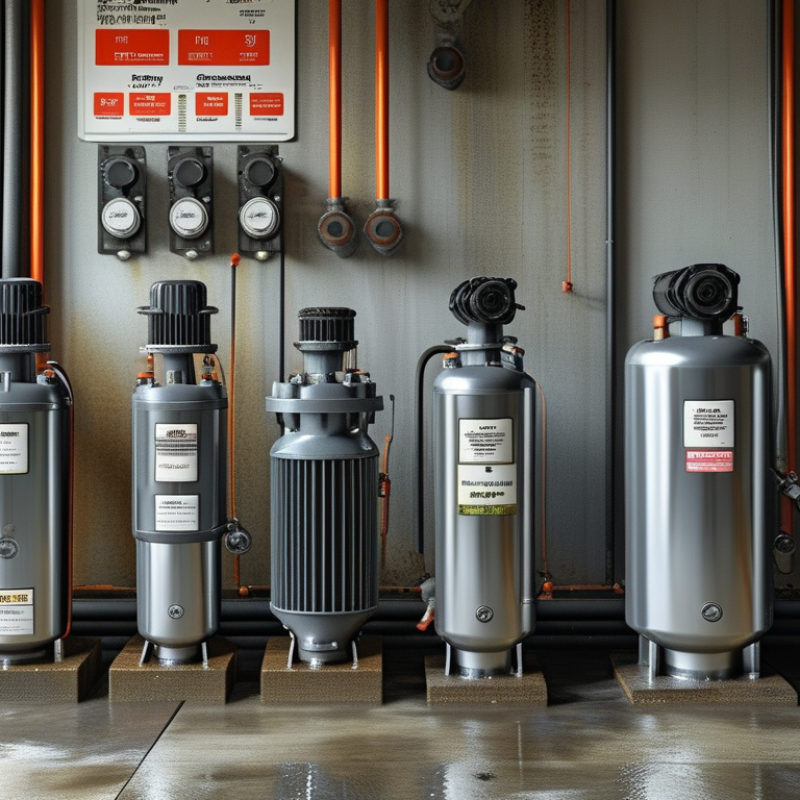
Your water source determines the pump design, power, and operating depth. A shallow well usually needs a surface pump with a short suction line. Deep wells require submersible pumps because suction limits become unreliable at greater depths. For rainwater tanks, a compact pressure pump can supply toilets, gardens, or washing machines. Drainage jobs need a different approach. Choose a dewatering pump that tolerates dirty water and small solids.
Measure the required flow before comparing models. A household may need steady pressure, while irrigation often demands higher volume. Check the total head, including vertical lift, pipe length, bends, and outlet pressure. Small pipes can reduce performance more than expected. I learned this after replacing a pump that seemed powerful but struggled through a narrow, extended line. The calculation was incomplete.
Match the impeller and materials to the water condition. Clean water pumps suit wells and storage tanks, while solids-handling pumps suit flooded areas and construction drainage. Avoid running a pump dry. It can damage seals and overheat quickly. Install a filter where appropriate, but remember that excessive restriction lowers flow. Electrical protection also matters, especially near wet locations. Follow local installation rules and use qualified help when wiring is beyond your experience. A pump may fit the source yet fail the application. Recheck the duty cycle, noise level, maintenance access, and seasonal changes before purchasing.
Compare Efficiency, Reliability, Cost, and Long-Term Operating Value
How to Choose the Best Water Pump for Your Needs
Efficiency should be judged at the duty point, not from the motor label alone. A pump operating far from its best efficiency point can waste energy and suffer faster wear. The U.S. Department of Energy reports that pumping systems may consume about 25% of industrial facility electricity. That figure makes small efficiency differences financially meaningful. Check flow, total head, fluid temperature, pipe diameter, and expected operating hours before comparing models. Measure twice.
Reliability depends on more than construction material. Seal quality, bearing protection, maintenance access, and resistance to corrosion all affect service life. The Hydraulic Institute recommends evaluating pumps across their full operating range, because unstable operation can create vibration and repeated repairs. In practical inspections, blocked strainers and undersized pipes often cause avoidable performance losses. The pump is not always the problem. Installation matters.
Purchase price is only one part of long-term value. The European Commission’s product policy studies identify pumps as significant energy users, reinforcing the need for lifecycle-cost analysis. Add electricity, replacement parts, labor, downtime, and disposal costs over the expected service period. A cheaper unit may become expensive after several years. Still, efficiency ratings are not perfect predictions. Real loads change, maintenance slips, and operators sometimes select oversized equipment for safety. Compare measured demand with future needs, then leave a realistic margin without excessive capacity.