
Choosing the right aluminium pipe is critical for various industrial applications. According to Dr. Emily Carter, a leading expert in the aluminium fabrication industry, “Selecting the right pipe can significantly impact performance and safety.” This highlights the importance of making informed decisions.
Aluminium pipes are known for their lightweight and strength. They are widely used in construction, automotive, and aerospace industries. However, with many options available, the selection process can be daunting. Factors like alloy type, size, and application requirements play a crucial role. A wrong choice could lead to inefficiencies or even project failures.
Experts often stress the need for thorough research. They recommend evaluating properties like corrosion resistance and thermal conductivity. It's essential to reflect on specific project needs before making a selection. Understanding each characteristic ensures the best choice is made. This approach reflects a commitment to quality and reliability in the aluminium pipe industry.
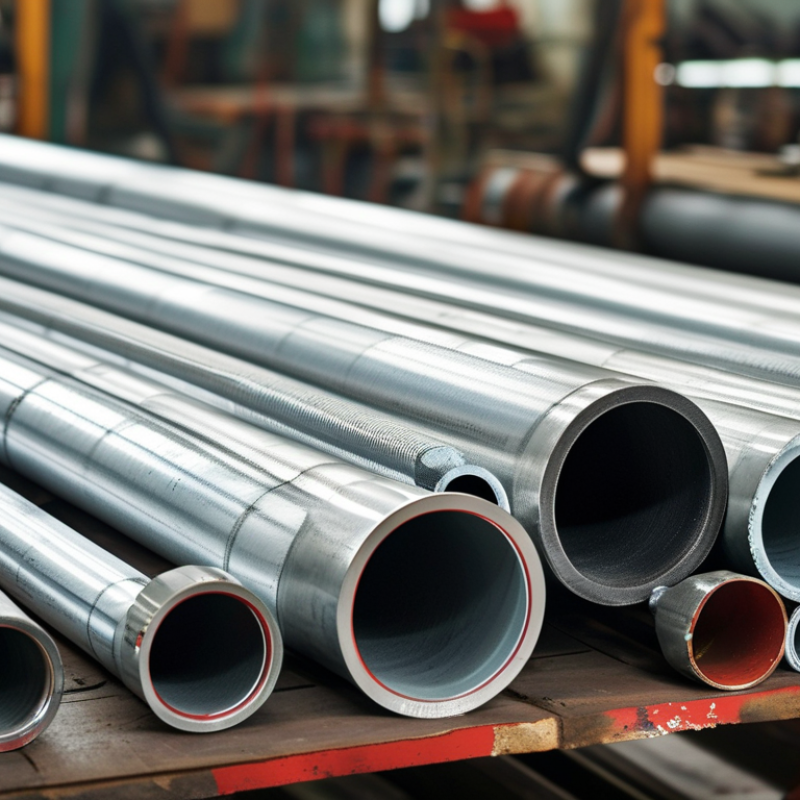
When selecting aluminium pipes, understanding the types available is crucial. There are two primary categories: seamless and welded. Seamless pipes offer a uniform structure. This makes them ideal for high-pressure applications. Their lack of seams reduces the risk of leaks. On the other hand, welded pipes are often easier to produce. They can be more cost-effective for certain applications, though they might not withstand pressure as well.
Various grades of aluminium also exist. For instance, 6061 is known for its good mechanical properties. It is versatile and widely used in construction. Another option is 6063, which offers better workability. However, it may not have the same strength as 6061. Knowing the specific requirements of your project is essential. How much weight will the pipe bear? What environmental factors will it face?
Don't forget to consider the surface finish. Anodizing can enhance corrosion resistance. The choice between mill finish and anodized surface can impact longevity. Reflect on your project's needs carefully. Assess the pros and cons of each type and grade. This decision should be based on practical application, cost, and durability. Choosing the right aluminium pipe can significantly affect your project's success.
When selecting aluminium pipe specifications, several key factors must be considered. The first is the pipe's intended application. Different uses require varying strength and durability levels. For instance, pipes for structural applications need to withstand greater forces compared to those used for plumbing.
Another crucial factor is the pipe's dimensions. The diameter and wall thickness directly impact its strength and use. A thicker wall generally offers better resistance to pressure and corrosion. For instance, a pipe used in high-pressure systems requires careful sizing. This detail should not be overlooked, as improper dimensions can lead to significant failures.
Finally, examine the aluminium alloy used in the pipe's construction. Different alloys have unique properties, such as corrosion resistance and weldability. Choosing the right alloy can make a significant difference in performance and longevity. Reflecting on these aspects ensures you choose the most suitable aluminium pipe for your needs.
When evaluating the strength and durability of aluminum pipes, consider their tensile strength. Aluminum alloys exhibit a tensile strength range from 70 to 700 MPa, depending on the specific alloy and temper. This range allows for flexibility in various applications, from lightweight structures to more heavy-duty uses. It's crucial to choose an alloy that fits the specific needs of your project.
The corrosion resistance of aluminum pipes is another vital aspect. Aluminum forms a natural oxide layer that protects against rust and deterioration. According to industry reports, aluminum pipes can last up to 100 years in many environments. However, it’s essential to evaluate the applicable conditions, such as exposure to certain chemicals or coastal environments. A pipe that performs well in one scenario may not withstand another, necessitating thorough research and testing.
In terms of durability, fatigue failure is a concern in aluminum applications. Regular inspections are necessary as unseen cracks can develop over time. Statistics show that almost 30% of aluminum structures experience fatigue issues after prolonged stress. This highlights the need for not only selecting the right material but also ensuring a proactive maintenance approach. A careful evaluation, including proper usage guidelines and regular assessments, will enhance longevity and performance.
| Tip | Description | Strength (MPa) | Durability Rating | Cost ($ per meter) |
|---|---|---|---|---|
| 1. Material Grade | Select appropriate grade for your project. | 250 | High | 5.00 |
| 2. Pipe Thickness | Consider thickness for better strength. | 300 | Very High | 7.50 |
| 3. Corrosion Resistance | Choose pipes with protective coatings. | 220 | Moderate | 4.50 |
| 4. Length Requirements | Match pipe lengths with project specifications. | 250 | Medium | 3.00 |
| 5. Joint Type | Decide on welding or mechanical joints. | 200 | Medium | 2.50 |
| 6. Weight Limitations | Ensure pipes can handle expected loads. | 350 | High | 6.00 |
| 7. Finish Type | Select finishes suitable for your environment. | 250 | High | 5.75 |
| 8. Temperature Resistance | Select pipes suitable for thermal conditions. | 230 | Moderate | 4.00 |
| 9. Pressure Handling | Ensure the pipe can withstand system pressure. | 300 | Very High | 8.00 |
| 10. Compliance Standards | Ensure pipes meet relevant regulations. | 250 | High | 5.50 |
When selecting aluminium pipes, cost considerations can heavily impact your decision. Start by determining your budget. This will help narrow down your options without overspending. But remember, the cheapest option may not always be the best. It’s crucial to evaluate the long-term value against short-term savings.
Cost can vary significantly based on pipe diameter, grade, and finish. Researching the market is key. Consider getting multiple quotes. This practice can expose significant price differences, revealing options that fit your budget. Don’t forget to account for shipping costs. They can greatly affect the overall budget.
A common mistake is underestimating the specifics of the project. Consider the application of the pipe. For example, high corrosion resistance may increase costs. However, it could save money in maintenance down the line. Check for compliance with relevant standards as well. Ensuring quality can prevent costly mistakes later. Making informed choices is essential for balancing performance and expenditure.
When choosing aluminium pipes, compliance with industry standards is crucial. Different sectors have specific requirements. Selecting a pipe that doesn’t meet these can lead to significant issues. For example, automotive and aerospace industries have rigorous standards for strength and weight. Understanding these requirements ensures your selection is suitable for your application.
Furthermore, always check certifications. Pipes must meet standards like ASTM or ISO. These ensure quality and safety. A lack of documentation may signal potential problems. It’s also wise to consult with engineers or industry experts who have experience with compliance. Their insights can illuminate potential pitfalls.
Be mindful that not all suppliers understand these regulations as thoroughly. It’s essential to scrutinize their credentials. A reliable supplier should provide transparent information about their products. If they hesitate or lack details, reconsider your options. Ultimately, ensuring compliance requires diligence and an informed approach to decision-making.
Please enter the details to download, thank you
Get in Touch With Us
Please enter the details to download, thank you