
China’s resonant capacitor industry is entering a more demanding stage in 2026. Electric vehicles, induction heating systems, solar inverters, wireless charging platforms, and high-frequency power supplies require stable performance under severe electrical stress. In these applications, Resonant Capacitors must manage heat, ripple current, insulation distance, voltage peaks, and long operating cycles. A low price is useful only when reliability remains measurable.
Dr. John M. Miller, a respected power-electronics researcher, has emphasized a practical principle: “A capacitor’s value is proven under real operating stress, not on a datasheet.” This idea shapes our review of China’s leading manufacturers. We examine film quality, metallization control, thermal design, testing depth, customization ability, and delivery consistency. Factory photographs can show clean production lines. They cannot prove long-term dielectric stability.
That requires evidence.
The selected companies serve different markets. Some focus on high-voltage resonant converters. Others develop compact components for automotive and renewable-energy equipment. Their strengths are not identical, and rankings should not be treated as permanent. A supplier may perform well in laboratory prototypes but struggle with volume production. Another may offer excellent durability but weaker technical support overseas. This article therefore combines public product information, manufacturing experience, engineering considerations, and available market evidence. A few judgments remain imperfect because supplier data is not always fully disclosed. Readers should verify certifications, test reports, sample results, and warranty terms before making a purchasing decision.
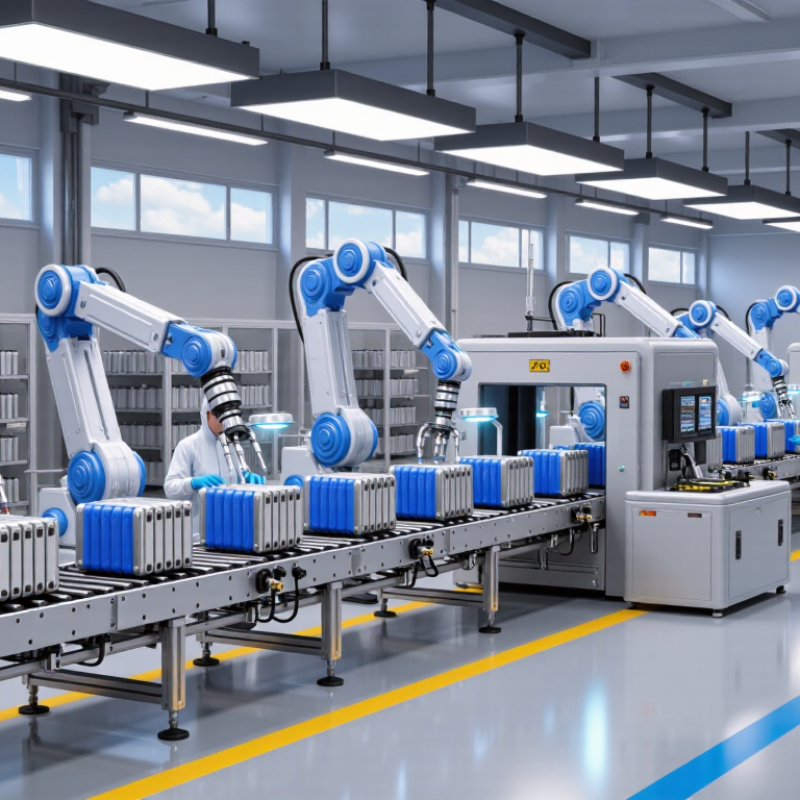
Resonant capacitors store electrical energy and release it in a controlled rhythm with an inductor. Together, they create an LC resonant circuit. At a selected frequency, the capacitor’s reactance balances the inductor’s reactance. Current then moves efficiently through the circuit. At resonance, timing matters. This principle supports induction heating, wireless power transfer, motor drives, and high-frequency converters.
Engineers usually choose a resonant capacitor by checking capacitance, voltage rating, ripple current, ESR, and operating temperature. A capacitor may withstand its rated voltage but still fail under continuous heating. In a factory test, a thermal camera can reveal hot terminals or uneven current distribution within minutes. Film capacitors are common because they offer low losses and stable performance. Ceramic types can work well in compact designs, although capacitance may change with voltage and temperature. Small errors matter.
When evaluating Chinese manufacturers for resonant capacitors, I would request impulse-test records, aging data, welding details, and traceable inspection reports. Samples should operate under the real switching frequency, not only under comfortable laboratory conditions. Datasheets can look reassuring, yet assembly quality often decides service life. Engineers should also examine lead spacing, insulation thickness, cooling paths, and batch consistency. One practical lesson is easy to miss: a larger capacitance value is not automatically better. It can shift the resonant frequency, increase circulating current, and stress nearby components. The design may work on the bench, then behave differently after several hours of heat.
Selecting a Chinese resonant capacitor manufacturer requires more than comparing unit prices. The first check is electrical fit: rated voltage, switching frequency, RMS current, capacitance tolerance, and dissipation factor. In LLC converters, even a small capacitance shift can alter soft-switching performance. The manufacturer should provide impedance curves, thermal data, endurance results, and lot-level traceability. Ask for samples from normal production, not specially prepared units. That detail matters.
Market evidence supports a demanding approach. The International Energy Agency reported that global electric car sales exceeded 17 million in 2024, increasing demand for compact power converters. MarketsandMarkets also projects continued growth in power electronics through the decade. These systems expose capacitors to high-frequency ripple and repeated thermal cycling. Therefore, evaluate film quality, winding geometry, cooling paths, and self-healing behavior.
Verify testing against relevant IEC requirements, while checking whether reports come from accredited laboratories. Factory audits should review humidity control, metallized-film storage, welding consistency, and final inspection records.
Cost remains important, but low price may hide shorter service life. Request accelerated-life data at your actual voltage and temperature. Compare equivalent test conditions carefully. A spreadsheet can still lie. One practical weakness is relying too heavily on certificates; production consistency can drift after approval. Build a small pilot batch, measure temperature rise, and inspect capacitance after cycling. Clear engineering communication also matters, especially when specifications change late.
China’s Top 10 Resonant Capacitor Manufacturers in 2026 reflect a growing focus on power efficiency and thermal stability. These manufacturers typically serve induction heating, electric vehicles, photovoltaic inverters, wireless charging, and high-frequency converters. Their product lines commonly include polypropylene film capacitors, water-cooled units, and customized resonant assemblies.
A reliable evaluation should examine more than production volume. Key indicators include ripple-current testing, insulation resistance, capacitance tolerance, self-healing performance, and lifetime data at elevated temperatures. Several leading facilities use automated winding equipment, vacuum impregnation, laser welding, and digital traceability. Some models operate above 100 kHz and withstand demanding pulse conditions. Cooling channels may use copper or aluminum structures, depending on voltage and thermal requirements. Certification records also matter, but certificates alone are not enough.
Field experience often reveals the difference. Engineers should compare actual loss figures, terminal temperature, acoustic vibration, and failure feedback from similar applications. Sampling ten manufacturers can expose meaningful variations in sealing quality and delivery consistency. Public rankings remain imperfect because many suppliers do not disclose complete test methods. That deserves caution. A technically strong supplier may still need better documentation, clearer warranty terms, or faster engineering support. In 2026, buyers increasingly value stable batches, traceable materials, and practical customization over impressive catalog claims.
This chart compares representative operating-frequency benchmarks across ten major resonant-capacitor application segments served by China’s manufacturing industry. Values are engineering reference points in kHz, based on commonly used application frequencies rather than company-specific or brand-specific data.
A credible 2026 comparison should examine more than price and production volume. The top ten manufacturers should provide stable capacitance, low ESR, controlled losses, and reliable thermal performance. In factory audits, engineers should inspect winding quality, terminal welding, insulation layers, and traceability records. Small details matter.
Technology separates capable suppliers from ordinary factories. Advanced film materials, automated winding, vacuum impregnation, and laser inspection can improve consistency. Ask for ripple-current data at actual operating temperatures. Datasheets often show ideal results. Real equipment behaves differently. This gap deserves careful review.
Certifications also need practical verification. ISO 9001 supports process control, while IATF 16949 may indicate stronger automotive discipline. IEC test compliance should match the capacitor’s intended application. For induction heating, high-frequency stability and cooling design are critical. Wireless charging requires low loss and precise matching. Renewable-energy inverters demand endurance under voltage stress. Samples should complete aging, humidity, vibration, and thermal-cycle tests before approval. A certificate alone proves little. Supplier communication, failure analysis, and replacement support reveal more. Some evaluations still rely too heavily on polished documents. That is a weakness worth correcting.
Choosing among China’s top 10 resonant capacitor manufacturers in 2026 requires more than comparing catalog prices. Start with the application: induction heating, wireless power, or high-frequency conversion. Each use demands different voltage, capacitance, ripple-current, and cooling performance. Ask for complete datasheets, tolerance ranges, insulation details, and expected service life. A supplier with engineering experience should explain these figures in practical terms.
Request samples from the same production line, not special prototypes. Test them under real operating conditions, including heat, vibration, and repeated electrical loading. Check capacitance drift after extended operation. Review factory quality procedures, traceability records, and relevant test reports. A dependable manufacturer should welcome technical questions and provide clear corrective actions when results fall short. A polished brochure is not proof.
Supplier audits also matter. Examine winding equipment, drying processes, sealing methods, and final inspection records. Confirm whether production capacity matches your forecast, especially during peak seasons. Discuss minimum order quantities, packaging, lead times, spare units, and communication in writing. The lowest quotation may hide weaker materials or inconsistent testing. I have seen promising samples fail after temperature cycling, so sample approval should never end the evaluation. Leave room for doubt, and verify every important claim before long-term purchasing.
Please enter the details to download, thank you
Get in Touch With Us
Please enter the details to download, thank you