
Top 10 PVC Shoe Mould Types for Global Buyers

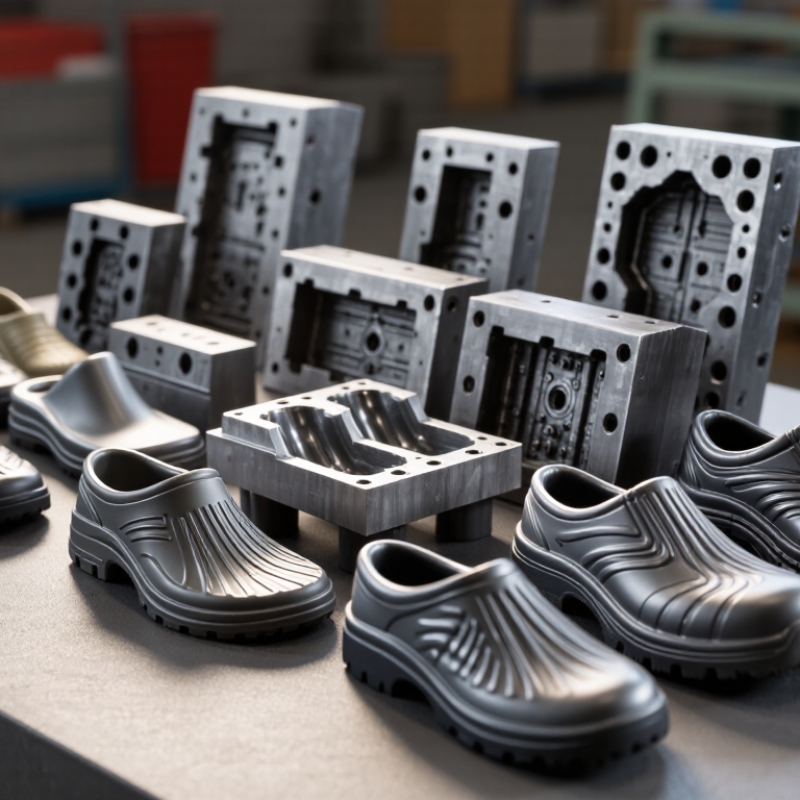
Choosing the right Pvc Shoe Mould can influence production speed, surface quality, material waste, and long-term maintenance. For global buyers, the decision involves more than comparing catalogue photos or quoted prices. Different footwear designs require different mould structures, cavity layouts, cooling systems, and release methods. A lightweight slipper mould may need simple detailing, while a safety boot mould demands stronger steel, accurate dimensions, and reliable pressure control.

Details matter.

This guide examines ten common PVC shoe mould types used across international footwear markets. It considers practical factors such as mould material, cavity quantity, injection compatibility, texture performance, and expected service life. Experienced manufacturers also check shrinkage allowances, sole thickness, alignment accuracy, and cooling uniformity before production begins. A small error around the heel or toe can affect comfort, appearance, and fitting consistency.

However, no single mould type suits every factory or product range. A low-cost option may appear attractive, yet frequent polishing or difficult demoulding can increase operating expenses. Supplier claims should be supported by sample testing, technical drawings, inspection records, and clear after-sales communication. Regional standards and buyer requirements must also be reviewed carefully. This overview offers a practical starting point, not a substitute for engineering validation. Some recommendations may change after testing real PVC compounds, machine settings, and seasonal production conditions. Careful comparison remains essential.
Top 10 PVC Shoe Mould Types for Global Buyers

PVC Shoe Mould Taxonomy: 10 Types by Structure, Use, and Output

Top 10 PVC Shoe Mould Types for Global Buyers

PVC Shoe Mould Taxonomy: 10 Types by Structure, Use, and Output

PVC shoe moulds differ by construction, production purpose, and expected output. A one-piece mould suits simple soles and stable designs. A split mould releases deeper patterns with less edge damage. Interchangeable-insert moulds support size changes without rebuilding the complete tool. Multi-cavity moulds produce several pairs in one cycle, improving output but increasing balancing work.

Single-colour injection moulds fit basic sandals and uniform soles. Two-colour moulds create contrast zones, such as a dark tread under a lighter upper. Rotary moulds support continuous production and repeated colour changes. Direct-injection outsole moulds bond PVC to the upper during forming, reducing separate assembly. Boot moulds use taller cavities and stronger support around the ankle. Small-batch moulds suit trial orders, seasonal styles, and market testing.

From practical sourcing experience, cavity count alone does not guarantee productivity. Cooling channels, venting, PVC flow, and release angles often decide the real result. A mould may look precise yet leave air marks near the heel. That is frustrating. Buyers should request sample shots, cycle data, steel details, and dimensional records before approval. This classification is helpful, but not perfect. Some tools combine split structures, inserts, and multi-colour functions. The correct choice depends on shoe geometry, annual volume, surface detail, machine capacity, and acceptable maintenance time.

Injection PVC Moulds: 160–190°C Processing and Single-Color Designs

Top 10 PVC Shoe Mould Types for Global Buyers

Injection PVC moulds remain practical for single-color shoe soles, slippers, sandals, clogs, and lightweight boots. Grand View Research valued the global PVC market at approximately USD 45.5 billion in 2023. It also forecasts steady growth through 2030. That demand makes mould accuracy more important, especially for export orders with strict size tolerances.

PVC commonly processes between 160°C and 190°C, depending on formulation, equipment, and colour stability. Stable temperature control reduces burning, bubbles, and uneven surface gloss.

Mould designers should use corrosion-resistant steel and polished flow channels. Proper venting matters. Trapped air can mark the heel or leave dull patches near the toe.

A balanced gate also helps fill thin outsole ribs without excessive injection pressure. Single-color designs usually simplify dosing, cleaning, and production scheduling. They can also reduce mould complexity compared with multi-color construction.

Still, “simple” does not mean risk-free. My production checks would include first-shot weight, shrinkage, flash, hardness, and demoulding force. A 0.2-millimeter mismatch may become visible along a sole edge.

PlasticsEurope’s Plastics—The Fast Facts 2024 reports global plastics production above 400 million tonnes, showing the scale of competition for efficient processing. Buyers should request trial samples and review actual processing records, not only catalogue drawings. Temperature windows can be narrower than expected.

Multi-Color and Two-Density Moulds: 2–3 Material Zones for Shoe Soles

Multi-color and two-density PVC shoe moulds create soles with distinct functional zones. A firm outer rim can improve edge stability, while a softer heel section helps absorb impact. Some designs use three material zones: outsole, midsole, and comfort insert. Each zone needs controlled temperature, pressure, and timing during injection.

In production trials, I check color separation around the flex grooves first. Thin walls may show bleeding between colors. Careful gate placement and balanced runners reduce this risk. Venting also matters, especially near toe tips and deep tread patterns. Trapped air can leave dull spots or incomplete details. Cooling channels should follow the sole geometry, not simply the mould perimeter. Uneven cooling may cause warping or size variation. Small errors become visible on repeated pairs.

A reliable mould also requires compatible PVC grades and stable shrinkage data. Material testing should cover hardness, rebound, abrasion, and bonding between zones. Two-density soles can fail when the interface is contaminated or poorly timed. I would inspect cut sections from trial samples, not rely only on surface appearance. The process is not always perfect. Complex three-zone moulds may increase setup time and maintenance demands. Their value depends on accurate tooling, trained operators, and consistent inspection records.

Top 10 PVC Shoe Mould Types for Global Buyers - Multi-Color and Two-Density Moulds: 2–3 Material Zones for Shoe Soles

No. PVC Shoe Mould Type Material Zones Typical Moulding Method Common Shoe Application Outsole Structure Main Buyer Benefit Important Tooling Considerations
1 Single-Color PVC Sole Mould 1 PVC compound zone Single-shot injection or rotary injection Basic sandals, slippers, and economical casual footwear Uniform-density outsole with molded tread Lowest tooling complexity and straightforward color control Gate location, venting, shrinkage allowance, and tread release must be balanced across the full sole.
2 Two-Color PVC Sole Mould 2 color zones; usually the base and a contrasting upper or side zone Two-shot injection or indexed rotary injection Fashion sandals, beach footwear, and promotional styles Integrated two-color outsole with a defined visual boundary Adds visual differentiation without assembling a separate sole component Mould alignment, color separation, transfer timing, and clean interface lines are critical.
3 Two-Density PVC Sole Mould 2 density zones using softer and firmer PVC compounds Sequential two-shot injection Comfort sandals, indoor footwear, and lightweight casual shoes Soft cushioning layer combined with a firmer wear or support layer Improves comfort and durability within one molded sole Compound compatibility, bonding temperature, shrinkage difference, and compression behavior require validation.
4 Three-Color PVC Sole Mould 3 color zones, such as base, midsole stripe, and tread accent Three-shot injection or multi-station rotary injection Lifestyle sandals, children’s footwear, and seasonal fashion shoes Layered or segmented outsole with three visible color areas Supports stronger product styling and color-coded functional areas Requires accurate station indexing, stable melt temperature, and careful control of flash between zones.
5 Two-Color, Two-Density Mould 2 material zones with separate color and hardness targets Sequential multi-shot injection Comfort-focused sandals and value-performance casual footwear Soft-colored comfort zone plus a firmer contrasting support zone Combines visible styling with differentiated underfoot performance The process window is narrower because both color accuracy and interlayer adhesion must be maintained.
6 Three-Zone PVC Comfort Mould 3 zones: cushioning, support, and wear-resistant tread Three-stage injection with controlled material placement Work sandals, comfort clogs, and long-wear casual footwear Functional zones positioned under the heel, footbed, and contact surface Allows the sole to target different comfort and durability requirements Zone boundaries should avoid high-stress flex points unless the material transition is fully tested.
7 Textured and Anti-Slip PVC Mould Usually 1 zone; may include 2 zones for a contrasting tread insert Injection moulding with engraved or etched tread textures Rain sandals, pool footwear, and utility slippers Grooved, lugged, or patterned contact surface Improves wet-surface grip and gives the product a technical appearance Texture depth, draft angle, venting, and easy release are essential for consistent tread definition.
8 Contoured Footbed and Sole Mould 1–2 zones; optional softer foot-contact area Injection moulding with shaped footbed cavity Anatomical sandals, house shoes, and comfort-oriented footwear Raised arch area, heel cup, and contoured insole surface Creates a shaped footbed without a separate insole assembly Last geometry, left-right symmetry, dimensional compensation, and footbed surface finish need close control.
9 Transparent or Translucent PVC Mould 1 clear zone or 2 zones with a clear decorative section Injection moulding with high-visibility surface control Fashion sandals, jelly shoes, and seasonal transparent footwear Clear or translucent sole with visible internal or surface effects Creates decorative depth and supports distinctive seasonal designs Polished cavity surfaces, clean material handling, low contamination, and controlled flow marks are important.
10 Logo, Pattern, and Decorative Relief Mould 1–3 zones; decoration may be molded in a contrasting color Injection moulding with engraved relief or recessed details Private-label fashion footwear and collection-specific designs Flat or contoured sole with molded lettering, symbols, or repeat patterns Reduces reliance on post-molding printing or adhesive decorations Relief depth, fine-detail filling, draft angles, and wear resistance of the decorative area must be verified.

Note: Material-zone counts refer to separately controlled PVC compound areas within the sole. Actual performance depends on compound formulation, mould design, injection equipment, processing temperature, and production settings.

Rotational and Compression Moulds: Lower Pressure for Flexible PVC Footwear

Rotational and Compression Moulds for Flexible PVC Footwear

Global buyers often compare PVC shoe moulds by pressure, cycle time, and surface detail. Rotational moulds and compression moulds deserve attention because both suit flexible footwear with moderate tooling costs. The World Footwear Yearbook reported approximately 23.9 billion pairs of shoes produced globally in 2023. That scale increases demand for repeatable moulding and stable dimensions. Flexible PVC also needs gentle processing. Excessive pressure can distort soft uppers, embossed textures, or thin sole edges.

Rotational moulds distribute heated PVC plastisol across the cavity wall. They normally require little external pressure, which helps create lightweight sandals, boots, and hollow components. Compression moulds use preheated PVC and controlled force between matched cavities. Their operating pressure is usually far below injection moulding levels, though exact values depend on compound hardness and mould geometry. Start with a controlled trial. Do not trust a catalogue number alone.

PlasticsEurope’s 2024 Plastics—The Facts report placed PVC near 9% of European plastics demand by weight. That figure supports PVC’s continuing industrial relevance, but it does not guarantee footwear performance. Buyers should inspect vent locations, parting lines, shrinkage, and cavity polishing. A 0.3-millimetre flash may feel minor, yet it can irritate the wearer’s ankle. For compression tools, check pressure balance across the heel and toe. For rotational tools, watch material pooling near corners. The first sample may look acceptable and still fail after flex testing. That uncomfortable result is useful. It reveals where the mould design needs reconsideration.

Global Buyer Checklist: 0.2–0.5% Shrinkage, Steel Grade, and ISO 20344 Testing

Top 10 PVC Shoe Mould Types for Global Buyers

Global Buyer Checklist: 0.2–0.5% Shrinkage, Steel Grade, and ISO 20344 Testing

The ten common PVC mould categories include sandal, slipper, clog, loafer, boot, rain boot, work shoe, safety shoe, outsole, and direct-injection moulds. Each type needs different draft angles, cooling channels, and cavity support. A boot mould may require deeper venting around the heel and ankle. An outsole mould needs stable texture transfer across long edges.

Treat 0.2–0.5% shrinkage as a working range, not a guaranteed result. PVC compound, injection temperature, cooling time, and wall thickness can change the final size. Request cavity measurements before production. Check length, ball girth, heel height, and symmetry from several cavities. One sample is not enough. Small errors become uncomfortable after assembly.

Steel selection affects polish, wear resistance, and maintenance intervals. P20 may suit general production, while 718 or H13 can support higher demands. Confirm hardness, heat treatment records, and steel certificates. Ask how the supplier controls corrosion near cooling channels. ISO 20344 defines footwear test methods, not a simple mould approval. The finished footwear should be tested by a competent laboratory, including relevant slip, impact, flexing, and dimensional checks. Be cautious with perfect-looking reports. Test conditions may not match your PVC formula or factory process. Allow room for revision.

Top 10 PVC Shoe Mould Types for Global Buyers

Global buyer checklist: 0.2–0.5% PVC shrinkage allowance, suitable mould steel, and ISO 20344 testing where PPE footwear compliance applies.

Mould Type Typical Steel Reference ISO 20344 Buyer Check
Full shoe last mouldP20 / 1.2311Required for applicable PPE footwear claims
Outsole mouldP20 / 1.2311Abrasion, slip and sole-related test methods
Midsole mould718 / 1.2738Dimensional and performance verification
Sandal sole mouldP20 / 1.2311Slip-resistance testing where applicable
Slipper sole mouldP20 / 1.2311Dimensional and sole-performance checks
Clog sole mould718 / 1.2738Slip and ergonomic performance checks
Boot sole mould718 / 1.2738Sole adhesion, flexing and slip checks
Safety-toe sole mouldH13 / 1.2344PPE test program should reference ISO 20344
Sports sole mould718 / 1.2738Slip, flexing and abrasion verification
Multi-color sole mouldS136 / 1.2083Check each compound, color interface and final sole performance

The chart shows procurement planning allowances within the requested 0.2–0.5% range. Actual PVC shrinkage depends on compound formulation, fillers, processing temperature, cooling conditions and mould geometry. ISO 20344 defines footwear test methods; it does not replace product-specific conformity requirements.