Top Tips for Choosing a Reusable Flood Barrier?

Choosing the right reusable flood barrier can be a daunting task. With many options available, making a decision is challenging. There are various types and materials, and each offers unique advantages.

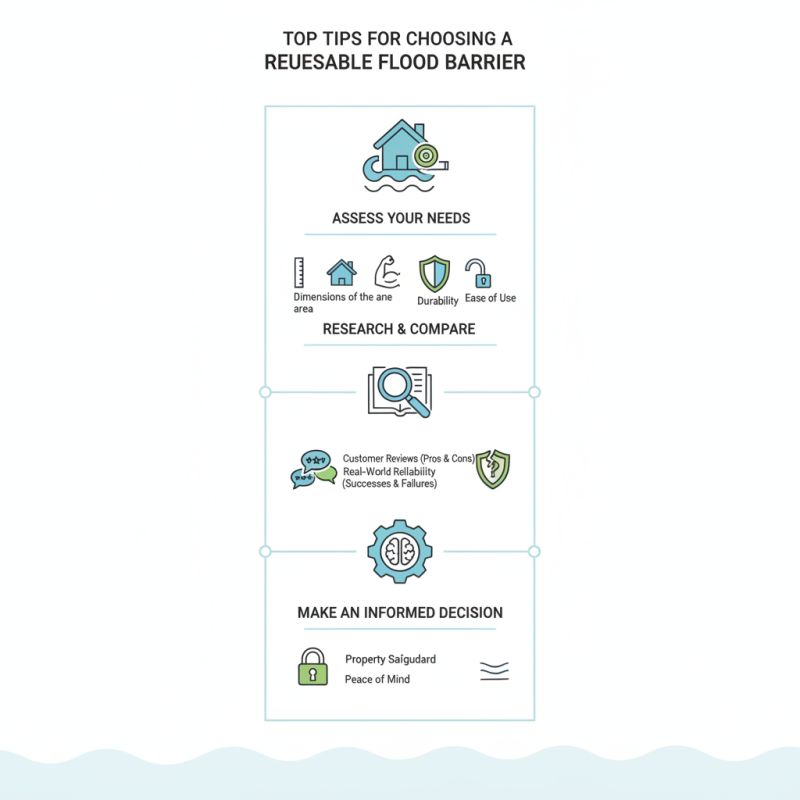
When selecting a reusable flood barrier, consider the specific needs of your environment. Think about the dimensions of the area you want to protect. Additionally, evaluate the barrier's durability and ease of use. Some barriers may be more effective than others, but that can depend on individual circumstances.

It's essential to do thorough research. Customer reviews can provide valuable insights. However, not all reviews are reliable or honest. Some barriers may look promising but fail in real-world conditions. Reflecting on these aspects will help you choose wisely. A well-informed decision can safeguard your property and provide peace of mind.
Top Tips for Choosing a Reusable Flood Barrier?

Understanding the Different Types of Reusable Flood Barriers

Top Tips for Choosing a Reusable Flood Barrier?

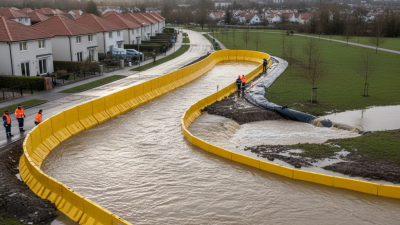
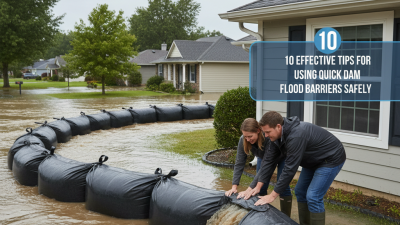
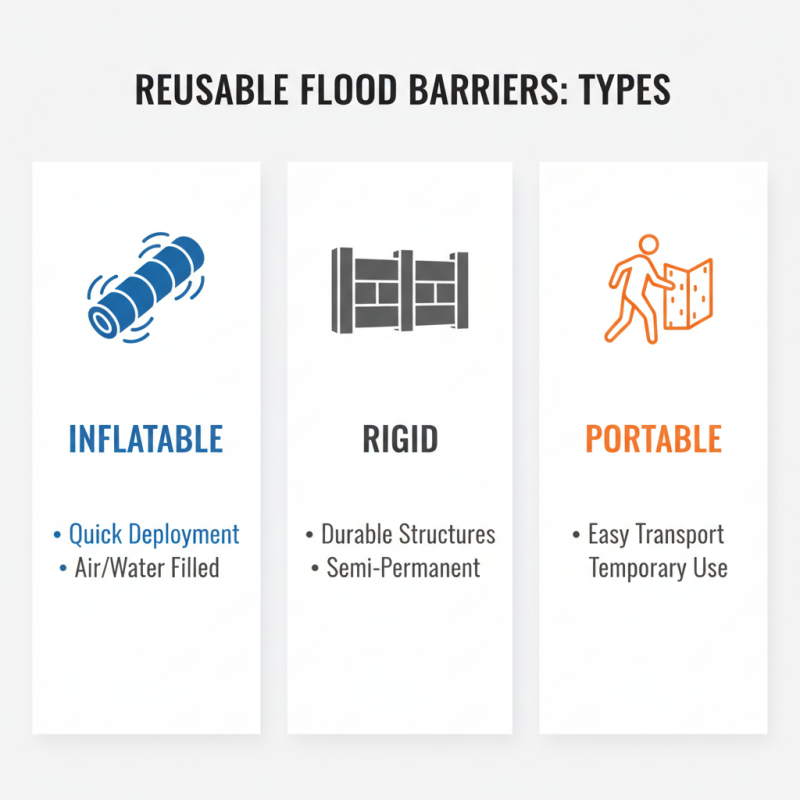
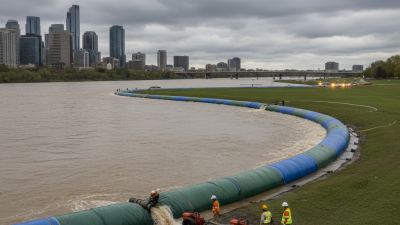
When selecting a reusable flood barrier, it is crucial to understand the various types available. Generally, these barriers can be categorized into three main types: inflatable, rigid, and portable. Inflatable barriers are convenient for quick deployment. They can be deployed quickly by filling them with air or water, making them ideal for sudden floods. However, they may require regular inspections to avoid leaks.

Rigid barriers offer a more solid protection method. They are often made from durable materials and are designed to be setup in advance. These require installation expertise and can be heavy, which may pose logistical challenges during a flood event. Although they provide strong protection, their size can limit flexibility, needing to account for storage space.

Portable barriers offer versatility and ease of use. They are lightweight and can be moved where needed most urgently. However, their effectiveness can vary depending on the conditions. They may not stand up well against large volumes of water or debris. Choosing the right type involves weighing these factors against your specific needs and environment. It’s worth reflecting on the local terrain and weather patterns, as these will significantly influence your decision.
Evaluating Material Durability and Water Resistance

Top Tips for Choosing a Reusable Flood Barrier?

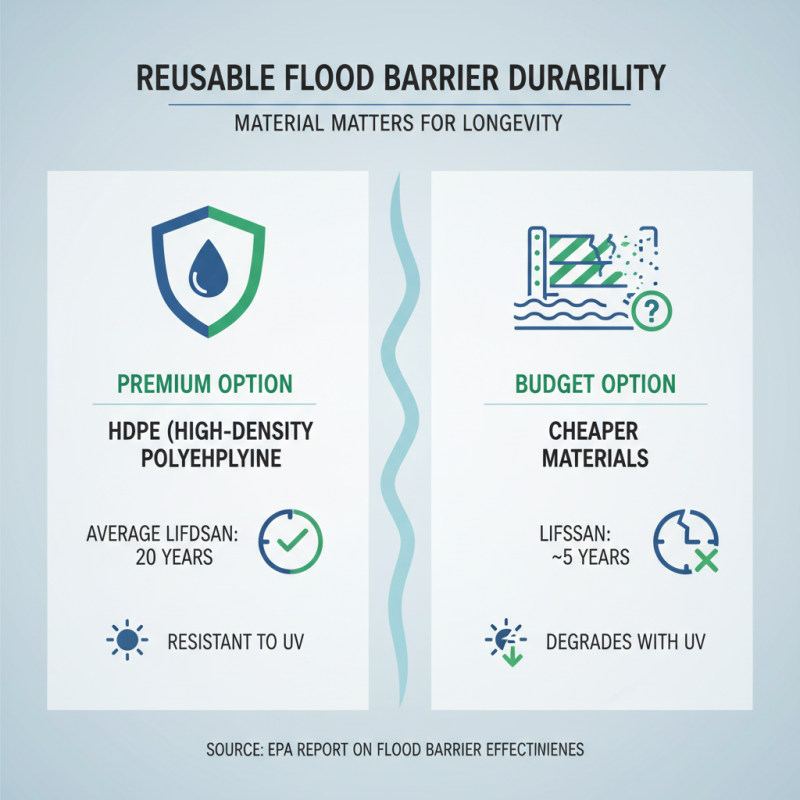
When choosing a reusable flood barrier, evaluating material durability is crucial. The longevity of these barriers directly affects their effectiveness. According to a report by the Environmental Protection Agency, barriers made from high-density polyethylene (HDPE) last an average of 20 years. However, not all materials are created equal. Some cheaper options may degrade within five years when exposed to UV light.

Water resistance is another critical factor. A study by the National Institute of Standards and Technology found that barriers with a tested water resistance rating can prevent leakage in water levels up to three feet. This means that any barrier rated below that may be inadequate during severe flooding events.

It's essential to be cautious. Some materials might seem durable but fail in real-world conditions. Anecdotes from flood management professionals show that barriers advertised as water-resistant failed during actual flood events. Investing in a robust barrier requires more than just looking at specs. Always consider practical testing results from reliable sources.

Assessing Installation and Deployment Ease

When assessing reusable flood barriers, ease of installation and deployment is crucial. Many homeowners want a solution that is both effective and user-friendly. About 70% of flood-related issues arise from improper installation. This statistic highlights the importance of a design that simplifies the setup process.

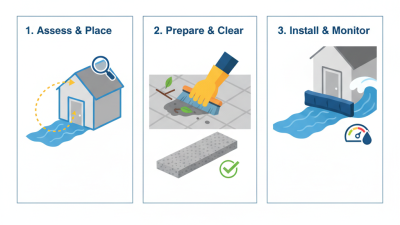
Consider barriers that come with clear, concise instructions. Step-by-step guides can reduce installation errors. Look for products that are lightweight and portable. These features make it easier for individuals to handle the barriers during emergencies. Some reports suggest that faster deployment can save properties from significant damage.

Tips: Prioritize barriers that require minimal tools. Some options can be set up in less than an hour. This allows users to focus on other aspects of flood preparation. Review user experiences for real-life insights into installation challenges. Understand that not every product will fit every situation. Some designs may be cumbersome in tight spaces or require additional support. Keep these factors in mind when making a choice.

Top Tips for Choosing a Reusable Flood Barrier - Assessing Installation and Deployment Ease

Criteria Description Score (1-10)
Weight Lightweight barriers are easier to handle and deploy. 8
Setup Time Quick installation reduces risk during emergencies. 7
Portability Easy to transport barriers are more convenient for various sites. 9
Material Quality Durable materials ensure longevity and reliability. 8
Ease of Storage Compact designs save space during storage. 7
Versatility Suitable for various flood types adds value. 9
Cost-effectiveness Affordable options yield better investments. 6

Considering Environmental Impact and Sustainability

When choosing a reusable flood barrier, considering environmental impact is crucial. Materials play a significant role in sustainability. Many barriers are made from high-density polyethylene (HDPE) or recycled rubber. A report by the Environmental Protection Agency (EPA) highlights that using recycled materials can reduce carbon emissions by 30%. This is vital in the battle against climate change.

The lifespan of a flood barrier also matters. Some products can be reused for over a decade. This longevity minimizes waste and the need for new resources. However, not all reusable barriers are made equal. Some might be less effective, leading to costs in both money and resources. A 2021 study showed that ineffective barriers can increase environmental strain due to repeated purchases. It’s essential to evaluate performance alongside eco-friendliness.

Think about the end-of-life disposal of your chosen product. Will it break down naturally? Or contribute to landfill waste? The answer lies in understanding the materials used. Keeping these factors in mind can lead to better choices that prioritize both safety and sustainability.

Top Tips for Choosing a Reusable Flood Barrier: Environmental Impact and Sustainability

Determining Cost-Effectiveness and Maintenance Needs

When selecting a reusable flood barrier, it’s crucial to assess cost-effectiveness and maintenance needs. Evaluating the long-term expenses is essential. A more expensive option may save costs over time. Consider how often you'll need to deploy it and maintain it. Understanding the life span helps gauge the investment value.


Tips for choosing wisely include comparing materials. Some may require more upkeep than others. For example, inflatable barriers can be easier to set up but may need frequent checks for wear and tear. A solid barrier offers durability but might be heavier and harder to store.


Another aspect is installation. Some barriers may need professional setup, increasing costs. Think about how quickly you can install it in an emergency. Familiarize yourself with your options before a flood occurs. This preparation is essential for effective flood prevention. Ensure you can handle any necessary repairs or adjustments.