Top 10 Water Pumps for Flooding How to Choose the Best?

Flooding can cause significant damage to homes and properties. When faced with rising water levels, a reliable water pump for flooding becomes indispensable. Choosing the right pump is crucial for effective water removal. Many options are available, but not all are suited for your specific situation.

Understanding pump types, capacities, and features can be overwhelming. Some pumps excel in high-capacity situations, while others are better for smaller areas. It's essential to assess your needs accurately. A poor selection could lead to inadequate performance during a flood crisis. This choice often reflects deeper considerations, like power sources and ease of use.

Research shows that quality and reliability vary among brands and models. Seek expert recommendations and user reviews when selecting your water pump for flooding. Pay attention to warranties and customer support options. Understanding the equipment's limitations is vital, as it can create frustrations during emergencies. Awareness can help prevent costly mistakes and ensure effective water management.
Top 10 Water Pumps for Flooding How to Choose the Best?

Top 10 Water Pumps: An Overview of Key Features and Specifications

When selecting a water pump for flooding, several key features and specifications are crucial. Look for power and capacity. A robust motor and high flow rate are essential for effectively managing large volumes of water. Consider the pump's portability. Lightweight models can be moved easily, especially in emergencies. A durable construction ensures reliability, particularly in challenging environments. The materials used can significantly impact the pump's lifespan.

Assess the pump's type and drainage capability. Submersible pumps can operate underwater, while pedestal pumps are better for shallow flooding. Examine the cord length and hose attachment options for flexibility. Noise level might also be a concern in residential areas. Check reviews to understand how different models handle various conditions. Some users report failures in prolonged use, emphasizing the importance of reliable design.

Another aspect to consider is energy efficiency. A pump that consumes less power saves on electricity costs over time. Moreover, ease of maintenance can affect long-term reliability. Some pumps require regular check-ups, which might not always be feasible during intense storms. Reflect on your specific needs, as no single model is perfect for everyone.
Understanding Pump Types: Submersible vs. External Water Pumps

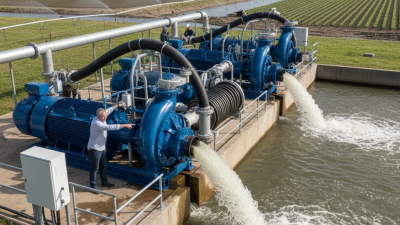
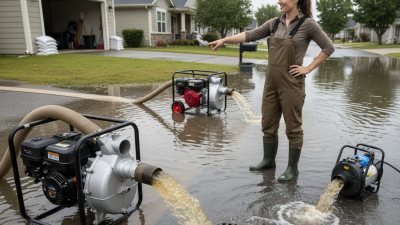
When it comes to choosing a water pump for flooding, understanding the two primary types—submersible and external pumps—is critical. Submersible pumps are designed to operate underwater. They are effective in removing water from flooded areas quickly. Their completely sealed components ensure safety and reliability. However, they can be harder to maintain and may require more frequent repairs due to their submerged nature.

On the other hand, external pumps work above the water's surface. They can handle larger volumes but may take longer to remove water. Their maintenance is generally easier since all components remain accessible. Additionally, external pumps are less vulnerable to overheating. Yet, they can be noisy and may not be suitable for small, enclosed spaces.

When selecting between these two types, consider your unique situation. Each pump has limitations. You should think about the volume of water, the space's nature, and ease of use. This decision is not straightforward. Your needs may vary and require reassessment. Understanding these nuances will guide you to the best option for your situation.

Evaluating Pump Capacity: GPM Requirements for Effective Flood Management

When evaluating pump capacity, determining the GPM, or gallons per minute, is crucial for effective flood management. GPM measures how quickly a pump can remove water. For flood scenarios, a higher GPM rating means faster water extraction, helping to mitigate damages. Calculate the volume of water to be removed and choose a pump that meets or exceeds those requirements.

Consider your environment. Look around your property. Are there open areas that collect water quickly? In such cases, you might need a pump with a higher GPM. Always assess the potential flooding risks in your area before making a selection.

For optimal performance, ensure the pump is positioned correctly. Keep the inlet clear of debris. Avoid potential blockages to maintain pump efficiency. Regular maintenance routines can also prevent malfunction. Check hoses for leaks or kinks. Performance issues often stem from overlooked details. Keep an eye out for these small but significant factors.

Top 10 Water Pumps for Flooding - Pump Capacity Analysis

This chart represents the flow rate (GPM) of various water pumps used for effective flood management. Knowing the required GPM helps in selecting the right pump for different flooding scenarios.

Energy Efficiency in Water Pumps: Importance of Motor Power Ratings

When selecting a water pump, understanding motor power ratings is vital. These ratings indicate energy efficiency, which affects both performance and operating costs. The U.S. Department of Energy states that energy-efficient pumps can reduce energy usage by up to 30%. This reduction can result in substantial savings over time, particularly for high-demand applications.

Motor power ratings also impact the lifespan of the pump. Higher efficiency motors generally run cooler and incur less wear. According to industry reports, properly sized pumps can last up to 25% longer when operated within their optimal efficiency range. This prolongs their service life, reducing replacement costs. However, many users still opt for underpowered solutions, failing to consider the implications for efficiency and longevity.

While energy efficiency is crucial, it shouldn't overshadow other factors in pump selection. The intended application and water type are essential. Users often overlook the importance of flow rate and head height when choosing a pump. Some may also mistakenly believe that all pumps are equally capable. Such assumptions can lead to poor performance and increased costs. It’s essential to analyze all aspects of the pump's capabilities for effective water management.

Factors Influencing Pump Longevity: Maintenance Tips and Best Practices

Maintaining the longevity of water pumps is crucial, especially in flood-prone areas. Regular maintenance can significantly extend a pump's life. Start by creating a routine check-up schedule. Inspecting seals, checking for blockages, and cleaning filters are essential steps. It’s easy to overlook these small tasks, but they have a big impact. Just a few minutes each month can prevent costly repairs later.

Proper lubrication of moving parts is often neglected. When pumps work hard during floods, friction increases. This can lead to overheating and wear. Use the recommended lubricants and apply them correctly. Balancing pump loads is another critical factor. Overloading can stress the motor and decrease efficiency. Understanding your pump's limitations is vital for optimal performance.

Environmental conditions also play a role in pump health. Dust, moisture, and temperature fluctuations can affect functionality. Storing pumps in a dry, stable environment helps alleviate these issues. After a flood, it’s easy to forget about the gear. Take the time to clean and store machinery properly after use. This protects your investment and ensures reliability for future use.

Top 10 Water Pumps for Flooding: How to Choose the Best? - Factors Influencing Pump Longevity: Maintenance Tips and Best Practices

Pump Model Max Flow Rate (GPM) Lift Height (Feet) Power Source Weight (lbs) Maintenance Tips
Model A 3000 25 Electric 50 Clean filters regularly
Model B 2500 30 Gasoline 75 Check oil levels before use
Model C 1500 20 Electric 45 Winterize in cold months
Model D 3500 40 Gasoline 65 Inspect hoses for leaks
Model E 2800 35 Electric 55 Replace worn parts
Model F 3600 50 Gasoline 80 Store in a dry place
Model G 2200 30 Electric 40 Lubricate moving parts
Model H 3900 45 Gasoline 70 Run periodically to prevent damage
Model I 3200 38 Electric 60 Keep the water clear of debris
Model J 4100 55 Gasoline 85 Service every season