A water hose pump is an essential tool for various fluid transfer tasks. It is designed to move water effectively through flexible hoses. Understanding how this device operates can greatly benefit those in gardening, construction, or even aquaculture.
These pumps utilize a simple yet effective mechanism. When activated, they create suction to draw water in and then push it out through the hose. Many users find them reliable, especially for draining pools or watering large gardens. However, challenges can arise, such as potential clogs or insufficient power for larger tasks.
It's crucial to choose the right type of water hose pump for your needs. Not all models suit every situation. Users should consider factors like hose length and water flow rate when making a selection. By understanding these aspects, one can maximize the benefits of a water hose pump while minimizing potential difficulties.
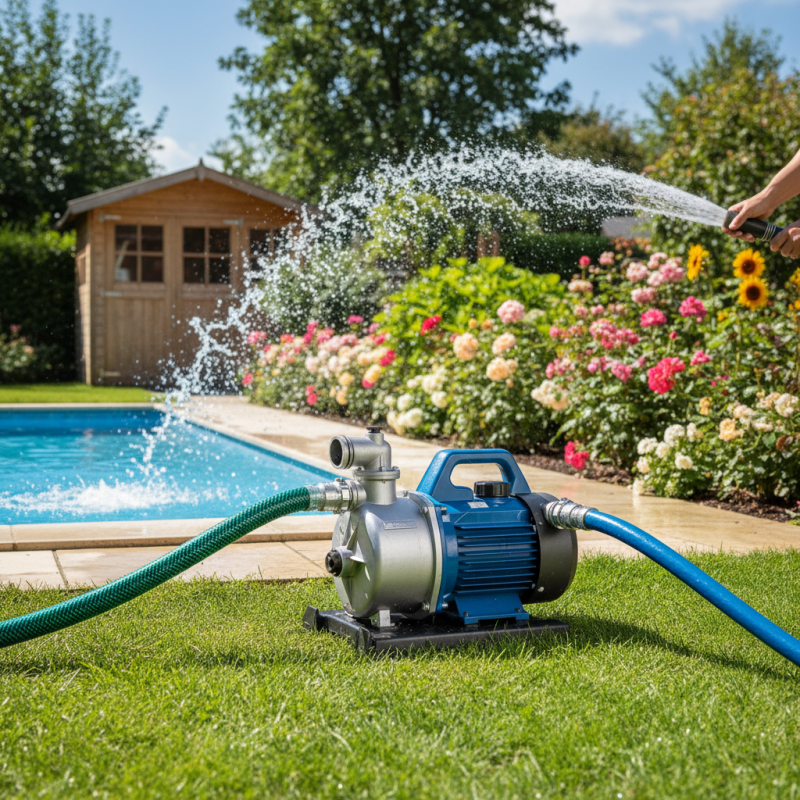
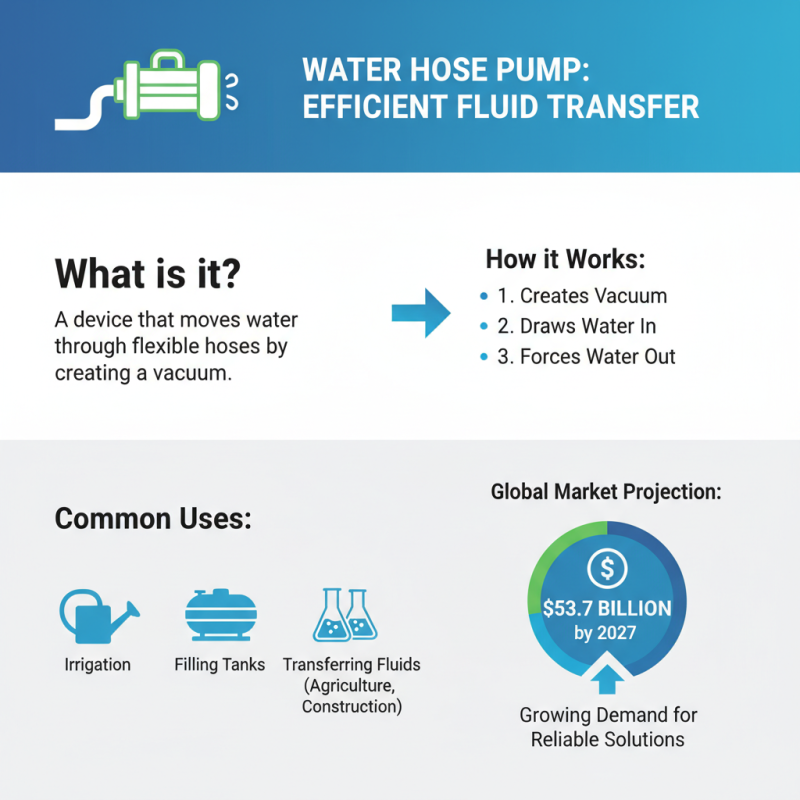
A water hose pump is a device designed to move water efficiently through flexible hoses. It operates by creating a vacuum that draws in water and forces it out through the hose. These pumps are often used for irrigation, filling tanks, or transferring fluids in various settings, including agriculture and construction. According to industry reports, the global market for water pumps is projected to reach $53.7 billion by 2027. This growth highlights the demand for reliable pumping solutions.
Choosing the right water hose pump involves understanding your specific needs. Consider factors such as flow rate and hose length. It's essential to choose a pump that can handle the volume of water required without overexerting. A mismatch could lead to pump failure or inefficiency. Tips to keep in mind include regular maintenance checks. Routine inspections can prevent unexpected breakdowns and prolong the pump’s lifespan.
When using water hose pumps, be mindful of the hose material and diameter. Thinner hoses may restrict flow, reducing efficiency. Also, different environments can impact performance. Some pumps may work well in dry conditions but struggle with muddy or rocky terrains. Reflect on the operational context to ensure the best results from your pump. Additionally, noise levels can vary, which is an often-overlooked factor when selecting a pump for residential use.
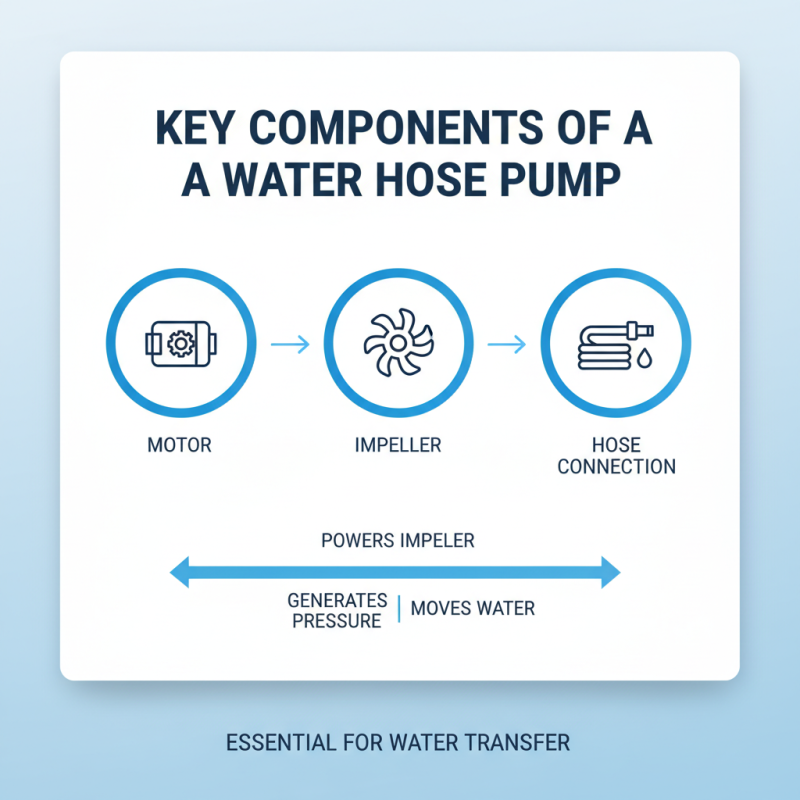
A water hose pump is an essential tool for various water transfer applications. At the heart of this device are key components that ensure effective operation. The pump typically consists of a motor, an impeller, and a hose connection. The motor powers the impeller, which generates the necessary pressure to move water through the hose. Understanding these components can help users choose the right pump for their needs.
One critical aspect of a water hose pump is the impeller. According to industry reports, impeller design significantly impacts the pump's efficiency and flow rate. Different types of impellers, like centrifugal and positive displacement, vary in their performance characteristics. This variation can affect the overall output of the pump, with some impellers providing higher flow rates under certain conditions. It’s important to evaluate your specific requirements when selecting an impeller type.
The hose connection also plays a vital role. Proper sizing and materials are crucial for preventing leaks and ensuring longevity. Many users overlook this aspect, resulting in inefficient performance. Common materials include rubber and polyurethane, each with pros and cons. Users should consider environmental factors that may lead to wear and tear. Understanding these components helps in making informed decisions that can enhance pump efficiency and reliability in the long run.
A water hose pump is a simple yet effective tool. It’s designed to move water efficiently through hoses. This pump utilizes a rotary mechanism to create pressure and facilitate water flow. It can handle various tasks, such as irrigation and draining. Users find it invaluable in settings like gardens, pools, and construction sites.
Understanding how a water hose pump operates is crucial for effective usage. It operates by drawing water into the pump chamber using suction. Once inside, the rotary elements move the water, pushing it out through the hose. The pump can create significant pressure, allowing it to move water to higher elevations or longer distances. A well-positioned pump can save time and energy during tasks.
Tips: Regular maintenance is essential. Ensure the hoses are not kinked. This can hinder water flow and reduce efficiency. When choosing a pump, consider its capabilities for your specific needs. Keep in mind that not all pumps are suitable for every application. Taking these considerations into account will help in achieving optimal performance.
Water hose pumps play a crucial role in various applications. They are often used in agriculture for irrigation purposes. These pumps can effectively transfer water over long distances. This is vital for crop maintenance, especially in areas with limited water sources.
Construction sites also benefit from water hose pumps. They can manage dewatering processes effectively during excavation. This helps keep work areas dry and safe. In the landscaping sector, these pumps support water features like fountains and ponds. They ensure a consistent flow, contributing to aesthetic designs.
Tips: Regular maintenance of hose pumps is essential. Inspect hoses for leaks or wear. Addressing these issues early can save money. Understanding the pump’s flow rate is also important. This helps ensure it meets specific project requirements. Proper usage maximizes efficiency in all applications.
As convenient as water hose pumps are, they can have limitations. Sometimes, they may not handle high-pressure applications. Users must evaluate their needs before choosing the right pump. Misuse can lead to inefficiencies. It's crucial to adapt to different scenarios for optimal performance.
Maintaining a water hose pump is crucial for its longevity and efficiency. Regular checks on the hose connections can prevent leaks. Ensure that all fittings are tight, as any loose connection may lead to a decrease in water pressure. Additionally, inspect the hose for any signs of wear or damage. A small crack can lead to significant performance issues.
Cleaning the pump regularly is essential. Before storing, flush out any debris or sediments. This simple step can extend the life of your pump. It's also wise to lubricate moving parts periodically. Proper lubrication helps reduce friction, which can cause wear over time.
Sometimes, even experienced users overlook the importance of seasonal maintenance. Before winter, drain the pump to avoid freezing damage. Keeping a maintenance log can help track your pump’s history. Reflecting on past issues can reveal patterns and prevent future problems. Regular maintenance is not just an option; it’s a necessity for optimal performance.
| Parameter | Description | Maintenance Tips |
|---|---|---|
| Pump Type | Water Hose Pump | Check hose connections regularly. |
| Flow Rate | Varies (typically 3-20 GPM) | Clean filter to maintain flow rate. |
| Power Source | Electric or Gas Powered | Inspect power cords and connections. |
| Common Uses | Irrigation, drainage, and cleaning | Regularly flush the system. |
| Lifespan | 5-10 years | Perform annual maintenance checks. |
Please enter the details to download, thank you
Get in Touch With Us
Please enter the details to download, thank you