Top Water Pump Types for Efficient Water Management Solutions?

Water management is a critical aspect of modern infrastructure. Efficient water pump solutions are essential for effective resource management. According to Dr. Emily Carter, a leading expert in hydrology, "Choosing the right water pump can significantly enhance water efficiency."

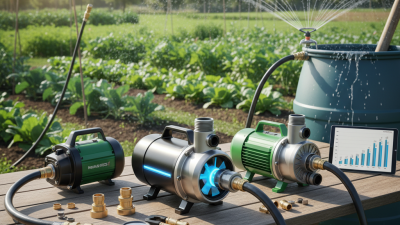
Different types of water pumps are available for various applications. Understanding these can lead to better decision-making. For instance, centrifugal pumps are commonly used in irrigation systems. They provide a reliable flow but may not be the best choice for every situation.

While many pumps excel in specific settings, not all are universally effective. It's important to evaluate the unique needs of each project. Some pumps can become less efficient over time, requiring maintenance or replacement. Making informed choices about water pumps is not just about technology; it's also about understanding natural water cycles and local environments. Balancing these factors can lead to more sustainable solutions in water management.
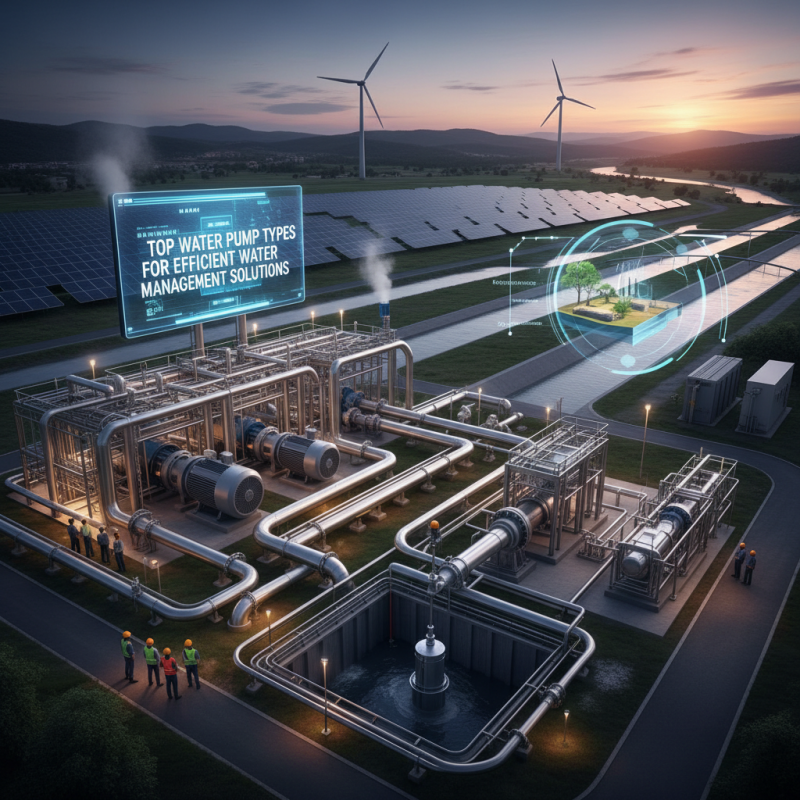
Top Water Pump Types for Efficient Water Management Solutions?

Overview of Water Pump Types and Their Applications

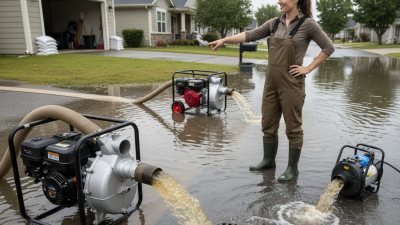
Water pumps are vital for effective water management. They help move water from one place to another. Different types of pumps serve specific needs. Centrifugal pumps are popular for their speed. They work by converting rotational energy into hydraulic energy. This makes them ideal for agricultural irrigation.

Submersible pumps are submerged in water. They are used for wells and drainage. Their design prevents any flooding. Another type, diaphragm pumps, are commonly used in chemical applications. They operate using the back-and-forth motion of a diaphragm, which offers precision.

Pumps are also used in wastewater treatment. In this context, positive displacement pumps are quite effective. They handle thick fluids well, though they require more maintenance. Understanding each type and its applications is key. It’s common to overlook maintenance needs, leading to efficiency issues. Proper care is essential for optimal performance. Each pump has strengths and weaknesses, and users must choose wisely.
Top Water Pump Types for Efficient Water Management Solutions

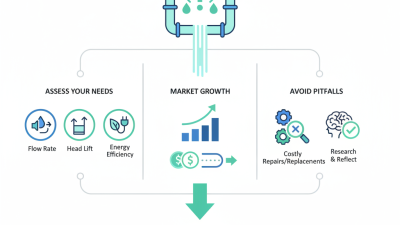
This chart provides an overview of the efficiency levels of different types of water pumps used in various applications. The data showcases the average efficiency percentage of centrifugal pumps, submersible pumps, and positive displacement pumps.

Factors Influencing the Selection of Water Pumps

Selecting the right water pump involves various crucial factors. One important aspect is the pump's intended use. Is it for agricultural irrigation, industrial applications, or residential purposes? Each application may demand different capacities and efficiency levels. The specific requirements will greatly influence the type of pump to choose.

Another factor to consider is the water source. For instance, pumps drawing from deep wells require different designs compared to those sourcing from lakes or rivers. The pump's efficiency also relies on the distance the water must travel. If it needs to ascend significantly, a more powerful pump is necessary. Additionally, understanding the water quality is essential. Sediment and debris can impact pump performance, leading to maintenance challenges.

Cost is another key consideration. A higher initial investment may lead to better long-term efficiency, but budget constraints often limit options. It’s important to weigh short-term savings against long-term reliability. Lastly, installation and maintenance ease should not be overlooked. Complex systems may require specialized skills, raising future costs. Reflecting on these factors is vital for effective water management solutions.

Benefits of Using Efficient Water Pumps for Management Solutions

Top Water Pump Types for Efficient Water Management Solutions?

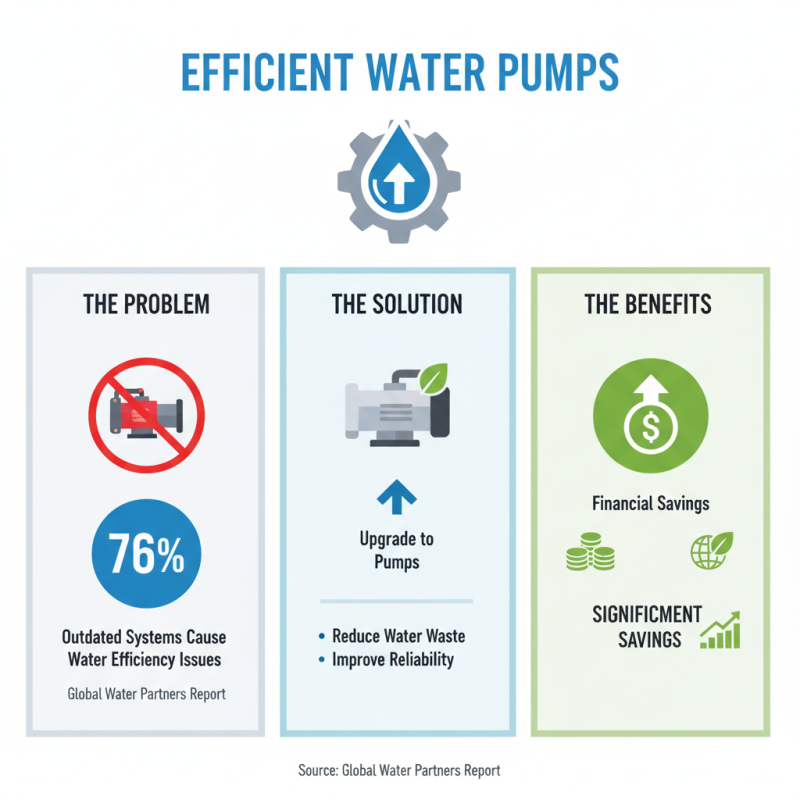
Efficient water pumps play a crucial role in managing resources effectively. According to a report by the Global Water Partners, 76% of organizations experience water efficiency issues due to outdated systems. Upgrading to efficient water pumps can significantly reduce water waste and improve reliability. This efficiency leads to noteworthy savings, both financially and environmentally.

Using efficient water pumps can cut energy consumption by up to 30%. This is vital in places where electricity costs soar. Furthermore, many newer models are designed to handle varying flow rates, enhancing adaptability. However, not all installations achieve optimal performance. Poor maintenance and incorrect setup can lead to inefficiencies.

Incorporating automated monitoring technology can help address these issues. Automation allows for real-time data collection. This data is essential for assessing performance and spotting potential problems early. A study by the Water Efficiency Alliance found that 45% of systems fail due to lack of monitoring. Addressing these challenges is essential for achieving long-term water management goals.

Maintenance and Care for Optimal Pump Performance

Proper maintenance of water pumps is crucial for ensuring optimal performance. Regular inspections can prevent costly breakdowns and extend the pump's lifespan. Reports show that a well-maintained pump can reduce energy consumption by up to 20%. Skipping routine checks often leads to unnoticed wear and tear, which can diminish efficiency over time.

Cleaning the pump and its components should be a priority. Dirt and debris can accumulate and disrupt the flow of water. A study indicates that nearly 30% of pump malfunctions are due to inadequate cleaning practices. It's worth reflecting on this statistic. Are you checking your pump's filters and screens? Neglecting them can cause bigger issues down the line.

Additionally, lubrication is key to pump maintenance. Proper lubrication reduces friction and wear. Yet, many users overlook this aspect. Studies have shown that periodic lubrication can enhance performance by 15%. If you haven't checked the lubricant levels recently, it's time to do so. Small actions lead to significant improvements in efficiency and reliability.

Innovations and Technological Advancements in Water Pumping Systems

Top Water Pump Types for Efficient Water Management Solutions?

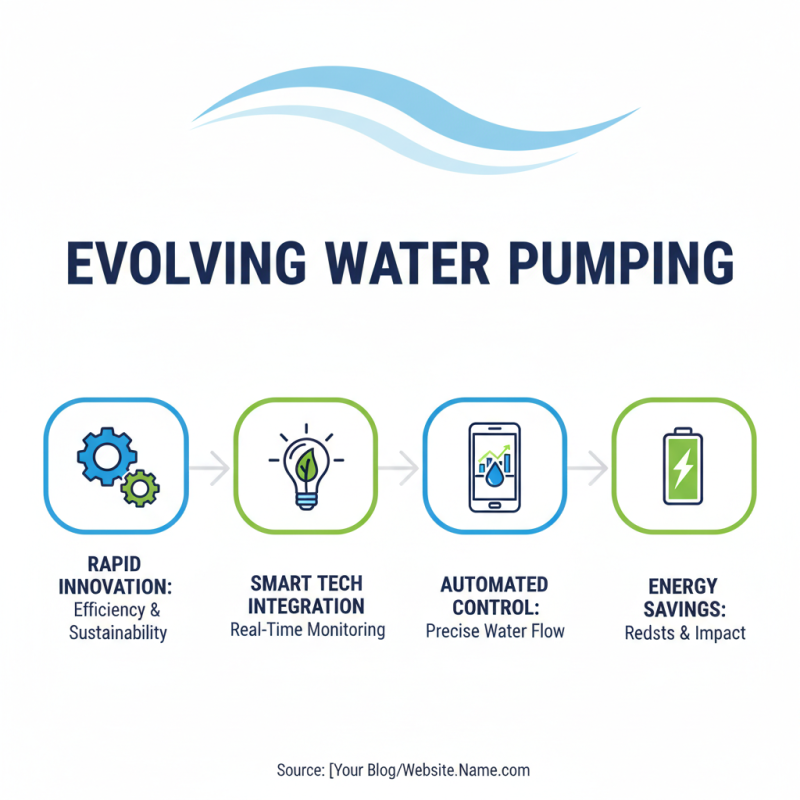
The landscape of water pumping systems is changing rapidly. Innovations are driving efficiency and sustainability in water management. Designers are now focusing on smart technology integration. This allows for real-time monitoring and automated control of water flow. Such advancements can lead to significant energy savings.

Energy-efficient pumps are becoming more common. These pumps use less electricity while providing the same output. Variable frequency drives adjust the pump speed as needed. This flexibility could lower costs, especially in large-scale operations. However, not all facilities can implement these technologies seamlessly. Upgrading existing systems can pose financial challenges.

Renewable energy sources are also being explored. Some systems now harness solar power for pump operation. This offers a sustainable alternative but requires initial investments. The reliance on weather can be unpredictable. Ensuring reliability in these systems remains a challenge. The need for continued research and development is crucial for future innovations in water pumping technology.