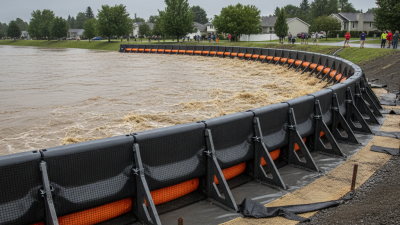
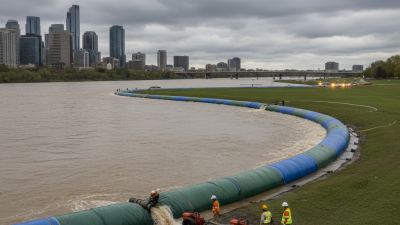
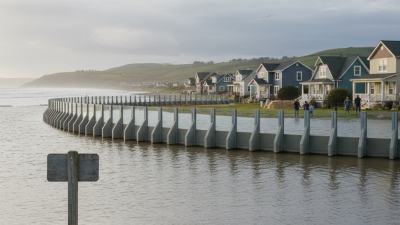
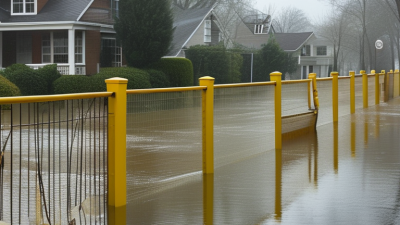
In today’s world, the demand for temporary water barriers is on the rise. These barriers play a vital role in flood management and disaster response. They offer immediate protection and can be deployed quickly in emergencies. Their effectiveness varies based on different conditions and locations.
As global buyers explore options in 2026, understanding the specifications of these barriers is crucial. Factors such as material durability, ease of installation, and portability should be considered. Temporary water barriers come in various designs, each suited to particular environments. Selecting the right type can be challenging yet critical.
Many suppliers offer various solutions, but not all meet high standards. Quality assurance is essential. Buyers need to weigh cost against effectiveness. It’s easy to overlook long-term impacts in favor of short-term gains. Therefore, careful research and expert advice are vital when choosing temporary water barriers.
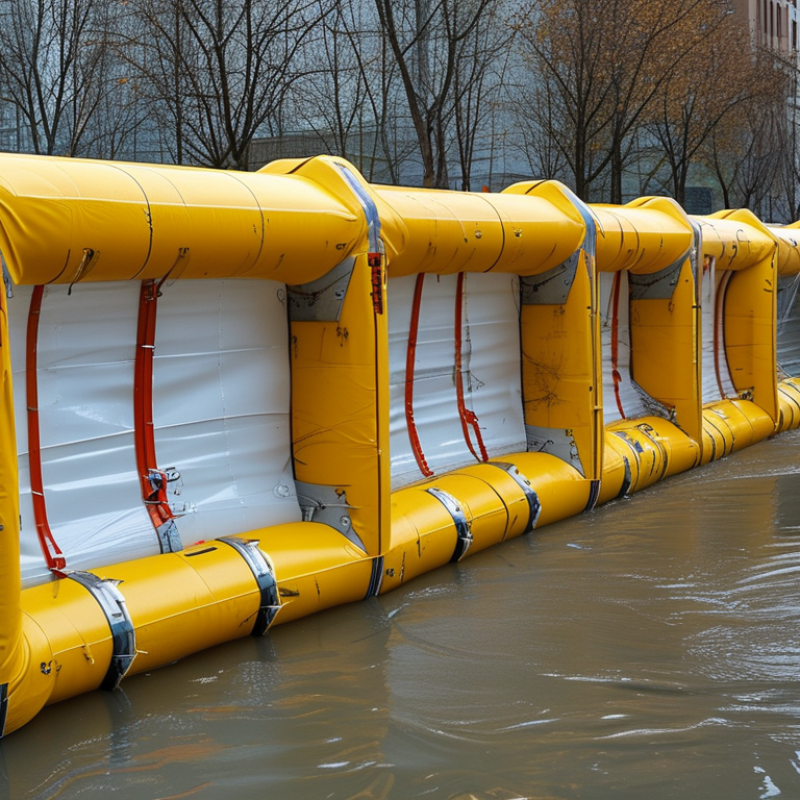
In 2026, the temporary water barriers market continues to evolve. With climate change and urban development, the need for effective flood protection rises. These barriers serve various sectors, including construction and disaster management. Their adaptability makes them essential in many situations. However, not all temporary barriers perform equally well under pressure.
Recent trends indicate a growing interest in eco-friendly materials. Many manufacturers are exploring sustainable raw materials. This shift reflects consumer demand for greener solutions. Still, challenges remain. The effectiveness of these materials often needs thorough testing in real-world conditions. Some barriers may fail to meet expected durability standards.
Consumers seek reliability as they confront increasing flood risks. The market presents diverse options, yet the choice can be overwhelming. It is crucial for buyers to assess performance, cost, and environmental impact. Informed decisions can promote better outcomes. However, potential buyers should remain cautious and demand transparency. Often, specifications and real-world results can differ. Balancing these aspects is vital for successful water management solutions.
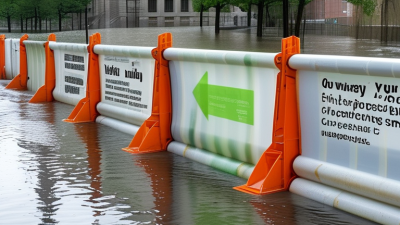
Temporary water barriers play a crucial role in flood management and construction projects. The materials used in their manufacturing significantly influence effectiveness and durability. Common choices include high-density polyethylene (HDPE), which offers robust resistance to chemicals and UV rays. This makes HDPE a popular selection for long-term use.
Another viable option is reinforced concrete, known for its strength and ability to withstand harsh environmental conditions. Concrete barriers usually require more installation time and effort. They can be cumbersome but provide excellent protection against high water levels. Additionally, sandbags remain a traditional yet effective choice, especially for quick deployment in emergency situations.
Yet these materials come with drawbacks. HDPE may wear down over time with exposure to UV light. Reinforced concrete requires a permanent setup, limiting portability. Sandbags, while effective, can be labor-intensive and less reliable in quickly changing weather conditions. Understanding these materials helps buyers make informed decisions on the right barriers for their needs. Flexibility and suitability can vary significantly based on specific project requirements.
The demand for temporary water barriers is rising globally. Many regions face challenges like flooding and heavy rains. These barriers provide essential protection, ensuring safety and minimizing damage. In areas prone to natural disasters, their importance cannot be overstated. A reliable barrier can significantly reduce the impact of water intrusion.
Understanding regional needs is crucial. For instance, coastal regions often require robust solutions due to storm surges. In contrast, urban areas may focus on quick deployment and ease of use. Statistics show a growing investment in temporary barriers across Asia and North America. This trend reflects the increasing awareness of climate change and extreme weather.
When considering temporary water barriers, look for user-friendly designs. Lightweight options make transport and installation easier. Additionally, consider the materials used. Some may offer better durability or environmental benefits. Regular assessments of local conditions can help in selecting the right type. Innovative designs are continually emerging, but not all may meet specific needs. Focus on what actually works in real situations.
| Region | Market Size (USD Million) | Growth Rate (%) | Key Applications | Environmental Compliance (% Compliance) |
|---|---|---|---|---|
| North America | 250.5 | 5.2 | Flood Control, Construction | 85 |
| Europe | 300.0 | 4.8 | Coastal Protection, Emergency Response | 90 |
| Asia-Pacific | 180.3 | 7.6 | Urban Flood Management, Infrastructure Projects | 75 |
| Latin America | 90.2 | 6.1 | Agricultural Water Management, Disaster Relief | 80 |
| Middle East & Africa | 70.0 | 5.0 | Oil Spill Response, Desert Flooding | 78 |
Innovative technologies are transforming the effectiveness of temporary water barriers. In recent years, advancements in materials have led to lighter, more durable options. These innovations allow for faster deployment during emergencies. For instance, new composite materials resist both punctures and UV damage. This durability enhances the barriers' longevity in challenging environments.
Smart sensors are also emerging within this field. These sensors monitor water levels in real time. They provide immediate alerts about potential breaches. This proactive approach allows for quicker responses. It addresses the urgent need for adaptability in flood-prone areas. Moreover, environmental considerations have gained importance. Biodegradable barrier options offer sustainable solutions. They reduce environmental impact while maintaining efficacy.
However, challenges remain. Some barriers still lack sufficient height for severe floods. Many users question their reliability in extreme conditions. Further testing and innovation are necessary to enhance overall performance. The field continues to evolve, highlighting the balance between effectiveness and sustainability. Encouraging collaboration among experts can lead to better solutions for global buyers.
The environmental impact of temporary water barriers is an essential consideration for global buyers. These barriers are often made from various materials, some of which can negatively affect ecosystems. Manufacturing processes may produce waste or use harmful chemicals. Buyers must evaluate the sustainability practices of manufacturers. Responsible production minimizes ecological footprints.
Innovative companies are adopting eco-friendly materials. Biodegradable options are becoming more popular. These materials break down naturally, reducing long-term waste. Production processes are evolving to reduce energy consumption and emissions. However, challenges remain. Not all producers prioritize sustainability, leading to inconsistent practices across the industry.
Consumers play a critical role in holding companies accountable. Awareness of environmental issues drives demand for sustainable solutions. Researching suppliers can uncover their commitment to eco-friendly practices. The industry must strive for transparency in production methods. This shift is vital for a greener future. However, achieving high standards in sustainability requires ongoing efforts and improvements.
Please enter the details to download, thank you
Get in Touch With Us
Please enter the details to download, thank you