How to Choose the Best Water Gate Flood Barrier?
Choosing the right water gate flood barrier begins with understanding the water, not admiring the product. A quiet stream can become a fast, deep current after intense rainfall. Street slope, doorway width, ground condition, and expected flood depth all influence the correct solution. Measure carefully.
Professor Hannah Cloke, a hydrologist and flood-risk expert, says, “We need to stop thinking of flooding as an exceptional event.” That view matters when comparing portable flood gates, modular barriers, and permanent systems. A useful barrier should match the site’s real risks, installation time, storage space, and maintenance capacity. Marketing claims alone are not enough.
Look for tested materials, clear height ratings, dependable seals, and documented installation procedures. Check whether one person can deploy the system during heavy rain. Imagine the details: muddy gloves, poor visibility, blocked drains, and water pressing against a garage door. Small weaknesses can become expensive failures.
Do not ignore the surface beneath the barrier. Uneven paving, loose gravel, or damaged concrete may reduce its performance. Ask suppliers for independent test evidence and realistic limitations. No product is perfect.
A careful choice also includes inspection after every flood event. Clean the panels, examine joints, and replace damaged seals promptly. This guide will compare the main barrier types, explain practical selection criteria, and identify common purchasing mistakes. Some recommendations may still require site-specific engineering advice. That uncertainty is worth acknowledging. A water gate flood barrier protects property only when its design, placement, and maintenance fit the actual flood environment.
Understanding Water Gate Flood Barrier Types and Their Uses
Choosing the best water gate flood barrier starts with understanding its type and intended use. Different barriers perform differently in shallow water, fast runoff, or repeated flooding.
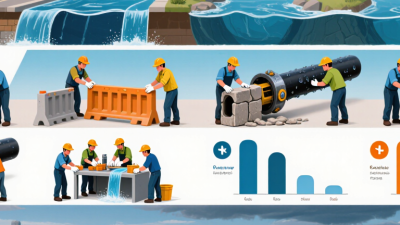
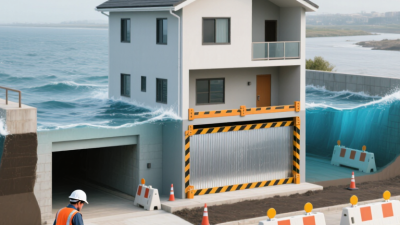
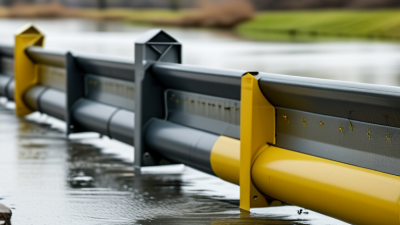
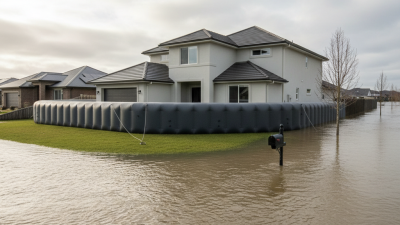
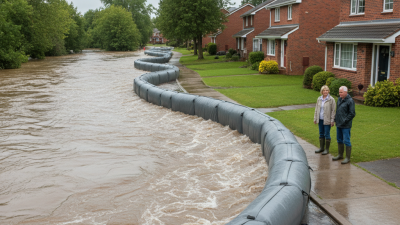
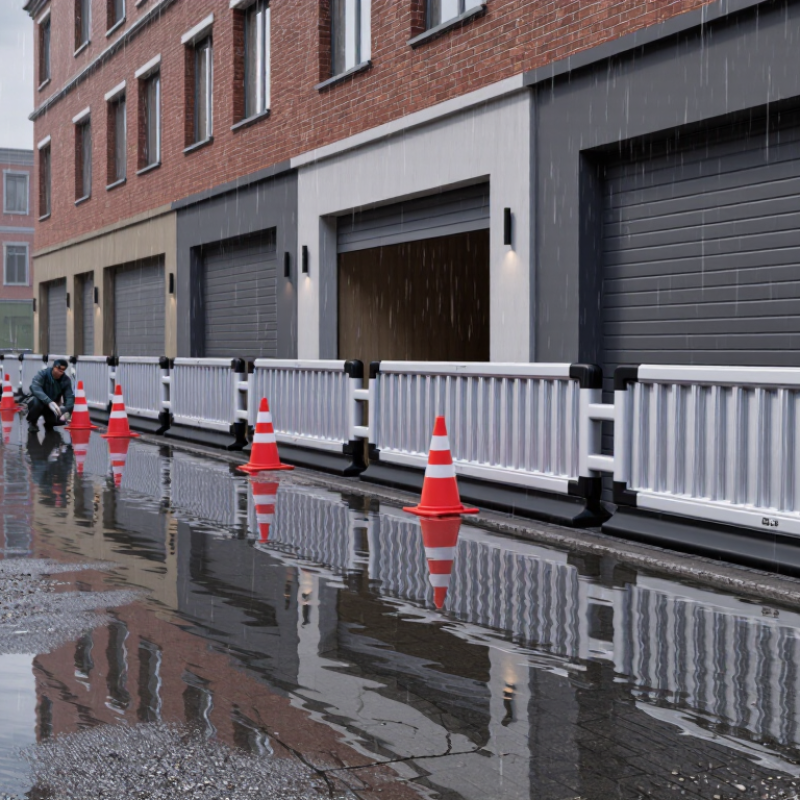
Self-activating barriers use rising water to create a seal. They suit doorways, garage entrances, and low commercial openings. Water-filled tubes cover longer boundaries, such as driveways or warehouse edges. Modular panel systems provide firmer protection around buildings, but they need accurate installation. They can be heavy.
During site checks, I look for gaps beneath doors, uneven pavement, and nearby drains. These details often decide whether a barrier works. A barrier designed for temporary rainwater may not resist strong flowing water. Always check its tested height, setup time, storage needs, and reuse limits. Do not rely on appearance alone.
Tips: Measure the opening before purchasing. Test the barrier on a dry day. Keep sand, debris, and sharp tools away from fabric seals. Inspect connectors after every use. Local flood maps and professional advice can reveal risks that product instructions cannot. I have seen small ground slopes redirect water around an otherwise well-positioned barrier. That mistake is easy to miss. Consider anchoring options, emergency access, and safe removal when the water falls. Some barriers need two people, despite looking simple.
How to Choose the Best Water Gate Flood Barrier?
Understanding water gate flood barrier types and their uses starts with comparing the protection height each type commonly provides. The chart uses representative, product-independent planning midpoints; actual performance depends on site conditions, installation quality, water pressure, and manufacturer specifications.
Quick guide: Sandbags are suitable for low-cost, temporary protection. Water-filled tubes can cover long, relatively straight areas. Modular flood panels provide greater height and more controlled installation, while self-rising barriers are useful where rapid deployment and limited storage space are priorities.
Assessing Flood Risks and Site-Specific Protection Needs
Choosing a water gate flood barrier starts with the site, not the product catalogue. The World Meteorological Organization’s State of the Global Climate 2023 reported a global average temperature 1.45°C above the 1850–1900 baseline. The IPCC states that heavy rainfall generally intensifies as air warms, although local results vary. A historical flood map may be useful. It is not the whole answer.
Measure likely water depth, flow speed, flood duration, and debris exposure at each entrance. Check slopes, drainage paths, underground openings, and nearby walls. A barrier designed for shallow ponding may fail against fast-moving water. A tall gate can also redirect water toward a weaker doorway. That is an uncomfortable detail. Still, it matters.
The United Nations Office for Disaster Risk Reduction has repeatedly linked rising disaster losses with growing exposure and vulnerable infrastructure. Use that evidence when setting a protection level. Record the shortest warning time, then test whether trained staff can install the system safely. Consider storage space, inspection intervals, replacement seals, and access for emergency vehicles. I would not trust a barrier based only on its advertised height. Laboratory performance may not reflect uneven pavement, blocked drains, or floating debris. Site trials, photographs, and independent engineering review provide stronger evidence. Mistakes remain possible. Planning should acknowledge them.
Evaluating Height, Seal Quality, Durability, and Maintenance
Choosing the best water gate flood barrier starts with matching its height to the actual flood risk.
Measure expected water levels, ground slope, and nearby drainage paths. A barrier that is too low can fail within minutes. One that is excessively high may create difficult access and extra installation pressure.
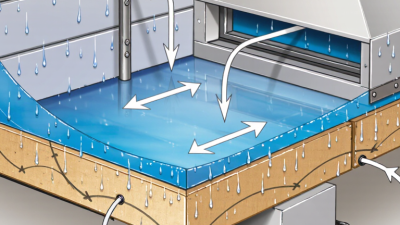
During site inspections, I check the seal along uneven concrete, paving joints, and door thresholds. Seal quality often matters more than appearance. Look for continuous contact, flexible materials, and secure side connections. Small gaps can admit surprising amounts of water. Test the barrier with controlled water when possible. Paper specifications help, but field conditions are less polite. That assumption is easy to make.
Durability depends on construction materials, impact resistance, and repeated use. Inspect hinges, locking points, panels, and fasteners for corrosion or distortion. A strong barrier should remain stable after storage, transport, and several installations. However, no system stays perfect without care. Maintenance should include cleaning grit from seals, checking cracks, lubricating approved moving parts, and replacing worn components promptly. Keep inspection records with dates and photographs. They reveal gradual changes that memory misses. I would also ask whether one person can install it safely, because an excellent design becomes unreliable when setup is rushed.
Selecting a Cost-Effective Barrier for Long-Term Flood Protection
How to Choose the Best Water Gate Flood Barrier?
Selecting a cost-effective flood barrier requires more than comparing purchase prices. NOAA reported 27 U.S. billion-dollar weather and climate disasters in 2024, costing about $182.7 billion. Repeated flooding can make a cheap barrier expensive through repairs, storage, labor, and business interruption. Calculate the five-year cost, not only the checkout price.
A water gate should match the expected flood depth, flow speed, installation surface, and warning time. FEMA’s Technical Bulletin 3-93 stresses that floodproofing systems need suitable site conditions, professional design, and regular maintenance. Check connection points, seals, drainage paths, and emergency access. A barrier that takes two workers and twenty minutes to install may be more practical than a heavier system requiring special equipment.
Maintenance matters more than many buyers expect. Inspect the barrier before each wet season, then test it after storage. Replace damaged seals promptly. Keep installation records and train more than one person. No barrier is maintenance-free. That assumption is costly. The U.S. Army Corps of Engineers recommends evaluating flood measures through lifecycle performance, including operation and maintenance expenses. I would also question impressive laboratory claims unless they match local site conditions. Water can rise around corners, through drains, or beneath poorly anchored sections. A professional flood assessment may cost more initially, but it can prevent an unsuitable purchase.
Sources: NOAA National Centers for Environmental Information, Billion-Dollar Disasters; FEMA Technical Bulletin 3-93; U.S. Army Corps of Engineers flood risk guidance.