China Top 10 Flood Gates Manufacturers for Global Buyers

Choosing reliable flood gates is not simply a matter of comparing factory prices. For global buyers, performance depends on sealing quality, corrosion resistance, lifting systems, installation support, and long-term maintenance. A gate protecting a coastal warehouse faces different demands from one installed beside a mountain reservoir. This guide introduces China’s top 10 flood gates manufacturers through a practical buyer-focused lens.

The selection considers manufacturing experience, product range, engineering capabilities, quality control, export service, and documented project performance. Attention is given to stainless steel and carbon steel options, hydraulic or electric actuation, emergency closures, and customized dimensions. Details such as rubber seal profiles, guide rails, drainage channels, and protective coatings can influence reliability more than attractive catalog images. They deserve careful review.

Real projects also reveal what brochures often omit. Lead times may change. After-sales support may depend on local technicians. Certification, testing records, drawings, spare parts, and installation instructions should be verified before purchase. A low quotation is not always economical when replacement work involves a busy industrial site or a public drainage channel. This overview aims to provide a credible starting point, not a substitute for technical due diligence. Manufacturer rankings can shift as capabilities, projects, and service networks develop. Buyers should request current evidence, compare specifications, and confirm whether each supplier can meet the required water pressure, opening size, operating frequency, and regional standards. Some evaluations remain difficult without site data. That limitation matters.
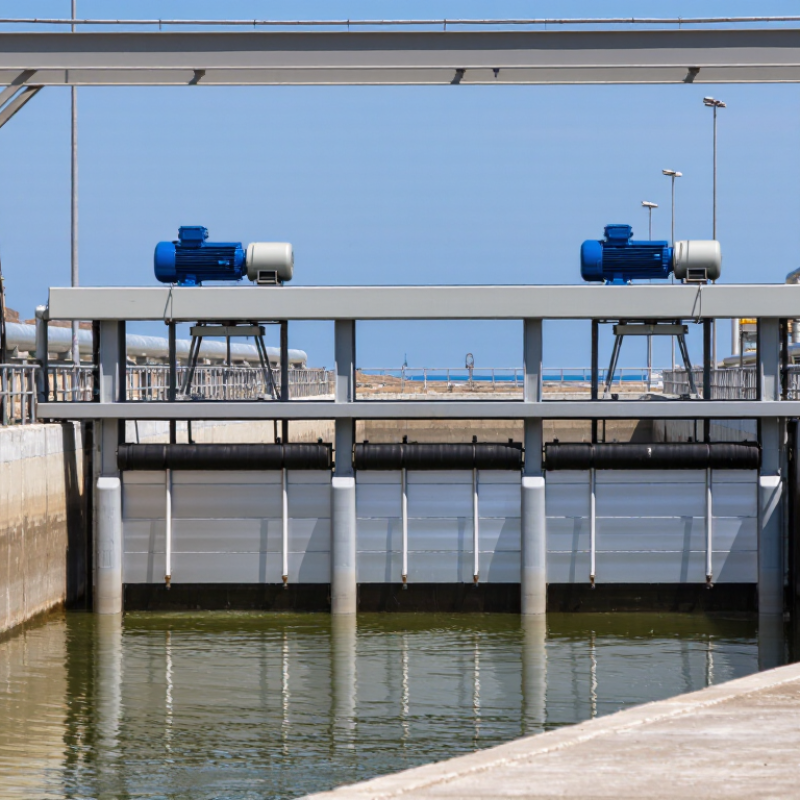
China Top 10 Flood Gates Manufacturers for Global Buyers

Flood Gate Manufacturing in China: Industry Overview and Product Types

China’s flood gate manufacturing industry serves irrigation, drainage, hydropower, and urban flood-control projects. Its manufacturing base combines steel processing, hydraulic engineering, welding, machining, and control-system integration. Factories range from large project contractors to specialized workshops. That diversity creates choices, but quality can vary.

Common product types include radial gates, vertical lift gates, slide gates, flap gates, and stop-log systems. Radial gates suit dams and reservoirs because their curved arms reduce lifting force. Vertical lift gates work well in narrow channels with limited operating space. Slide gates are practical for drainage outlets and smaller waterways. Flap gates open automatically under water pressure. Stop-log gates use removable sections for temporary flow control.

Carbon steel remains common for large structures, while stainless steel suits corrosive or frequently submerged environments. Protective coatings often include blast cleaning, primer, and multi-layer finishing. Reliable manufacturers usually provide load calculations, welding records, dimensional reports, and factory testing. Hydraulic cylinders, hoists, seals, and embedded parts also require careful coordination.

For global buyers, factory evaluation should include material traceability, weld inspection, assembly trials, and corrosion protection details. A clear drawing is essential. Yet drawings alone can miss difficult site conditions. Channel alignment, sediment, ice, and uneven concrete may affect operation. Some suppliers offer strong fabrication but weaker documentation. That gap deserves attention. Experienced buyers request installation guidance, spare seals, operating manuals, and realistic delivery schedules before placing an order.
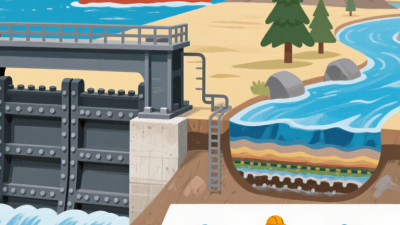
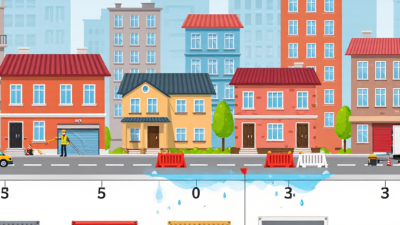
Key Criteria for Evaluating Chinese Flood Gate Manufacturers

Choosing a Chinese flood gate manufacturer requires more than comparing prices. Check engineering experience, production capacity, and documented quality controls. Site experience shows that poor sealing often causes trouble before structural failure appears. Ask for drawings, material certificates, welding procedures, and corrosion protection details. Stainless steel, coated carbon steel, and reinforced concrete gates suit different water conditions. The manufacturer should explain those choices clearly.

Tips: Request factory inspection records and sample test reports. Confirm whether each gate receives dimensional, leakage, and operation testing. Ask for photographs showing seals, hoists, guide rails, and weld inspections. Short answers deserve caution. Confirm delivery dates, spare parts, installation guidance, and technician support before signing. Do not rely on polished brochures alone.

Reliable suppliers can provide project references, traceable components, and clear responses to technical questions. Check whether their designs match local flood levels, debris loads, operating frequency, and applicable safety codes. Independent inspection can reduce risk, especially for large municipal projects. Communication matters too; unclear translations may hide important limitations. A manufacturer may be strong in fabrication but weak in after-sales service. That weakness is easy to overlook. Evaluate response time during technical discussions, not only after payment. A careful buyer should also record every assumption, because small omissions can become expensive site changes.

Key Criteria for Evaluating Chinese Flood Gate Manufacturers

Recommended procurement weighting for global buyers: performance and reliability receive the highest priority, followed by compliance, project delivery, lifecycle cost, and supplier support. The percentages represent a practical evaluation framework and total 100%.

China’s Top 10 Flood Gate Manufacturers for Global Buyers

China’s Top 10 Flood Gate Manufacturers for Global Buyers

China has become a major sourcing center for flood control equipment. Its leading ten manufacturers generally serve municipal, industrial, agricultural, and infrastructure projects. They produce slide gates, flap gates, penstocks, and custom water barriers. Buyers should examine engineering experience, material traceability, and export documentation before comparing quotations. A low price can hide costly installation problems.

Reliable manufacturers usually provide hydraulic calculations, fabrication drawings, welding records, and factory inspection support. Look for gates made from corrosion-resistant steel, ductile iron, or reinforced composite materials. Sealing performance matters most around uneven channels and changing water levels. Ask for leakage test results. Request photos of completed installations. Factory visits can reveal machining capacity, coating quality, and assembly discipline.

Communication is another practical test. Strong suppliers explain tolerances, actuator options, maintenance intervals, and site conditions in clear language. They should also adapt drawings to local engineering requirements. Not every impressive catalog reflects real project experience. That is worth remembering. Some suppliers may offer excellent fabrication but weaker after-sales support. Others may respond quickly but lack detailed testing records. Global buyers can reduce risk by checking references, reviewing contracts carefully, and arranging independent inspections before shipment.

China Top 10 Flood Gates Manufacturers for Global Buyers

Rank Manufacturer Profile Primary Manufacturing Region Main Flood Gate Products Typical Gate Configuration Common Materials Typical Supply Range Relevant Standards or Specifications Typical Applications Global Buyer Support
1 Manufacturer Profile 01 Jiangsu, China Slide gates Sluice gates Stop logs Manually operated or electric hoist-operated vertical gates for open channels and drainage structures. Carbon steel, stainless steel, ductile iron, EPDM sealing components. Custom openings from approximately 300 mm to 6,000 mm. Project specifications may reference ISO 9001 quality systems, EN 1090 fabrication requirements, and water-control authority standards. Drainage pumping stations, irrigation channels, flood-control reservoirs, and municipal waterways. Engineering drawings, load calculations, export packing, and remote commissioning support.
2 Manufacturer Profile 02 Shandong, China Flap gates Tide gates Backflow gates Buoyancy-assisted or hinged gates designed to close automatically during reverse flow or high tide. Stainless steel, carbon steel with protective coating, HDPE seals, marine-grade fasteners. Commonly supplied from 400 mm to 5,000 mm diameter or width. Designs are commonly checked against hydraulic calculations, corrosion requirements, and project-specific coastal engineering codes. Coastal outfalls, stormwater discharge points, river embankments, and urban flood channels. Metric and imperial drawings, corrosion-protection options, and container-loading plans.
3 Manufacturer Profile 03 Zhejiang, China Penstock gates Rising spindle gates Embedded frames Wall-mounted or embedded-frame penstocks with non-rising or rising spindle operation. 304 or 316 stainless steel, coated carbon steel, bronze or stainless steel stems. Typical clear openings from 200 mm to 4,000 mm. Commonly manufactured to approved shop drawings with leakage, weld, coating, and dimensional inspection requirements. Water-treatment plants, sewage systems, reservoirs, culverts, and flood diversion structures. Bilingual technical documents, spare-seal kits, installation manuals, and factory inspection coordination.
4 Manufacturer Profile 04 Hebei, China Radial gates Tainter gates Hydraulic gates Curved gates supported by radial arms and operated by hydraulic cylinders or wire-rope hoists. Structural carbon steel, stainless-steel skin plates, bronze bushings, polyurethane seals. Project-specific spans from approximately 2,000 mm to more than 15,000 mm. Structural design normally follows project load cases, welding procedures, hydraulic calculations, and local dam-safety requirements. Large reservoirs, hydroelectric facilities, flood-release channels, and river-control projects. Heavy-fabrication planning, split-shipment options, site assembly guidance, and inspection documentation.
5 Manufacturer Profile 05 Anhui, China Vertical lift gates Emergency gates Maintenance gates Upward-lifting flat gates operated by electric hoists, hydraulic units, or wire-rope systems. Welded carbon steel, stainless-steel sealing surfaces, neoprene or EPDM seals. Common clear widths from 1,000 mm to 10,000 mm, subject to lifting capacity. Fabrication may include qualified welding procedures, non-destructive testing, coating inspection, and lifting-equipment checks. Flood barriers, canal headworks, navigation structures, intake facilities, and spillway systems. Motor and control-panel matching, duty-cycle review, packing for oversized cargo, and technical after-sales support.
6 Manufacturer Profile 06 Hubei, China Stoplog systems Bulkhead gates Temporary barriers Removable stacked panels or bulkhead sections installed in vertical guides for flow isolation. Aluminium alloy, carbon steel, stainless steel, replaceable rubber seals. Panel heights commonly range from 300 mm to 2,000 mm; overall openings are project-specific. Design is generally based on hydrostatic loading, deflection limits, lifting-point safety, and site access conditions. Dam maintenance, canal isolation, emergency drainage works, and pumping-station servicing. Sectional packaging, lifting accessories, installation drawings, and replacement-part availability.
7 Manufacturer Profile 07 Fujian, China Stormwater gates Urban flood gates Flap valves Compact hinged, flap, or slide gate assemblies for stormwater networks and urban drainage outlets. 316 stainless steel, powder-coated or epoxy-coated steel, EPDM and nitrile seals. Common municipal sizes from 200 mm to 3,000 mm. Product selection normally considers backpressure, flow velocity, sealing performance, corrosion exposure, and maintenance access. Urban drainage, underground detention systems, flood-prone roads, and coastal stormwater networks. Compact export packaging, CAD files, installation guides, and customization for municipal connection details.
8 Manufacturer Profile 08 Guangdong, China Flood barrier gates Watertight doors Deployable barriers Manually deployed, hinged, sliding, or removable barriers for buildings, tunnels, and industrial sites. Aluminium alloy, stainless steel, galvanized steel, silicone or EPDM sealing profiles. Individual barrier sections commonly range from 500 mm to 3,000 mm in width. Performance is typically verified by water-head calculations, seal compression checks, anchoring design, and site-specific testing. Basements, commercial entrances, underground car parks, utility rooms, and transport facilities. Site-measurement templates, modular shipping, installation training, and replacement-seal supply.
9 Manufacturer Profile 09 Sichuan, China Hydraulic control gates Spillway gates Flush-bottom gates Hydraulically operated gates for regulating discharge, sediment flushing, and reservoir water levels. Heavy structural steel, stainless-steel wear plates, bronze or composite bearing materials. Custom assemblies from approximately 1,000 mm to 12,000 mm wide. Design commonly incorporates hydraulic transients, vibration review, structural fatigue, coating systems, and dam-operation criteria. Hydropower stations, mountainous reservoirs, irrigation dams, and sediment-management facilities. Hydraulic-system integration, factory acceptance testing, commissioning documentation, and project logistics support.
10 Manufacturer Profile 10 Liaoning, China Industrial isolation gates Slide valves Custom flood-control gates Heavy-duty slide or knife-style isolation gates for high-frequency operation and harsh environments. Carbon steel, 304 or 316 stainless steel, abrasion-resistant plate, EPDM or nitrile seals. Typical industrial openings from 150 mm to 4,500 mm. Procurement commonly specifies pressure rating, leakage class, actuator duty, weld inspection, coating thickness, and material traceability. Industrial drainage, mining sites, power plants, wastewater facilities, and flood-protection infrastructure. Custom actuator selection, material certificates, inspection reports, export crating, and spare-component support.

Note: Dimensions, materials, operating methods, and applicable specifications are typical project ranges for Chinese flood-gate manufacturing and should be confirmed against the final hydraulic design, site conditions, and buyer’s technical requirements.

Comparison of Products, Certifications, Capacities, and Export Services

China Top 10 Flood Gates Manufacturers for Global Buyers

When comparing China’s top ten flood gate manufacturers, buyers should assess products beyond price. Common options include sluice gates, flap gates, radial gates, and stainless-steel slide gates. Each design suits different water levels, channel widths, and flow conditions. Ask for tested load data, sealing performance, corrosion resistance, and service life. A gate may look robust, yet its lifting system could be under-sized.

Certifications reveal manufacturing discipline. ISO 9001 supports quality control, while CE documentation may assist projects serving European markets. Material certificates, weld inspection records, dimensional reports, and factory test results are equally important. Compare production capacity through monthly output, maximum gate dimensions, machining equipment, and hydraulic testing facilities. Export service also matters. Reliable manufacturers usually provide technical drawings, installation guidance, reinforced packing, spare-part lists, and remote commissioning support. Experience with different ports and customs documents can prevent costly delays.

Tips: Request a sample inspection plan before signing. Confirm the rated water head, operating cycles, coating system, and replacement seal availability. Ask whether factory data reflects real testing or only design calculations. No supplier is perfect. Some documents may need independent verification, especially for large infrastructure projects. Buyers should also check communication speed, drawing revisions, and responsibility for on-site adjustments. Small gaps here can become serious costs after shipment.

How to Select and Purchase the Right Chinese Flood Gate Manufacturer

Selecting a Chinese flood gate manufacturer begins with the site, not a sales brochure. Record opening width, sill level, design head, flow speed, debris load, and operating frequency. A coastal outlet may need corrosion-resistant materials. A mountain channel may demand faster closing and stronger anchorage. Ask for drawings, load calculations, material certificates, and a maintenance schedule. Clear documents reveal engineering discipline.

Shortlist manufacturers with comparable projects, documented factory capacity, and an in-house quality team. Request recent inspection records, weld procedures, coating thickness reports, and hydraulic test videos. Better still, arrange an independent pre-shipment inspection. Check whether dimensions match approved drawings. Small deviations can cause large leakage. Do not rely on polished photographs alone.

Before purchasing, define every commercial detail in writing. Include gate type, actuator duty cycle, control voltage, spare parts, packaging, delivery terms, warranty response, and acceptance criteria. Require a sample calculation for emergency operation and manual override. Ask who handles commissioning and remote troubleshooting. The cheapest quotation may exclude installation tools or corrosion repairs. That mistake is expensive. A factory visit can expose practical weaknesses. Look at storage conditions, machining accuracy, and traceability marks. Speak with the production supervisor, not only the sales representative. Compare three quotations using identical specifications. My own preference has sometimes been too conservative, increasing cost without improving safety. Recheck critical assumptions with an independent engineer.