How to Choose Flood Gates in 2026?

How to Choose Flood Gates in 2026? The decision is becoming more technical, not merely more expensive. Climate volatility, urban growth, and aging drainage systems are changing the conditions that flood gates must withstand. The World Meteorological Organization’s State of Global Water Resources 2023 reported widespread hydrological extremes, including unusually high river flows and severe water shortages. The World Bank also identifies resilient infrastructure as a practical investment, especially where flood losses repeatedly affect homes, transport, and industry.

The right flood gates should match the site, not a sales brochure. Start with flood depth, flow velocity, debris impact, closure time, foundation strength, and maintenance access. A gate protecting a basement entrance may face slow water and floating bins. A barrier beside a river may encounter fast currents, sediment, and tree branches. Professor Paul Bates, a leading flood-risk researcher and founder of Fathom, has described flood risk as “a combination of hazard, exposure and vulnerability.” That principle matters here.

No gate is perfect. Installation errors can defeat strong materials. Neglected seals can leak. A manual system may fail during evacuation pressure. This guide therefore considers certification, tested performance, lifecycle cost, drainage integration, and staff training. It also questions easy promises. A lower purchase price may hide expensive inspections later. A technically impressive gate may still be unsuitable for a narrow doorway. In 2026, choosing flood gates means balancing engineering evidence with real-world experience, while admitting that local conditions can challenge even careful predictions.
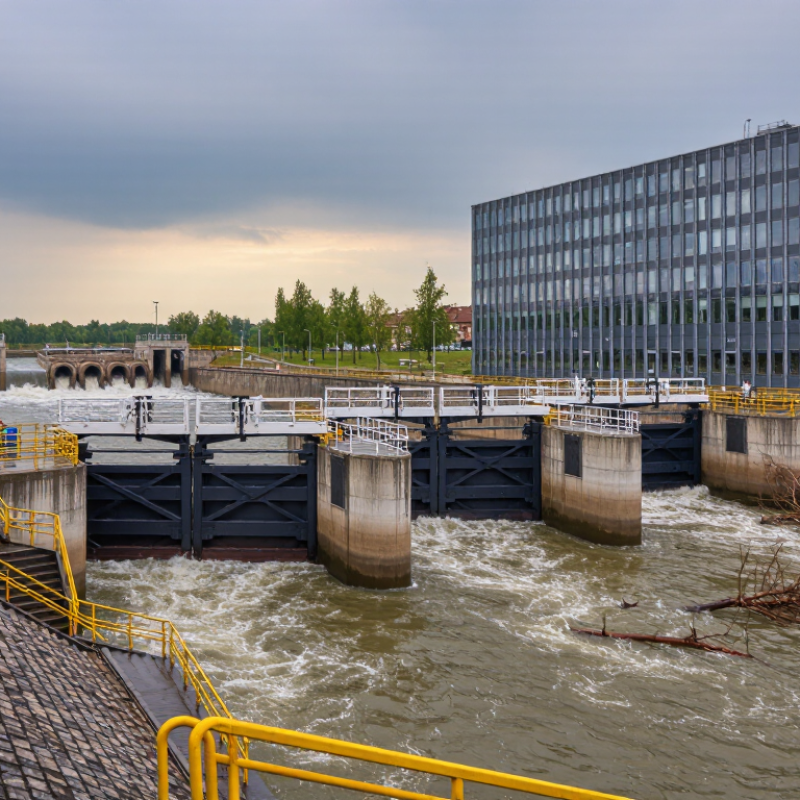
How to Choose Flood Gates in 2026?

Flood Gate Types and Their Operating Principles

Choosing flood gates in 2026 requires more than comparing advertised water depths. The gate must match the opening, flood speed, debris risk, and available installation space. In field inspections, a poorly sealed threshold often causes more trouble than the gate panel itself. Measure the sill carefully.

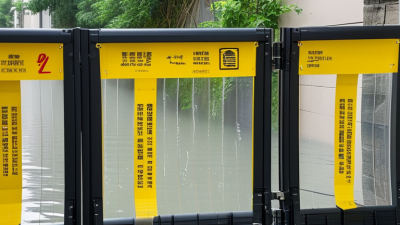
Demountable flood gates use removable panels fitted into permanent side channels. They suit doorways and vehicle entrances that stay open daily.

Swing gates rotate on hinges and close across wider openings. Their seals compress against a frame when locked.

Sliding gates move horizontally along tracks, but mud can restrict movement.

Self-closing buoyant gates rise as floodwater enters a chamber. They need accurate buoyancy calculations and regular cleaning.

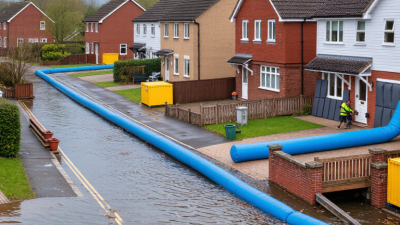
Inflatable barriers rely on air pressure and flexible fabric. They deploy quickly, yet sharp debris may damage them.

Operating principles determine maintenance and reliability.

Manual systems work during power failures, but they require trained staff and physical effort.

Electric or hydraulic systems close faster, although batteries, controls, and backup releases need testing.

Water pressure increases with depth, so anchors and frames must transfer loads into sound concrete.

Sensors can report rising water and gate position. They cannot replace visual inspection.

No gate is perfect. I have seen corrosion, blocked drains, and forgotten locking pins defeat otherwise suitable designs. Specify tested performance, clear emergency procedures, and accessible spare parts. Review the site after each flood, because real water behaves less neatly than drawings.
Assessing Site Conditions and Flood Risks

How to Choose Flood Gates in 2026? Assessing Site Conditions and Flood Risks

Flood-gate selection should begin with the site, not the product catalogue. Map nearby rivers, drainage channels, coastal edges, basements, and low entry points. Check ground levels against predicted flood depths. A difference of only 150 millimeters can determine whether water reaches electrical equipment. Soil type also matters. Soft or saturated ground may reduce anchoring strength during prolonged flooding.

The World Meteorological Organization’s State of the Global Climate 2023 reported a record global mean sea-level rise rate of 4.77 millimeters annually from 2014 to 2023. The IPCC’s Sixth Assessment Report warns that extreme coastal water levels once considered rare may occur annually by 2100 at many locations. These findings make historical flood marks useful, but insufficient. Assess rainfall intensity, tide cycles, wave action, debris impact, and drainage backflow. Include climate projections where reliable local data exists.

Small details often decide performance. Measure the opening at several points, not just the top and bottom. Inspect wall cracks, uneven thresholds, hinges, seals, and nearby utilities. A gate designed for shallow ponding may fail against fast-moving water. Temporary barriers can also become unstable when vehicles or floating debris strike them. Risk assessments are never perfect. Local records may be incomplete, and projected rainfall can vary widely. That uncertainty should encourage stronger inspection routines, realistic maintenance intervals, and professional hydraulic review before installation.

How to Choose Flood Gates in 2026? Assessing Site Conditions and Flood Risks

FEMA flood-zone classifications indicate the estimated annual probability of flooding. Use the hazard level together with site elevation, expected flood depth, flow velocity, debris exposure, and available anchoring points when selecting a flood gate.

High-priority assessment

For A, AE, and AH zones, confirm the Base Flood Elevation and keep the gate system above the expected water level.

Site conditions

Check wall strength, opening dimensions, threshold level, drainage paths, utilities, and emergency access before installation.

Design warning

Flood probability alone is not enough. Depth, velocity, wave action, and floating debris may require a stronger gate design.

Source: FEMA flood-zone definitions. Percentages represent the stated annual-chance flood classifications; local studies and site surveys should be used for final gate sizing.

Comparing Materials, Sizes, and Protection Levels

How to Choose Flood Gates in 2026? Materials, Sizes, and Protection Levels

Flood-gate selection should begin with measured risk, not appearance. The WMO State of the Global Climate 2023 reported a record global mean sea-level rise rate of 4.77 millimeters annually from 2014 to 2023. The IPCC projects 0.28 to 1.01 meters of rise by 2100, depending on emissions. These figures make future clearance important. A gate should exceed the expected water depth, but not by a random margin.

Aluminum gates are light, corrosion-resistant, and practical for frequent installation. Steel offers greater impact resistance, yet it needs reliable coating and inspection. Composite panels resist moisture well, although their long-term performance depends on joints and reinforcement. I have seen failures begin at seals, not panels. The smallest gap can admit surprising pressure.

Measure the full opening, including uneven floors and side walls. A 1.2-meter doorway may need a gate wider than 1.2 meters for secure anchoring. Protection levels should state water depth, exposure time, debris impact, and allowable leakage. FEMA floodproofing guidance emphasizes load paths and structural connections, not panels alone. This is often overlooked. A stronger gate cannot compensate for weak masonry. Test the installed system annually, especially after freezing weather or a flood. Some specifications still look precise but ignore maintenance access, which is an uncomfortable design flaw.

Reviewing Installation, Maintenance, and Safety Requirements

Choosing flood gates in 2026 requires more than comparing barrier heights. Installation quality often determines performance. The WMO State of Climate Services 2021 reported a 134% rise in flood-related disasters since 2000. That trend makes site-specific planning essential.

Measure the opening at several points, not just once. Concrete floors can vary by millimetres. Record width, threshold level, wall strength, and likely water depth. A qualified engineer should check hydrostatic pressure and anchorage.

FEMA Technical Bulletin 3 advises that floodproofing systems need engineered details, reliable closures, and protection against leakage. Keep doorways, drains, and emergency escape routes usable. A gate that blocks evacuation is not a complete safety solution.

Maintenance needs a written schedule. Inspect seals for cracking, hinges for stiffness, and fixings for corrosion before each wet season. Operate the gate under supervision. Do not wait for an emergency. The UK CIRIA flood resistance guidance stresses inspection, testing, and user training as part of property-level resilience.

Store removable panels above expected flood levels, with clear labels and two-person lifting procedures. Keep inspection photographs and repair records. Small failures matter.

In practice, neglected seals are easy to overlook, especially after a dry year. Water pressure can expose that mistake within minutes. Davis, a hypothetical facility manager, might prefer monthly checks; annual checks are rarely defensible for critical sites.

Evaluating Costs, Standards, and Long-Term Value

How to Choose Flood Gates in 2026?
Evaluating Costs, Standards, and Long-Term Value

Flood gate prices vary widely, but the purchase price tells only part of the story. Installation may require reinforced walls, drainage changes, electrical work, or specialist surveys. Ask for a cost breakdown before comparing quotations. A gate that costs less may need frequent adjustment after heavy rain. That saving can disappear quickly. Include inspection, cleaning, replacement seals, storage, and staff training in the five-year budget. Concrete details matter, such as a 2.5-metre opening or repeated water exposure.

Standards should guide the decision, not decorate the specification sheet. Check whether the gate has documented testing for water pressure, corrosion, impact, and repeated operation. Confirm the tested dimensions and installation conditions. They must match your site. Local building rules, flood-risk requirements, and emergency access provisions may also apply. Request traceable test records and clear maintenance instructions. Vague claims deserve careful questions. Compliance alone does not guarantee good performance.

Long-term value depends on reliability during stressful conditions. A manual gate may suit a small property with trained staff, while a larger site may need monitored operation and backup power. Review access routes, warning systems, and failure procedures each year. Field inspections often find blocked channels, damaged seals, or stored equipment in the wrong place. These problems are ordinary, but expensive. I would not treat a clean first-year inspection as proof of success. Flood patterns change, budgets tighten, and every site has weaknesses that deserve honest review.

How to Choose Flood Gates in 2026? - Evaluating Costs, Standards, and Long-Term Value

Flood-Gate Option Typical Application Indicative 2026 Installed Cost* Typical Design Life Deployment / Operation Key Standards and Guidance Long-Term Value Considerations
Removable Door Barrier Individual doors, loading bays, storefronts, and small commercial openings. Approximately US$1,500–US$8,000 per opening, depending on width, height, anchorage, and installation complexity. About 20–30 years with suitable storage, inspection, and seal replacement. Manual installation; commonly requires two or more trained operators for larger openings. Deployment may take several minutes to over one hour. Project-specific structural design; flood-resistant construction guidance from FEMA and local building regulations; anchorage should be checked using applicable ASCE 7 criteria. Low capital cost and easy storage, but labor availability and warning time can limit reliability.
Permanent Swing or Sliding Gate Vehicle entrances, service yards, industrial sites, and perimeter openings requiring frequent access. Approximately US$15,000–US$75,000 per opening, excluding major civil works and utility relocation. About 25–40 years; hinges, seals, coatings, and actuators may require earlier renewal. Manual or powered operation. Electric or hydraulic systems need backup power and an emergency manual override. ASCE 7-22 for applicable environmental and flood loads; AISC or Eurocode structural design provisions where applicable; local drainage and floodplain requirements. Higher upfront cost, but strong value where access is frequent and rapid closure is important.
Self-Closing Flood Gate Channels, culverts, drainage outlets, and locations where rising water can activate the gate automatically. Approximately US$20,000–US$120,000 per installation, depending on opening size, foundation, and hydraulic conditions. About 30–50 years for the main structure with scheduled seal and bearing maintenance. Designed to close through buoyancy, water pressure, or controlled mechanics; routine functional testing remains necessary. Hydraulic and structural design should follow applicable USACE, FEMA, local flood-control, and watercourse authority requirements. Reduces dependence on staff response, but requires careful analysis of debris, backflow, scour, and maintenance access.
Deployable Modular Barrier Temporary protection for roads, campuses, public facilities, and long linear boundaries. Approximately US$150–US$600 per linear metre for the barrier system; logistics, storage, labor, and foundations can substantially increase project cost. About 15–30 years, depending on materials, UV exposure, handling frequency, and storage conditions. Requires advance deployment, trained crews, equipment, and a documented emergency plan. Closure time varies from several hours to multiple days for long boundaries. Flood barriers should be evaluated against relevant FEMA guidance, local emergency-management requirements, and project-specific structural loading criteria. Efficient for occasional events and long perimeters, but annual drills and storage logistics are essential to dependable performance.
Permanent Floodwall with Closure Gate Critical infrastructure, waterfront facilities, transport corridors, and sites requiring continuous protection. Approximately US$2,000–US$10,000 per linear metre for the gate and wall system; difficult ground conditions and land acquisition can raise total project cost significantly. Typically 50–75 years for civil works when properly designed and maintained; mechanical closure components may have shorter replacement cycles. Usually manual, motorized, or hydraulically operated. Requires inspection, corrosion control, drainage, and emergency power planning. USACE engineering guidance, FEMA flood-risk requirements, ASCE 7-22, ACI concrete provisions, and applicable national or regional design codes. Highest capital commitment, but generally offers the greatest reduction in dependence on emergency labor and short warning times.
Inflatable or Tube Barrier Short-term protection for relatively smooth surfaces, event areas, temporary works, and selected emergency applications. Approximately US$100–US$400 per linear metre for the barrier; pumps, anchoring, transport, and site preparation are additional. About 10–20 years, subject to puncture risk, material degradation, cleaning, and storage conditions. Requires deployment, anchoring, inflation or filling, monitoring, and removal after the event. Vulnerable to sharp debris and uneven ground. Use project-specific flood-barrier testing, safety, anchorage, and emergency-management requirements; verify local acceptance before procurement. Low initial cost and compact storage, but lifecycle value declines if frequent deployment, puncture repairs, or extensive site preparation is required.
Automatic Rising Barrier Urban roads, underground entrances, pedestrian areas, and sites needing normal access with rapid automated closure. Approximately US$40,000–US$180,000 per opening, excluding substantial excavation, drainage, traffic control, and utility work. About 25–40 years for the structural enclosure; controls, sensors, seals, and drive systems require periodic replacement. Automated or remote-controlled operation. Requires reliable sensors, communications, backup power, manual override, and regular testing. ASCE 7-22 for applicable loads, electrical and machinery safety codes, accessibility requirements, and local flood-control approval. Can provide rapid response and minimal visual obstruction, but total ownership cost is sensitive to controls, power, drainage, and specialist maintenance.
Evaluation Notes:
  • All cost figures are indicative 2026 planning ranges in U.S. dollars and exclude taxes, land acquisition, major utility relocation, unusual foundations, permitting, and financing.
  • Actual costs vary with opening dimensions, design flood elevation, water velocity, debris loading, soil conditions, corrosion exposure, labor rates, and required freeboard.
  • Design life is not a warranty period. A qualified engineer should confirm structural loads, hydraulic behavior, anchorage, drainage, emergency operation, and local code compliance.
  • For lifecycle comparison, include inspection, testing, storage, training, energy, replacement parts, corrosion protection, removal, and disposal costs—not only the purchase price.